
Saltbox roofs aren’t the flashiest trend on the block, but they’ve quietly stood the test of time. Originating in England and brought to the US by early settlers, many saltbox houses are still around, proving this design wasn’t just for show. So if you’re weighing roof options for your home, this classic style might deserve a closer look. At Maupin Roofing, we’re breaking down the pros and cons to help you decide whether it fits your home and lifestyle.
Saltbox Architecture: A Quick Overview
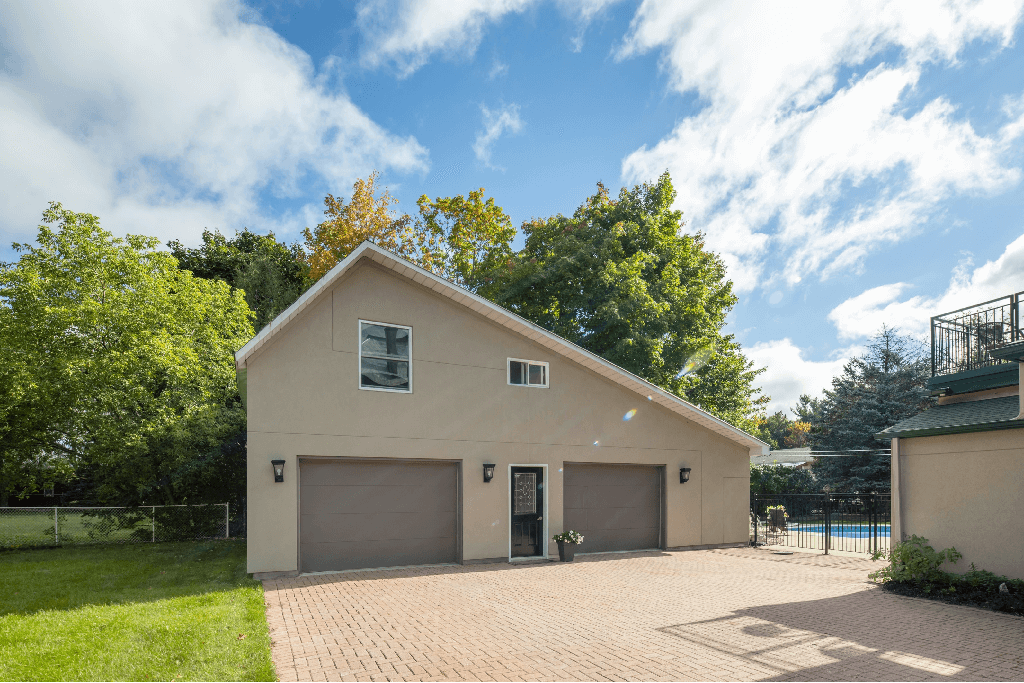
A saltbox roof is built with asymmetrical sides: one long, steep rear slope and a shorter, more traditional slope on the other. The roof ridge is offset, not centered as you’d see in a basic gable roof. This creates that slanted profile that makes saltbox-style homes so easy to spot.
The name comes from the wooden salt containers that people used in the colonial era. These wooden boxes, used to store salt, had a similar slanted lid—flat on one side and pitched sharply on the other. That asymmetrical shape inspired the roof’s name and is still referenced today when talking about saltbox houses.
The design came from England. Architecture like this first appeared in New England in the 17th century, especially in areas like Rhode Island and Massachusetts. Many of these historic saltbox houses were built using wood shakes, timber frames, and metal nails, featuring a central chimney, a brick chimney, and narrow windows. You can still find these saltbox-style homes standing today in England. Saltboxes are easy to spot thanks to their distinctive, sloping silhouette and practical layouts that supported rural existence with more living space on the first floor and creative use of the upper level.
Main Features of a Saltbox Style Roof
Let’s talk about what makes a saltbox roof so recognizable and why its design matters for both appearance and function.
Asymmetrical Slopes
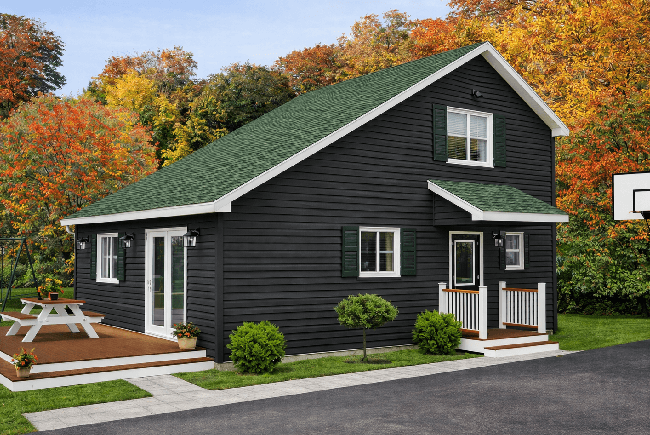
This is the defining feature. A saltbox has two sides, but they’re not equal. One side has a steep pitch that extends much lower, giving the home its signature uneven look. The asymmetrical design sets it apart from the balanced pitch of a gable roof or the curve of a gambrel roof.
That long, sloped rear roofline often reaches down over a one-story section of the home. The other side of the roof stays higher, usually over the two-story front. This design creates a profile that’s both functional and visually interesting.
Steep Rear Pitch
The steep slope at the back, aside from being stylish, is a smart move for heavy snow and strong winds, especially in colder climates. That angle allows snow and rain to slide off quickly without piling up. Even here in Oklahoma, that quick-shedding slope can help protect against roof damage during intense storms.
Extended Roofline
In most saltbox-style houses, the roof continues straight down over the rear section without a break, making it look like the house was stretched back. This smooth roofline creates a seamless look and adds shelter to back rooms, porches, or additions without needing a separate shed roof or add-on.
Offset Ridgeline
Since the slopes are uneven, the roof ridge is pushed toward the shorter side. This can make interior framing more complicated, but it also adds to the roof’s unique shape. From the street, you’ll notice that saltbox homes don’t look like everyone else’s, which makes them a stand-out in any community.
Efficient Drainage
Rain and snow don’t stand a chance on this roof style. The steep angles help water run off fast, keeping roofing materials like asphalt shingles or wood shakes in better shape for longer. Good drainage means less risk of leaks, mold, or rot, especially when paired with high-quality shingles.
Distinctive Profile
Saltbox roofs are easily identified thanks to their slanted silhouette. That sloping roof design, mixed with historic charm, makes them an appealing choice for anyone wanting a standout house style that doesn’t blend in with cookie-cutter neighborhoods.
Benefits of a Saltbox House
This roof isn’t just for show. There’s a long list of reasons people still build and love saltbox houses, especially if they’re trying to strike the right balance between traditional style and smart design.
Excellent Water Drainage
The steep slope means water moves fast. With less standing water on the roof, you’re less likely to deal with leaks, sagging, or rotted decking. This is especially helpful when your roofing materials include something like asphalt shingles, which last longer when kept dry and well-ventilated.
Strong Wind Resistance
Saltbox-style roofs are better at handling wind than many realize. Their asymmetrical shape helps deflect wind upward and away instead of catching it like a flat or low-slope roof might. If your home is in an area prone to tornadoes or straight-line winds (hello, Oklahoma), this roof style can hold up better than you’d expect.
Snow Load Management
In colder states like Massachusetts or Vermont, the saltbox roof helps naturally shed heavy snow. Here in Oklahoma, it’s more about stormwater and hail runoff, but the same idea applies. Snow and rain don’t sit around long enough to cause damage, especially if you’re using popular materials like shingles or metal.
More Living Space or Attic Space
Given the roof’s height and slope, you often gain additional living space, either as a finished attic, a loft, or extra storage space tucked under the longer slope. While you may sacrifice symmetry, you get creative ways to add more space without increasing the home’s footprint.
Energy Efficiency Potential
That sloped design gives you space for thicker insulation and controlled airflow—if done right. With proper attic venting and sealed roofing materials, saltbox-style homes can regulate temperature better and reduce energy loss. The extra attic space can also help buffer heat during the summer and retain warmth during the winter.
Distinctive Architectural Style
From colonial times to now, saltbox homes have stayed popular because they’re full of character. If you’re looking to avoid the generic feel of mass-produced homes, this style offers personality, history, and charm all in one frame. That unique appearance is especially attractive to buyers who appreciate the story behind the house.
Drawbacks of Saltbox Style Houses
No roof design is perfect, and while saltbox roofs come with solid advantages, they do have some quirks that you’ll want to think through.
Design and Layout Limitations
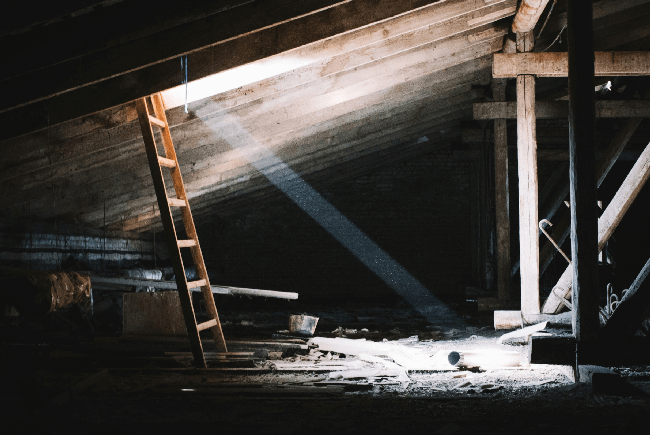
That asymmetrical roof creates angled ceilings inside, especially in the upper level or back rooms. While some people love the cozy feel, others find it restrictive. You may have to get creative with furniture placement or settle for lower ceiling heights in certain areas.
Higher Construction Complexity
The shape might look simple from the outside, but building one is a little more involved than framing a regular gable roof. That longer slope, uneven roof ridge, and integrated structure take extra time and experience to get right, so make sure your roofer knows what they’re doing.
Increased Building Costs
More materials, more labor, and more time all mean higher upfront costs. You’ll need more shingles, more framing material, and often more custom work than you would with a flat or standard roof type. If you’re on a tight budget, a saltbox style might push the limits.
Limited Upper-Level Space
While there’s potential for attic or loft areas, the sloped ceiling can limit how much of the upper level is actually usable. If you’re hoping for full-height walls throughout, you’ll lose some space to the angles.
Challenging Interior Renovations
Expanding or changing a saltbox home can get tricky. Installing skylights, windows, or reworking the upstairs living space may require custom solutions. Even adding ductwork or lighting takes more planning because of the sloped ceiling.
Maintenance and Repair Difficulty
That longer slope means more surface area (and more maintenance). Getting on the roof for cleaning, inspection, or repair is harder than it is for a low-pitch or gable roof. You’ll need proper safety equipment, or better yet, hire a pro when it’s time for a roof replacement or repair.
So, Is the Saltbox Roof Right for Your Home?
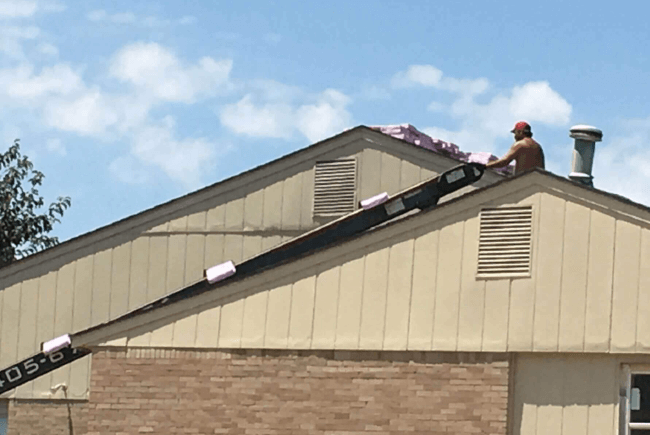
To choose the right roof, you need to think about function, climate, and how you plan to use the space. A saltbox-style roof could be a great choice if you like traditional colonial style, want better drainage, and are okay with a little extra construction planning.
A saltbox might be a good fit if:
You love the look of historic saltbox houses
You want good drainage and weather performance
You’re after a house style with personality
You need a bit more living space or attic space
You appreciate the charm of colonial architecture
It might not be for you if:
You want simple, cost-effective construction
You’re planning major upper-floor renovations soon
You want easy-to-access rooflines with minimal slope
You prefer a symmetrical, modern appearance
Either way, having the right roofing team makes all the difference.
Considering a Roof Replacement or New Roof Installation? Let’s Talk Saltbox Solutions.
Saltbox roofs may have been first constructed in England, but they’ve found a lasting place right here in Oklahoma. If your current roof needs too much upkeep, or you’re building something new and want a roof with style and history, Maupin Roofing is here to help. We offer dependable residential roofing services in OK, and we’ll make sure your next roof replacement or new roof installation fits your home and budget just right.
Give us a call at 405-703-3843 to get started!
Roof Insurance Claims Guide for Norman Property Owners
Dealing with a damaged roof can feel overwhelming, especially when you’re facing a long insurance claim process while rain is still leaking through your ceiling.
New Roof Financing in Yukon: Affordable Plans Explained
For many homeowners in Yukon, Oklahoma, getting a new roof is one of the most important investments they will ever make in their home. Whether
Asphalt Shingle Replacement in Oklahoma City Suburbs
If you live in the Oklahoma City suburbs, you already know your roof does not get a break. Between sudden storms, heavy hail, and long

Wind-Resistant Roofing Options for Edmond Homes
If you’ve lived in Oklahoma for any length of time, you know the wind here doesn’t mess around. For homeowners in Edmond specifically, the question
Roof Repair: Hail Damage in Oklahoma City
Hail storms can be devastating, and hail can cause substantial damage to homes, vehicles, and businesses, leading to costly repairs. This article focuses on roof
Sawtooth Roofs: A Modern Look for Contemporary Homes
Lorem ipsum dolor sit amet, consectetur adipiscing elit. Ut elit tellus, lu Walk past a century-old textile factory in New England, and you will likely