Lorem ipsum dolor sit amet, consectetur adipiscing elit. Ut elit tellus, lu
Walk past a century-old textile factory in New England, and you will likely spot it right away. That distinctive zigzag roofline cuts against the sky like the teeth of a saw. That is a sawtooth roof, one of the most ingenious designs to emerge from the Industrial Revolution. Today, this same architectural form is reshaping residential spaces across Oklahoma, bringing museum-quality natural light into living rooms and improving energy efficiency.
At Maupin Roofing, we have watched the sawtooth design transition from industrial and manufacturing buildings into modern residential projects. The results are dramatic. This roof style blends form, performance, and longevity in a way few other roof types can.
What Is a Sawtooth Roof?
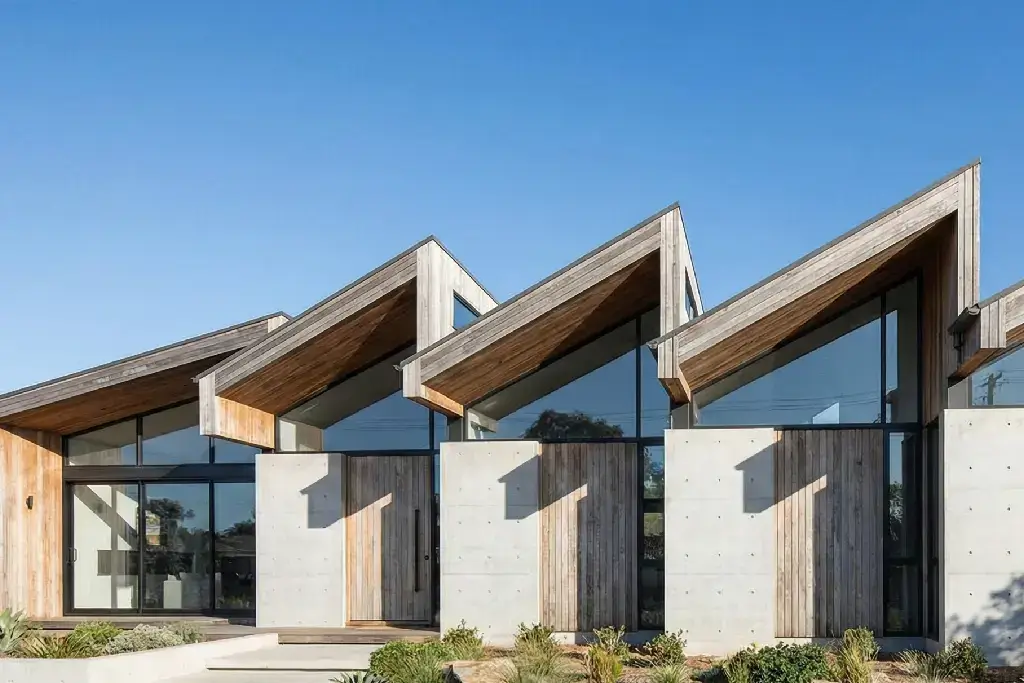
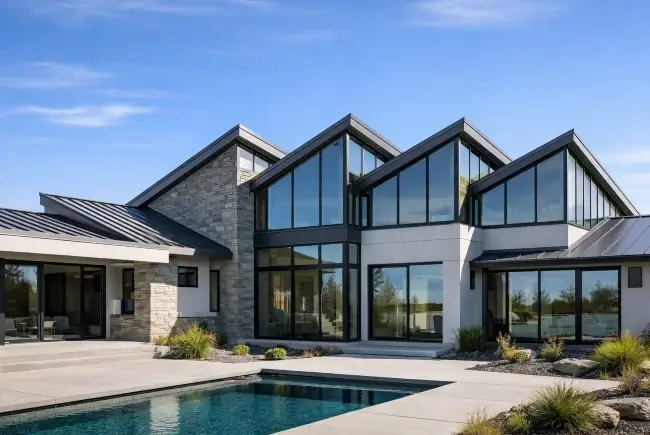
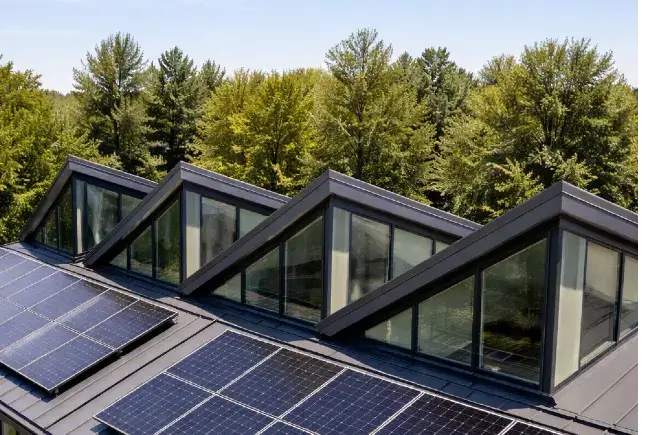
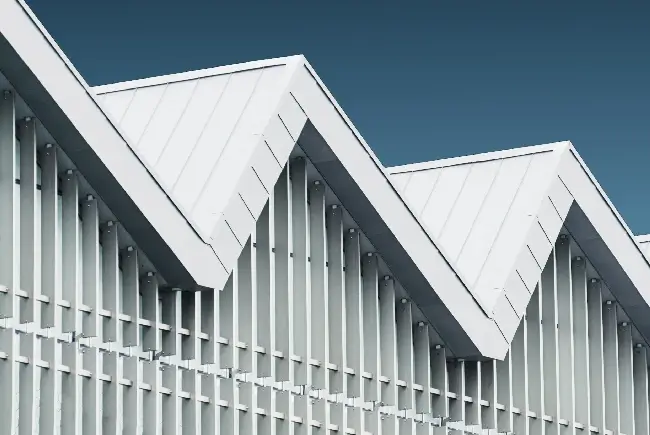
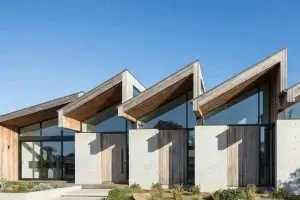
A sawtooth roof consists of repeating dual pitches arranged in a rhythmic pattern along the roofline. Picture a series of angular shapes placed side by side, each forming a sharp change in slope that defines the sawtooth form.
ctus nec ullamcorper mattis, pulvinar dapibus leo.

How the saw tooth roof works
Each tooth includes two distinct surfaces. One side features a gentler slope, often covered in traditional roofing materials or solar panels. The other side forms a near-vertical face, typically filled with glass panels or windows. These alternating angles are not decorative. They are intentional and functional.
The steeper surfaces shed water and snow efficiently, while the vertical faces control how light enters the building. Together, these elements create a roof that actively manages sunlight, heat, and ventilation.
The Industrial History Behind Sawtooth Design
The history of sawtooth roofs begins in the 1800s, when factories and manufacturing buildings faced a major challenge. Large interior spaces needed consistent light, but artificial lighting was limited, expensive, and unreliable.
Designed for factories and industrial buildings
Engineers developed sawtooth roofs to solve this problem. By orienting glass surfaces toward the north, industrial buildings could flood their interiors with soft daylight without the heat and glare caused by direct sunlight. This approach transformed factory working conditions and improved productivity.
Over time, sawtooth roofs became common in commercial, warehouse, and manufacturing buildings where daylighting, ventilation, and energy savings mattered.
How Sawtooth Roofs Use Natural Light
Natural light is one of the biggest advantages of a sawtooth roof.

Light without the heat
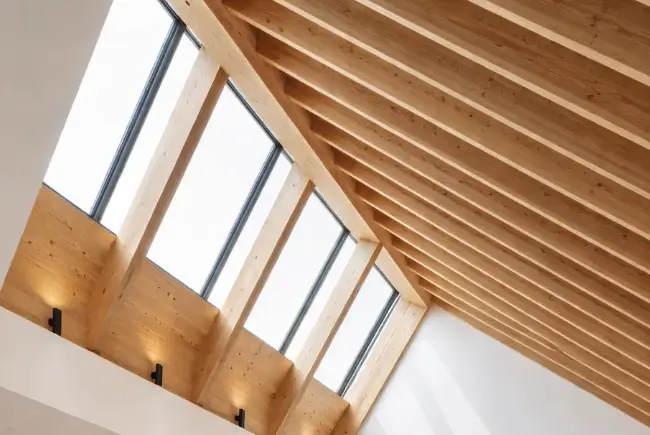
Unlike skylights or large south-facing windows, sawtooth roofs bring sunlight into the building from above in a controlled way. Glass panels are typically placed on one side of each tooth and oriented north, limiting direct sun exposure while still allowing interiors to feel bright and open.
This approach reduces dependence on artificial lighting, improves the quality of light inside the building, and keeps interior temperatures more stable throughout the day.
Energy Efficiency Built Into the Roof Form
Sawtooth roofs contribute to energy efficiency in multiple ways.

Passive and active energy benefits
Reduced heat gain due to limited direct sun exposure
Improved ventilation created by varying roof heights
Ideal slope angles for installing solar panels
These features work together to create measurable energy savings over time. In Oklahoma, where heat management is essential, this roof form can significantly reduce cooling demands and support long-term performance.
From Manufacturing Buildings to Residential Architecture
For decades, the sawtooth design was limited to industrial and commercial roofing use. Today, architects are adapting the design for residential architecture in creative and practical ways.
Why sawtooth roofs work for homes
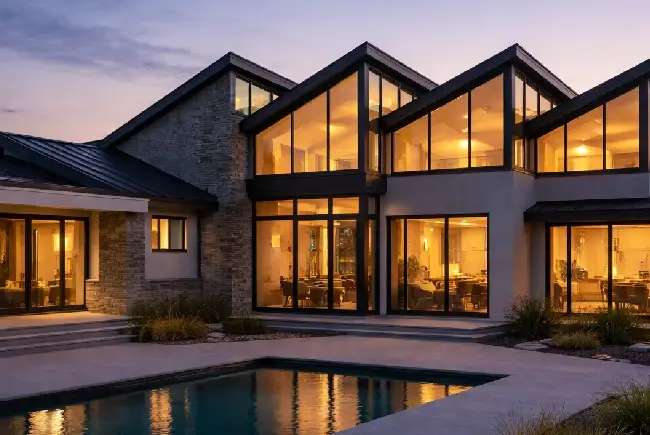
In a residential setting, sawtooth roofs bring daylight into the middle of the house, brighten interior walls, and create a stronger connection between interior life and exterior form. They are especially effective in open floor plans where traditional windows cannot reach every space.
A museum is a classic example of how sawtooth design uses controlled daylight to enhance interiors, and many modern homes now apply that same principle at a smaller scale.
Architectural Impact on Facades and Exterior Design
Beyond performance, sawtooth roofs make a visual statement.
A roof that shapes the building
The repeating angles and shapes influence facades and the overall exterior appearance of the building. Rather than acting as a simple cover, the roof becomes a defining element of the architecture.
This design approach creates a strong sense of identity and gives contemporary homes a bold, intentional presence that stands apart from flat roofs or conventional gable styles.
Construction Considerations for Sawtooth Roofs
Sawtooth roof construction requires more planning than traditional roof designs.
What builders and architects must consider
Site orientation and sun path
Structural framing, often including steel or engineered materials
High-quality glass and proper insulation
Snow, wind, and water management
The gaps and angles between each tooth must be carefully sealed and flashed. Attention to detail is essential to protect the building and support long-term longevity.
Ventilation, Mechanical Systems, and Interior Comfort
The structure of a sawtooth roof naturally supports airflow.

Functional benefits inside the building
The varying heights between roof sections allow warm air to rise and escape, improving ventilation and reducing reliance on mechanical systems. These interior spaces also provide easier access for ductwork, electrical lines, and future upgrades.
This design supports comfortable interiors while helping regulate heat across the building.
Sawtooth Roofs vs Flat Roofs
Flat roofs are common in commercial construction, but sawtooth roofs offer clear advantages for certain projects.
Key differences
Flat roofs rely heavily on artificial lighting and can trap heat. Sawtooth roofs introduce natural light, improve airflow, and offer steeper surfaces for solar panels. While flat roofs may cost less upfront, sawtooth roofs often deliver greater energy efficiency and interior comfort over time.
Is a Sawtooth Roof Beneficial for Your Project?
A sawtooth roof is not the right choice for every building.
When it makes sense
This design works best when:
Structural changes are feasible
The site has good solar orientation rather than limited access
Natural light and energy performance are priorities
The upfront investment is higher than for some roof styles, but many homeowners find the long-term benefits justify the cost.
Why Work With Maupin Roofing

Sawtooth roofs demand precision, experience, and quality craftsmanship.
At Maupin Roofing, we take a page from our real-world experience, helping homeowners and builders determine whether a sawtooth roof design fits their site, their house, and their long-term goals. We collaborate closely with architects and contractors to manage materials, construction details, and proper installation.
If you are exploring this roof style, our team can provide honest guidance and practical insight based on Oklahoma conditions.
Contact Maupin Roofing to discuss your project, review examples, and explore whether a sawtooth roof can deliver the performance, light, and architectural impact you are looking for.

Roof Repair: Hail Damage in Oklahoma City
Hail storms can be devastating, and hail can cause substantial damage to homes, vehicles, and businesses, leading to costly repairs. This article focuses on roof
Sawtooth Roofs: A Modern Look for Contemporary Homes
Lorem ipsum dolor sit amet, consectetur adipiscing elit. Ut elit tellus, lu Walk past a century-old textile factory in New England, and you will likely

Dormer Roofs: Adding Space and Character to Your Home
A dormer roof is a roofed structure that projects vertically beyond the plane of a pitched roof, creating extra headroom and usable floor space within

What Is a Saltbox Roof? | Design Features, Benefits, and Drawbacks
Saltbox roofs aren’t the flashiest trend on the block, but they’ve quietly stood the test of time. Originating in England and brought to the US

Mansard Roofs: Elegant Architecture for Modern and Historic Homes
There’s beauty in function, and mansard roofs’ elegant architecture for modern and historic homes proves it. Designed to maximize attic space and make your home

Asphalt Shingles for Residential Roofs: Why They’re Ideal
There’s no shortage of stylish roofing materials out there, but not all of them are built for wind, rain, or heat. Asphalt shingles for residential