
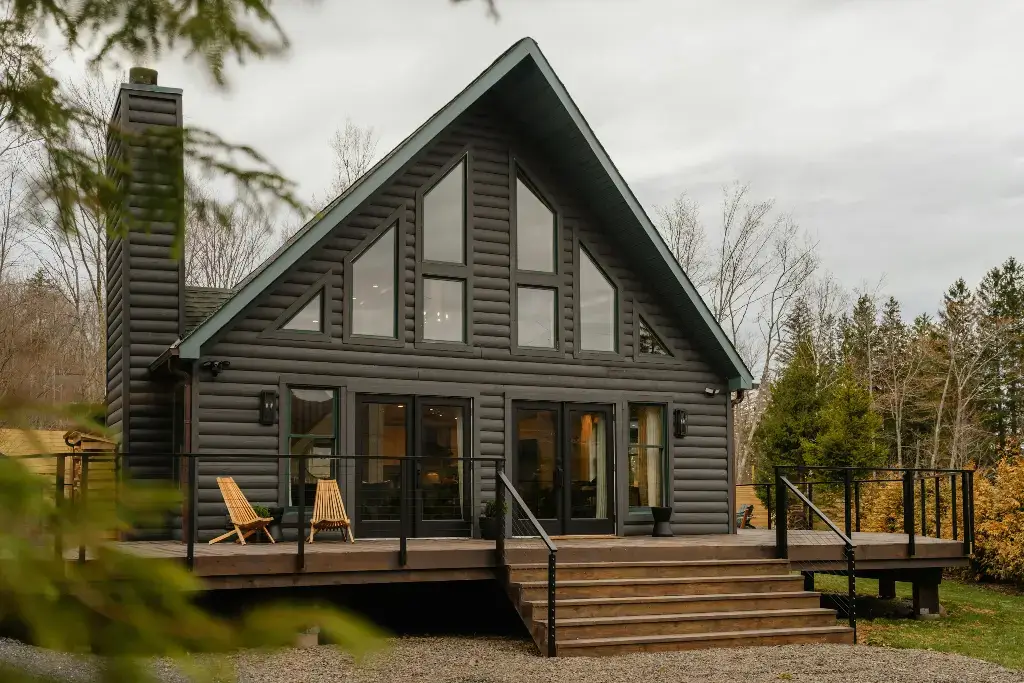
More OKC homeowners than ever are rethinking their environmental impact, starting with sustainable home exterior materials. With these materials, homeowners can boost curb appeal while going greener. This article highlights top eco-friendly options and expert insights from Maupin Roofing on upgrading your exterior walls responsibly.
1. Fiber Cement Siding Materials
Fiber cement siding is one of the most popular sustainable siding options. It’s made from a mix of cellulose fiber, sand, water, and cement, which gives it the strength to hold up in Oklahoma’s unpredictable conditions.
Some of its advantages are:
It resists fire, termites, and rot.
It doesn’t warp or melt under extreme temperatures.
It looks like natural wood siding but requires way less maintenance.
Cement siding products come in tons of styles and colors. So if you want lap siding, board and batten, or something more modern, there’s a desired aesthetic that fits. And with minimal maintenance needs and a lifespan of 30 to 50 years, it’s a smart long-term investment.
2. Eco-Friendly Siding Materials
There are more eco-friendly siding options out there than ever before. These materials are designed to reduce your home’s environmental footprint while still delivering solid protection.
Some top choices include:
Engineered wood made from wood pulp and resins
Insulated vinyl siding that boosts energy efficiency
Recycled plastic or composite blends
Sustainable cladding systems that allow for airflow and drainage
The main idea here is to look for building materials that last long, come from natural materials or recycled content, and perform well in your region. For Oklahoma homes, focus on durable green siding that’s resistant to sun and wind and offers enhanced protection without constant upkeep.
3. Reclaimed or Salvaged Wood Exterior Siding
If you love the look of real wood but want something a little more eco-conscious, reclaimed wood is worth considering. It’s exactly what it sounds like: natural wood that’s been salvaged from old barns, buildings, or previous projects, then cleaned up and reused as house siding.
Why people love it:
It has built-in character and a weathered look you can’t fake.
It avoids the environmental impact of building projects that require logging.
It supports forestry initiatives by reusing what already exists.
That said, reclaimed wood can take a little more effort. It needs to be checked for pests, treated for durability, and installed by someone who knows what they’re doing. But with professional installation, it can be one of the most beautiful and environmentally friendly choices out there.
4. Sustainable Siding (Engineered Wood)
Engineered wood is a fantastic balance between looks, performance, and sustainability. It’s made using wood pulp or strands combined with resins, then pressed into boards that mimic the look of natural wood siding.
What makes this a sustainable siding winner:
Uses fewer raw materials than solid wood siding
Often made with recycled content
Treated for resistance to moisture, insects, and UV rays
Comes pre-primed and ready to paint or stain
It checks all the boxes for homeowners who want the charm of wood without the higher maintenance. Just make sure it’s installed properly and kept sealed with a good finish coat to get the best performance.
5. Recycled Metal Siding (Steel or Aluminum)
If you’re looking for siding that’s tough as nails and built to last, metal siding (especially steel siding or aluminum siding) deserves your attention. It’s long-lasting, fire-resistant, and can be made with high percentages of recycled content.
Most metal siding works well in Oklahoma because:
It handles hail and high winds better than many other materials
It doesn’t rot, warp, or get eaten by termites
It reflects heat to keep your home’s exterior cooler
It can be fully recycled when it’s time for a change
Metal siding comes in sleek panels, vertical grooves, or even designs that mimic wood siding or stone veneers. Additionally, it can be sharp, modern, or rustic depending on the style. And with little maintenance, it holds up better than a lot of other siding materials.
6. Stucco Siding (Lime- or Cement-Based)
Stucco siding might not be the first thing that comes to mind for Oklahoma homes, but done right, it’s an incredibly durable green siding choice. Traditional cement stucco is a mix of sand, water, and cement, applied in layers. There’s also lime-based stucco, which is more breathable and made from natural materials.
The benefits:
Excellent fire resistance
Solid protection against wind and weather
Can be textured or colored to fit your home’s exterior
Works well with energy-efficient wall assemblies
The trick with stucco is making sure it’s installed properly. You’ll need a drainage layer (often tar paper), good flashing, and the right finish coat. With that in place, stucco siding can last 50 years or more with minimal maintenance.
7. Natural Brick or Stone Siding
Few siding materials scream “solid investment” like brick and stone siding. These materials have been used for centuries because they’re tough, classic, and look great for decades.
Here’s why homeowners in OKC go for them:
Resistant to sun exposure, hail, and fire
Adds thermal mass that helps regulate indoor temps
Offers incredible curb appeal and resale value
You can go full-thickness with brick siding, or opt for brick veneer or stone veneers to get the look without the weight. And with help from a professional mason, the install can be clean and long-lasting. Plus, many of today’s brick veneers and natural stone panels are lighter and easier to install.
8. Naturally Fire-Resistant Cork Siding
Now here’s one you don’t hear every day—cork siding. It’s a bit outside the norm, but it’s catching attention as a truly eco-friendly siding option.
Why cork makes the list:
It’s a natural material harvested from cork oak trees (no tree cutting involved).
Naturally pest-resistant and fire-resistant (ideal for those prone to house fires).
Provides built-in thermal and sound insulation.
Comes in sleek, modern panels or more rustic styles.
While cork isn’t yet widely used in Oklahoma, it’s definitely something to watch if you’re into unique, sustainable finishes that also offer energy efficiency. Just make sure your installer has experience working with it.
9. Terracotta or Ceramic Panels
If you’re leaning modern, terracotta or ceramic cladding panels are another sustainable siding material with staying power. These panels are typically installed as part of a rain screen system, which allows airflow behind the exterior siding and helps keep moisture in check.
Benefits include:
Fade-resistant finishes
Long lifespan with little maintenance
Recyclable materials
Stylish options for highly durable wall systems
They’re a bit more common in commercial builds, but residential designs are catching on, especially for contemporary homes. And with Oklahoma’s mix of extreme temperatures, this kind of breathable siding can be a smart move.
10. Recycled-Shingle Roofing (Rubber/Composite)
We can’t talk about home exteriors without mentioning roofing. One overlooked but solid, sustainable option is recycled shingle roofing, made from old rubber tires or composite blends.
These materials offer:
Impressive impact resistance (great for hail country like OKC)
Long lifespan with minimal maintenance
Use of recycled materials that keep waste out of landfills
They’re also made to mimic slate, wood shakes, or architectural shingles, so you’re not sacrificing looks. If you’re already updating your house siding, consider topping it off with a roof that pulls double duty by looking good and being good for the planet.
11. Green Roofs
This option isn’t for every home, but green roofs (also called vegetated roofs) are gaining popularity, even in areas like Oklahoma. The concept is simple: you build a flat or low-slope roof with waterproofing, drainage, soil, and plants.
The benefits:
Adds insulation and improves energy efficiency
Reduces runoff during storms
Lowers the temperature of your home exterior
Looks great and supports pollinators
If you’re building new or doing a major remodel, a green roof could be the cherry on top of your eco-friendly home. Just know it requires structural planning, especially to hold the extra weight.
12. Brick Siding
If you want the look of brick siding but need to keep weight and costs down, brick veneer is a solid middle ground. It gives your home exterior that timeless, durable look without the full-thickness structure of traditional masonry.
Good reasons to consider it:
Works with wood frames and most siding materials
Costs less than full brick and stone
Installs faster and still delivers major curb appeal
And because it’s lighter, it can be used more flexibly around windows, trim, and in mixed-material applications with fiber cement or wood siding.
13. Eco-Friendly Treated Vinyl Siding Alternatives
We all know vinyl siding is affordable and easy to install, but it’s not always the greenest pick since it’s made from polyvinyl chloride. However, newer versions like insulated vinyl or high-performance blends are moving in a better direction.
What’s improved:
Many include recycled content
Insulated vinyl siding improves energy efficiency
Coatings last longer and resist fading
Stronger locking systems reduce warping in heat
If the budget is tight but you still want a better long-term siding solution, look into premium vinyl siding products labeled as eco-friendly siding materials.
14. Stucco (Lime-Based) Sustainable Exterior Finishes
Let’s circle back to stucco—specifically lime-based stucco, which deserves its own spotlight. Unlike cement-heavy mixes, lime stucco is more breathable and even absorbs some CO₂ during curing.
Why it’s a smart, sustainable exterior finish:
Fewer emissions during production compared to cement
Flexible and less prone to cracking over time
Compatible with historic homes and modern builds
Works well on curved walls, trim, and mixed siding areas
For homeowners wanting both performance and environmental benefit, lime stucco delivers. And with the right professional installation, it can outlast plenty of other finishes.
Additional Considerations for OKC Homeowners

Beyond selecting materials, there are several decisions and factors that will determine whether your exterior truly performs sustainably over time.
Climate‑Specific Performance
In Oklahoma City, we face high UV exposure, hail, wind (including tornado risk), thermal expansion/contraction, summer heat, and winter cold. These tips can help you with selection:
Choose materials rated for hail and impact resistance (consult product rating or manufacturer data).
Select finishes/coatings that resist UV degradation and fading.
Ensure wall assemblies integrate water‑management (flashing, drainage plane, rainscreen where needed) so that siding or cladding doesn’t trap moisture.
Combine exterior finish with good insulation and attic/roof ventilation; sustainable exterior material is part of the whole envelope performance.
Lifecycle Thinking
Rather than simply choosing based on the lowest upfront cost, think about:
How long will this exterior material last before replacement?
How much maintenance will it need (time, cost, materials) over 10‑20 years?
What happens at the end of life? Can it be recycled, reused, or safely disposed?
What’s the embodied energy of manufacture + transport + installation?
What is the long‑term value (energy savings, durability, fewer repairs)?
Selecting premium materials up front can pay dividends in fewer replacements and lower resource use over 30‑50 years.
Integration with Roofing, Gutters & Windows
Since Maupin Roofing offers roofing, siding, windows, gutters, and more, we recommend integrative planning:
Match siding/cladding with roofing materials to ensure the entire exterior envelope works together (flashing, eaves, transitions).
Choose gutters and downspouts sized for your region’s rainfall; sustainable exterior materials don’t mean much if uncontrolled roof runoff undermines them.
Consider window performance (low‑E glass, well‑sealed frames) in tandem with exterior finish; sustainable siding is more effective when the wall system is sealed and insulated.
Local Materials and Contractor Expertise
Whenever possible, sourcing materials locally reduces transport emissions and supports the local economy. Work with experienced, licensed, and insured contractors like Maupin Roofing who understand regional conditions—how materials perform in OKC, how to detail for wind/hail, how to install rainscreens and flashing properly.
Budget vs. Value
It’s natural to weigh cost, but spend with the long view. A truly sustainable exterior minimizes recurring costs, repair cycles, energy waste, and replacement material. That adds up in value. We encourage homeowners to compare the total cost of ownership rather than just the first cost.
Get a Quote for Your Sustainable Upgrade
If you’re comparing costs or materials, especially options like composite wood or roofing materials, we can give you a clear estimate by the square foot. Our exterior services focus on durable, low-maintenance solutions that fit your budget and require minimal maintenance long-term.
Contact us today to get started!
Mansard Roofs: Elegant Architecture for Modern and Historic Homes
There’s beauty in function, and mansard roofs’ elegant architecture for modern and historic homes proves it. Designed to maximize attic space and make your home
Asphalt Shingles for Residential Roofs: Why They’re Ideal
There’s no shortage of stylish roofing materials out there, but not all of them are built for wind, rain, or heat. Asphalt shingles for residential
How Upgrading Your Gutter System Can Offer Better Roof Protection
You’ve probably thought about roof shingles, flashing, or ventilation when it comes to protecting your home, but what about your gutters? In a local climate
TPO Roofing Energy Efficiency for Your Business
It’s amazing how much a roof upgrade can change the way a building feels inside. TPO roofing energy efficiency is a perfect example of that.
Winter-Proofing Your Home Exterior: 15 Tips for the Season
Most folks remember to grab extra batteries and crank up the heat when winter hits. But winter-proofing your home exterior? That’s the step too many
Synthetic Roofing Materials for Homes: Affordable Versatility That Protects and Performs
Your roof protects your family, defines your home’s character, and directly impacts your energy bills. At Maupin Roofing, we’ve installed hundreds of roofs across Oklahoma,