
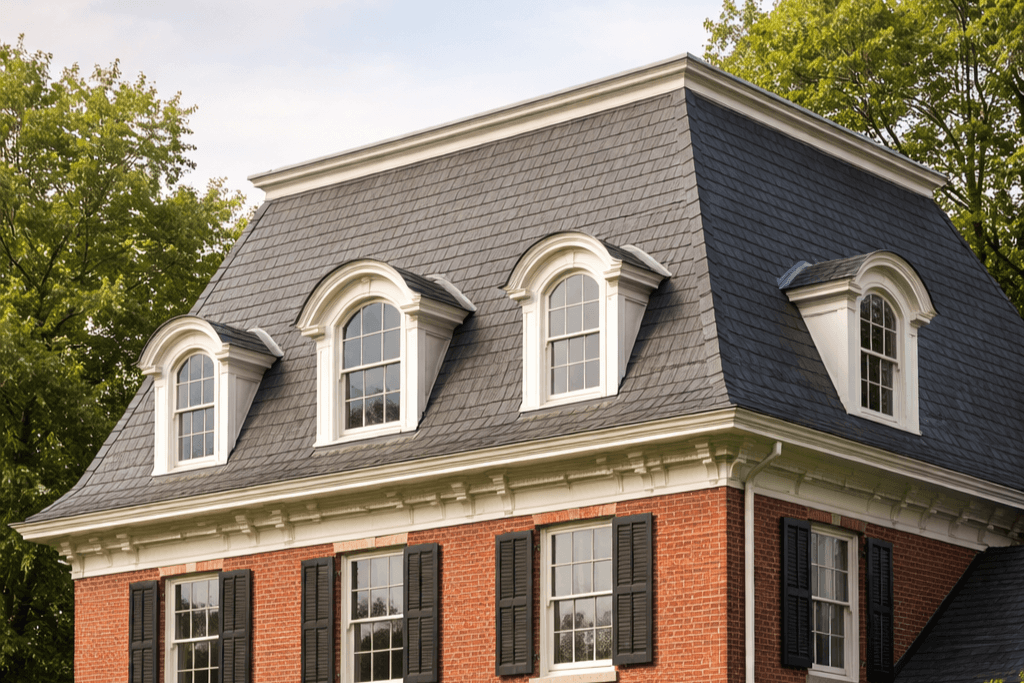
There’s beauty in function, and mansard roofs’ elegant architecture for modern and historic homes proves it. Designed to maximize attic space and make your home look sharper from the street, this roof style continues to stand the test of time.
At Maupin Roofing, we’ve seen how much curb appeal a well-built mansard roof can add, especially when paired with modern performance upgrades and other roofing materials built for Oklahoma weather. If you’re curious about this unique style, let’s walk through everything you need to know about mansard roofs and why they’re worth considering.
What Are the Key Design Features of a Mansard Roof?
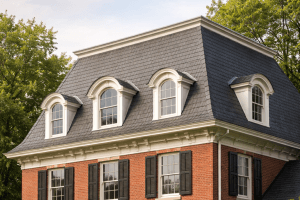
At a glance, a mansard roof looks taller and more layered than traditional roof styles. That’s because it’s built with two slopes on each of the four sides: a steep lower slope and a flat or gently pitched upper slope. This dual slope design is the foundation of its function and its look.
The defining features of the mansard roof style are:
Two slopes per side: The steep lower slope does most of the visual and structural work, often sitting close to vertical. The flat upper slope or low-pitched section finishes the roof off at the top.
Four-sided construction: Unlike a gable roof that only slopes on two sides, a curb roof covers all four exterior walls equally, offering better symmetry and more interior volume.
Dormer windows: These are often built into the lower slope to provide more natural light, ventilation, and a finished appearance. Dormer windows & mansard roofs often go hand in hand, especially when that upper living space is being used as a bedroom or home office.
More usable space: The steep design isn’t just for show. It creates additional usable space under the roof, ideal for extra bedrooms, storage, or even small apartments.
Versatile roofing materials: While traditional mansard roofs used slate tiles or natural slate, today you’ll see everything from asphalt shingles and synthetic shingles to membrane roof systems used, depending on the building and slope of the roof.
Origins of the Mansard Roof
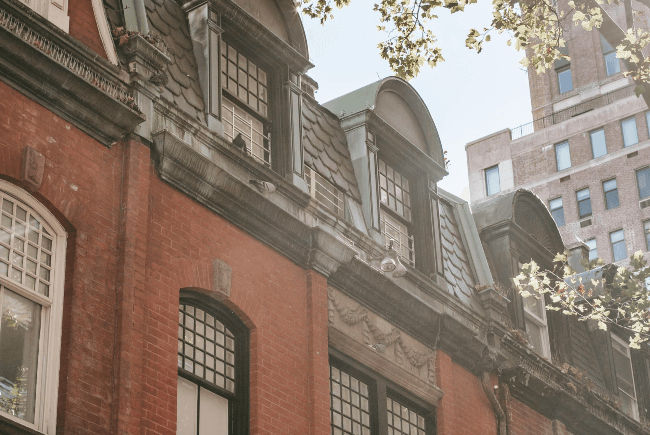
Mansard roofs date back to 16th-century French architecture, but they really gained traction in the 17th century, thanks to architect François Mansart (hence the name). He was known for his detailed, balanced designs, and the mansard roof became his signature. That’s why it’s sometimes also called the French roof.
The style saw a massive resurgence during the Second Empire period in the 19th century, especially in Paris under Napoleon III. Mansard roofs were everywhere during the rebuild of the city’s core, lining boulevards, topping off townhouses, and defining an entire era of Second Empire architecture.
This style crossed the Atlantic not long after. By the late 1800s, it was popping up in American commercial buildings, apartment buildings, and homes designed to reflect European influence. Today, it still brings a touch of old-world elegance to modern and historic homes alike.
Types of Mansard Roofs
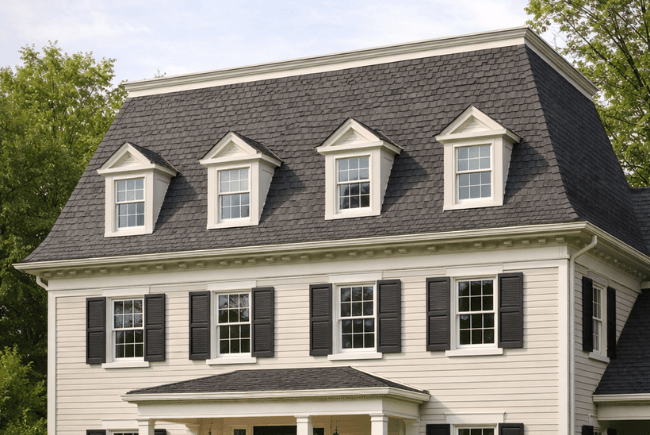
Just like any architectural element, mansard roofs come in a few varieties. The basics are the same: four sides, two slopes per side. But the shape of the lower slope changes the look and feel significantly.
1. Straight Mansard Roof
The straight mansard roof is the most traditional. The steep lower slope drops down at a sharp angle, then the upper slope flattens out at the top. This style offers the most interior space and a bold, angular look. It’s commonly used on formal or symmetrical buildings, where the clean lines really stand out. Think historic townhouses, estate homes, or buildings with classical symmetry.
2. Convex Mansard Roof
A convex mansard roof curves outward slightly on the lower slope, giving it a more rounded, soft-edged silhouette. This roof design is elegant without being rigid, and it works beautifully with homes that lean toward more decorative or ornate architectural styles. This type of mansard roof is a great match for homes where the aesthetic appeal is just as important as the structural benefits.
3. Concave Mansard Roof
With a concave mansard roof, the lower slope curves inward rather than flaring out. This creates a roof that looks taller and narrower, and it can feel a little more dramatic in profile. This type works well on buildings where the goal is to emphasize height or vertical lines. It also helps direct water away from the base of the roof, making it easier to install proper drainage.
4. S-Shaped Mansard Roof
The S-shaped mansard roof is the most complex. It combines both concave and convex styles or inward and outward curves on the lower slope, creating an S-like profile when viewed from the side. It’s a visually rich design, usually found on custom homes or historic restorations. Because of the complex design, this type requires more detailed planning, framing, and roofing materials, but the result is a true architectural statement.
Mansard Roofs vs Other Roof Styles

Choosing the right roof style isn’t just about looks. It affects your interior layout, long-term maintenance, and how well your home handles Oklahoma’s unpredictable weather. Here’s how mansard roofs compare to other popular options:
1. Mansard Roof vs Gable Roof
A gable roof is what many homeowners picture when they think of a roof. Two slopes, a high center ridge, and vertical triangular end walls. Compared to a gable roof, a mansard roof offers more usable attic space, more design options for windows and dormers, and a more refined exterior. A gable roof is simpler and more cost-effective, but a mansard roof brings far more flexibility, especially if you want to use the top floor as true living space.
2. Mansard Roof vs Hip Roof
A hip roof has four sloping sides like a mansard roof, but there’s only one slope per side and no steep lower slope. It’s great for wind resistance but limited in interior space. Mansard roofs add a lot more room to work with under the roof and give you that layered, detailed appearance that a basic hip roof can’t provide.
3. Mansard Roof vs Gambrel Roof
The gambrel roof is a close cousin to the mansard. It also uses a dual slope design, but only on two sides. The other sides are left vertical. Gambrel roofs are often found on barns or colonial-style homes. They create good attic space, but mansard roofs go further by enclosing all four sides, which creates more square footage and a more polished exterior.
Why Should You Get a Mansard Roof?
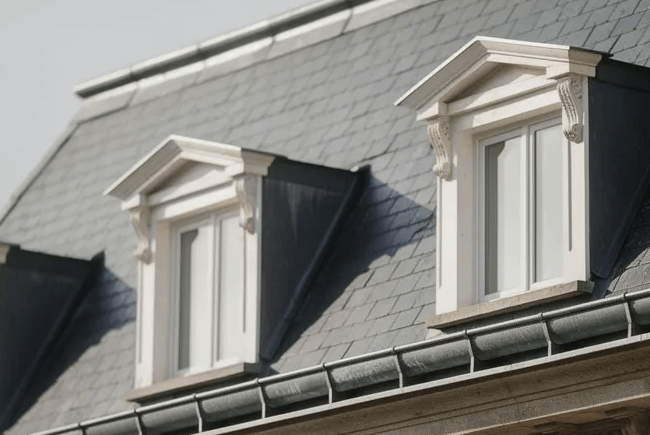
There are plenty of good reasons to choose a mansard roof installation. This roof style brings real, measurable benefits for homeowners who want more space, better airflow, and a standout design.
1. More Attic Space or Living Space
The number one reason people choose a mansard roof is space. With a steep lower slope and a nearly flat upper section, you get what’s basically a full extra floor without adding height to your exterior walls. Whether it’s used for bedrooms, an office, or storage, this additional space opens up your options.
2. Aesthetic Appeal
Mansard roofs offer a timeless, elegant appearance. Their design works with various architectural styles, from modern minimalism to ornate European-inspired builds. If you want a roof that contributes to your home’s personality (not just covers it), this is a strong option.
3. Energy Efficiency
That extra attic space and dormer windows aren’t just good for looks. They allow for better heat distribution, increased ventilation, and more control over your home’s internal climate. With the right insulation and ventilation, mansard roofs can reduce energy waste and improve overall energy efficiency.
4. Increased Property Value
Homes with a mansard roof style often stand out on the market. The increased property value comes not just from square footage, but from the added character, versatility, and usability. A well-designed mansard roof gives you the function of a second story without the price tag of a full addition.
5. Better Heat Distribution
Because the upper living space is more open and regular in shape than a tight gable or hip roof, you can install ductwork and insulation more evenly. This helps avoid hot and cold spots, especially during Oklahoma’s intense summers and freezing winters.
6. Improved Light and Airflow
Add dormer windows, and suddenly that top level feels less like an attic and more like a finished, functional part of the home. Natural airflow and daylight make the space more livable and reduce your dependence on lights and fans.
Structural and Engineering Considerations
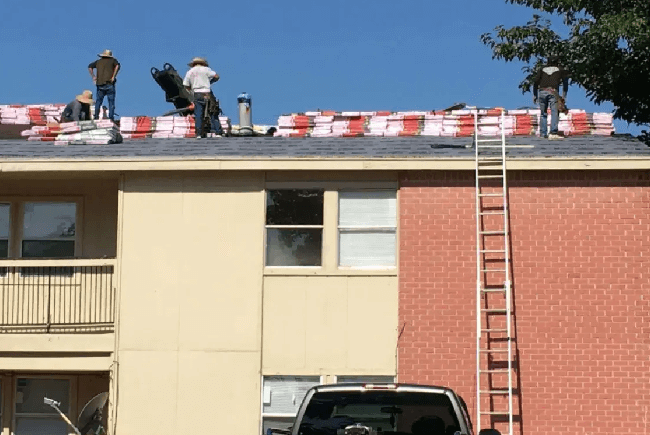
A mansard roof may look simple from the curb, but it requires careful planning behind the scenes. Some things to think about before starting your roofing project:
Framing complexity: The dual-slope design and dormers require more structural support than simpler roof styles.
Roofing materials: The lower slope is highly visible, so it needs materials that look good and hold up well, like asphalt shingles, slate tiles, synthetic shingles, or even membrane roof systems.
Weight and drainage: A mansard roof adds weight to your home’s structure. Make sure your framing, decking, and drainage system can handle the extra load. This is especially important if you’re adding a mansard to an existing structure.
Local codes and regulations: Not every neighborhood allows second empire-style roofs. Be sure your roof design meets building codes and regulations in your area.
Working with experienced local contractors like Maupin Roofing can help avoid surprises. We know how to balance looks, structural integrity, and performance to get the most out of a mansard roof.
Common Problems With Mansard Roofs and How to Prevent Them

Even the best-designed roof needs care. Here are a few common challenges with mansard roofs and what to do about them:
Cracked shingles or roofing materials: The steep lower slope is more exposed to the elements. Use durable materials, and keep an eye out for signs of wear.
Improper drainage: The flat upper slope needs well-placed drains or scuppers to move water off the roof. Without that, you risk leaks and pooling. A quality install solves this from the start.
Ventilation problems: The enclosed attic space can get stuffy. Proper vent placement and air circulation make a big difference.
Complex repairs: With dormers, steep slopes, and multiple materials, repairs can be tricky. Stick with contractors who’ve done mansard roof installation before and can provide professional maintenance over time.
Thinking Mansard? Let’s Make It Work for Your Home
Mansard roofs offer smart solutions for homeowners who want more from their roof by maximizing space, improving their home’s exterior appearance, and more. If you’re ready to combine character with square footage, Maupin Roofing provides expert residential roofing services in OK. We work with French or curb roof styles as well as other roof types, understand how to match them with different architectural styles, and stay up to speed on all relevant building regulations.
Get in touch today!
Mansard Roofs: Elegant Architecture for Modern and Historic Homes
There’s beauty in function, and mansard roofs’ elegant architecture for modern and historic homes proves it. Designed to maximize attic space and make your home
Asphalt Shingles for Residential Roofs: Why They’re Ideal
There’s no shortage of stylish roofing materials out there, but not all of them are built for wind, rain, or heat. Asphalt shingles for residential
How Upgrading Your Gutter System Can Offer Better Roof Protection
You’ve probably thought about roof shingles, flashing, or ventilation when it comes to protecting your home, but what about your gutters? In a local climate
TPO Roofing Energy Efficiency for Your Business
It’s amazing how much a roof upgrade can change the way a building feels inside. TPO roofing energy efficiency is a perfect example of that.
Winter-Proofing Your Home Exterior: 15 Tips for the Season
Most folks remember to grab extra batteries and crank up the heat when winter hits. But winter-proofing your home exterior? That’s the step too many
Synthetic Roofing Materials for Homes: Affordable Versatility That Protects and Performs
Your roof protects your family, defines your home’s character, and directly impacts your energy bills. At Maupin Roofing, we’ve installed hundreds of roofs across Oklahoma,