
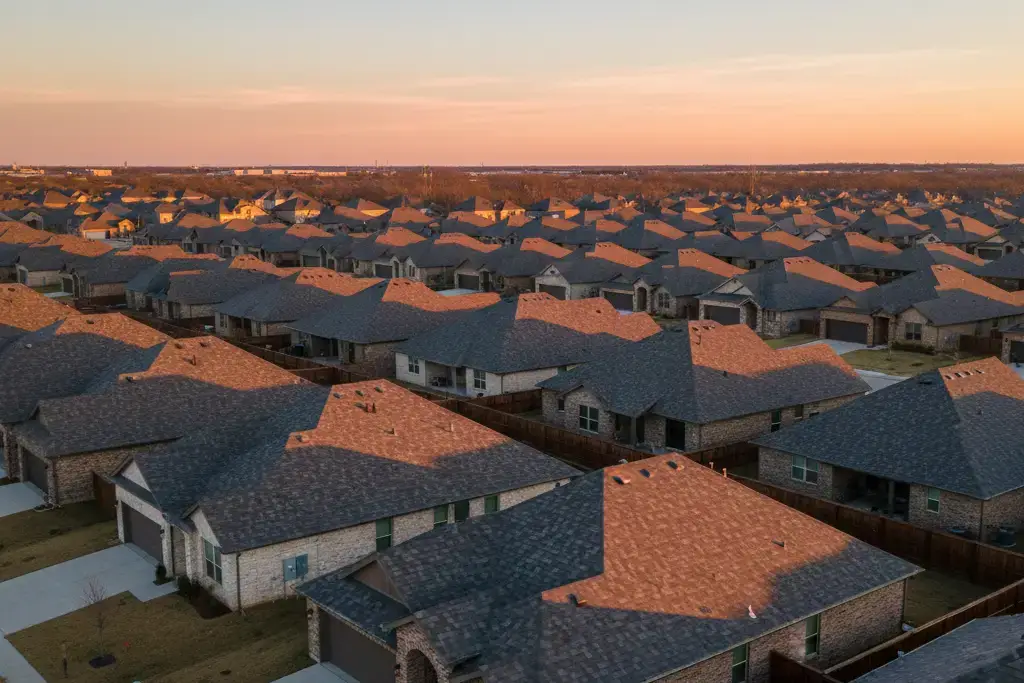
Your roof protects your family, defines your home’s character, and directly impacts your energy bills.
At Maupin Roofing, we’ve installed hundreds of roofs across Oklahoma, and we’ve watched synthetic roofing materials transform how homeowners approach this critical investment. These engineered products deliver the beauty of premium materials like slate and cedar shakes without the weight, maintenance headaches, or premium price tag.
What Are Synthetic Roofing Materials?

Synthetic roofing refers to engineered products made from rubber, plastic, polymer blends, and recycled materials. Unlike natural slate or wood shakes that come from quarries or forests, synthetic materials are manufactured using advanced molding processes that replicate authentic textures, colors, and dimensional depth.
How Synthetic Roofing Mimics Natural Materials
Modern synthetic roofing products convincingly mimic slate roof profiles, cedar shakes, wood shakes, and even clay tiles. The technology has advanced so dramatically that most homeowners cannot distinguish quality synthetic materials from their natural counterparts from ground level.
The roofing industry has embraced these innovations because they solve real problems:
Natural slate requires expensive structural support.
Wood shakes demand constant maintenance in humid climates.
Clay tiles crack easily under impact or heavy rain.
Why Synthetic Roofing Is Gaining Popularity
Synthetic roofs eliminate these drawbacks while preserving aesthetic appeal. A synthetic slate roof weighs just 350 to 450 pounds per square foot compared to natural slate’s 1,500 pounds. It installs faster, costs less per square foot, and often outlasts the material it replicates.
Why Oklahoma Homeowners Choose Synthetic Roofing
Oklahoma’s weather punishes roofs relentlessly. Scorching heat, violent hailstorms, high winds exceeding 70 mph, and dramatic temperature swings create harsh weather conditions that test every roofing material.
Built to Handle Extreme Weather
Synthetic roofing materials excel in extreme weather because they’re explicitly engineered for durability. Class 4 impact-rated synthetic shingles resist hail damage that would shatter concrete tiles or crack asphalt shingles.
This protection translates into insurance discounts, with many carriers offering 20% to 35% reductions in premiums.
Better Energy Efficiency and Performance
Energy-efficient synthetic roofs incorporate reflective pigments that reduce cooling costs by 15% to 25% compared to dark asphalt shingles. The lighter weight means less stress during high winds, while flexible polymer construction absorbs impact without cracking.
Synthetic materials also resist water absorption, preventing freeze-thaw damage and eliminating rot in humid climates.
Long-Term Value for Homeowners
Quality synthetic roofing products include UV inhibitors that prevent fading over time. While the higher upfront cost may give budget-conscious homeowners pause, the long-term durability and minimal upkeep create exceptional longevity and excellent return on investment.
Synthetic Slate: Premium Appearance Without Premium Problems
The Look of Natural Slate Without the Weight
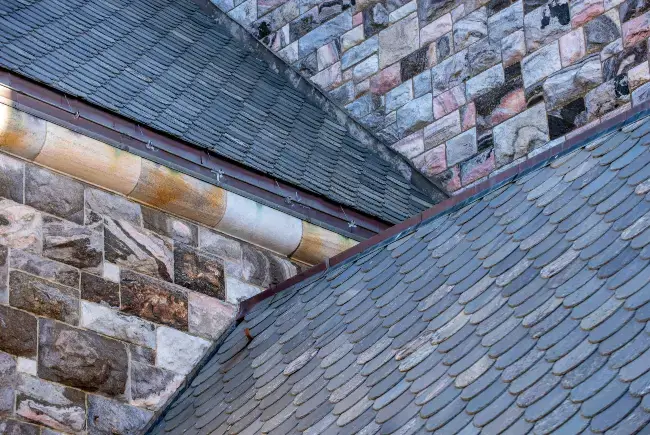
Natural slate roofs represent the pinnacle of traditional roofing materials. Their prestige and lifespan are unmatched, but their weight (1,500 pounds per square) and cost ($15–$30 per square foot) make them impractical for most homeowners.
Synthetic slate offers the same elegant look at one-third the weight and half the price. Products from DaVinci Roofscapes feature realistic texture, irregular edges, and color variation that perfectly mimic quarried stone.
Easier Installation and Fewer Structural Concerns
The lighter weight provides immediate benefits. Most homes need costly structural support upgrades before installing natural slate. Synthetic slate, on the other hand, can be installed on existing structures without reinforcement, dramatically reducing installation costs.
Longevity and Low Maintenance
Manufacturers typically warrant synthetic slate roofing for 50 years, and proper care can extend its lifespan even further. The material withstands impacts that would shatter real stone and only needs occasional cleaning to maintain the roof’s appearance.
Synthetic Wood Shingles: Rustic Charm Without the Rot
Timeless Beauty with Modern Durability
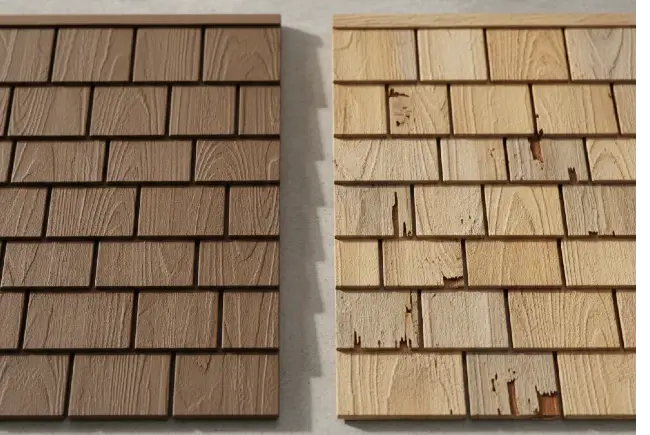
Wood shakes and cedar shakes bring rustic charm and natural warmth but require constant upkeep. Synthetic wood shingles replicate that same visual appeal while eliminating fire risk, pests, and rot.
Built to Last and Fire Resistant
Made from recycled materials, these shingles earn Class A fire ratings compared to Class C for real wood. They won’t split, warp, or decay, and insects ignore them entirely.
Installation costs stay low because synthetic shingles are lightweight and easy to cut, speeding up the process while reducing labor time.
Environmentally Friendly Choice
The environmental benefits appeal to eco-conscious homeowners. Many synthetic wood products use 50% to 80% recycled materials, diverting plastic waste from landfills. Their longer lifespan and reduced need for replacements make them a sustainable option that maintains color and texture for decades.
Cost Analysis: Understanding True Value
Comparing Roofing Material Costs
Synthetic roofing materials typically range from $4 to $12 per square foot, positioned between asphalt shingles ($1–$3) and natural slate ($15–$30). Metal roofing falls between $7 and $15.
Labor and Installation Savings
Because synthetic materials weigh less and install more easily than clay tiles or slate, installation costs often run 20% to 40% lower. Labor averages $3 to $8 per square foot, depending on roof complexity.
Long-Term Cost Effectiveness
The real advantage appears in maintenance costs.
Asphalt shingles need to be replaced every 15–20 years.
Wood shakes require frequent treatments and repairs.
Synthetic roofs require minimal maintenance and have a long lifespan, exceeding 50 years.
Energy-efficient roofing can save $200–$600 annually on cooling costs. Over decades, those savings add up, especially when combined with insurance discounts for impact resistance.
When you account for long-term costs, synthetic roofing often proves more cost-effective than cheaper options while enhancing curb appeal and resale value.
Installation and Maintenance Essentials
Professional Installation is Key
Proper installation determines long-term success. At Maupin Roofing, our crews follow manufacturer specifications precisely to ensure every roof is installed correctly and performs as designed.
Before installation, a professional roofing contractor should evaluate your deck, underlayment, and ventilation. Proper installation and skilled installation techniques guarantee weatherproof performance and validated warranties.
Maintenance Made Easy
Synthetic roofs require little attention to stay beautiful.
Clean every 2–3 years with a soft brush or low-pressure hose.
Avoid washers over 1,500 PSI.
Install zinc or copper strips in areas prone to moss and algae.
Keep gutters clear and schedule inspections every few years. This approach ensures exceptional longevity and reliable protection through Oklahoma’s harsh weather conditions.
Comparing Synthetic vs Traditional Options
Side-by-Side Comparison
Asphalt shingles: Affordable but short-lived and less energy efficient.
Metal roofs: Extremely durable but more expensive, with limited design variety.
Natural slate: Stunning but heavy and costly.
Clay tiles: Beautiful for Spanish-style homes but prone to cracking.
Wood shakes: Attractive but high maintenance and vulnerable to moisture.
The Perfect Blend of Performance and Style
Synthetic materials offer the perfect blend of durability, affordability, and visual appeal. They allow homeowners to enjoy the look of premium materials with low maintenance and long-term durability, all while performing better in extreme weather.
For many homeowners, synthetic roofing is the right roofing material because it balances longevity, weather resistance, and value.
Environmental Benefits

Eco-Friendly and Energy Efficient
Eco-conscious and eco-friendly homeowners love synthetic roofs for their low environmental impact. Many options contain up to 80% recycled materials, reducing waste and conserving natural resources.
Sustainability That Lasts
A synthetic roof lasting 50+ years prevents two or three replacements of traditional roofing materials, significantly reducing landfill waste. The energy efficiency of synthetic roofs lowers your carbon footprint and keeps homes cooler through proper installation and reflective design.
Unlike natural materials, synthetic shingles need no toxic treatments, offering safe, sustainable performance.
Is Synthetic Roofing Right for You?
Synthetic roofing materials for homes offer affordable versatility, making sense if you want a durable, energy-efficient, and stylish roof.
Before committing, make an informed decision by:
Scheduling a professional inspection.
Comparing roofing materials and warranties.
Reviewing long-term costs and maintenance costs.
Considering your home’s style and areas prone to heavy rain or hail.
This helps homeowners confidently choose the right roofing material.
Why Choose Maupin Roofing
Experience matters. As one of the leading roofing companies in OKC, Maupin Roofing’s trained crews handle everything, from inspection to cleanup, all with professional care.
We specialize in synthetic roofs, maintain partnerships with top brands, and prioritize proper installation every time. Our local knowledge of Oklahoma’s harsh weather conditions means your investment stays protected through every storm.
Take the Next Step

Your home deserves protection that performs reliably while enhancing its roof’s appearance and value. With the added benefit of durability, style, and firm performance in Oklahoma weather, synthetic roofing materials deliver the affordable versatility and long lifespan homeowners want. Contact Maupin Roofing today for a consultation. We’ll explain your roofing material options, provide samples, and help you plan an upgrade that boosts resale value and adds beauty for decades to come, making your upfront investment one that pays off long term.
Mansard Roofs: Elegant Architecture for Modern and Historic Homes
There’s beauty in function, and mansard roofs’ elegant architecture for modern and historic homes proves it. Designed to maximize attic space and make your home
Asphalt Shingles for Residential Roofs: Why They’re Ideal
There’s no shortage of stylish roofing materials out there, but not all of them are built for wind, rain, or heat. Asphalt shingles for residential
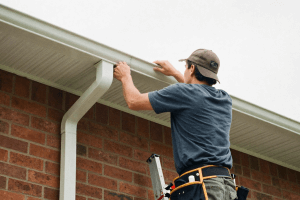
How Upgrading Your Gutter System Can Offer Better Roof Protection
You’ve probably thought about roof shingles, flashing, or ventilation when it comes to protecting your home, but what about your gutters? In a local climate
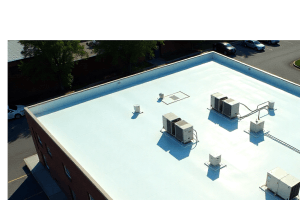
TPO Roofing Energy Efficiency for Your Business
It’s amazing how much a roof upgrade can change the way a building feels inside. TPO roofing energy efficiency is a perfect example of that.
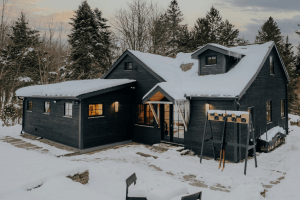
Winter-Proofing Your Home Exterior: 15 Tips for the Season
Most folks remember to grab extra batteries and crank up the heat when winter hits. But winter-proofing your home exterior? That’s the step too many
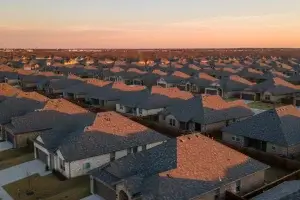
Synthetic Roofing Materials for Homes: Affordable Versatility That Protects and Performs
Your roof protects your family, defines your home’s character, and directly impacts your energy bills. At Maupin Roofing, we’ve installed hundreds of roofs across Oklahoma,