
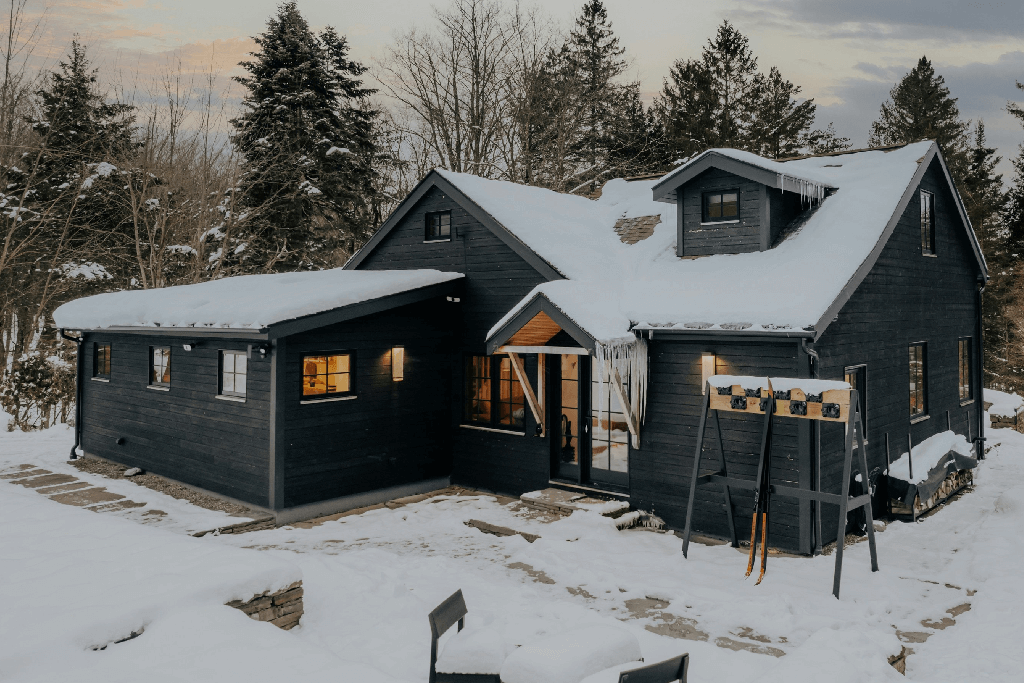
Most folks remember to grab extra batteries and crank up the heat when winter hits. But winter-proofing your home exterior? That’s the step too many homeowners skip, but based on what we’ve seen at Maupin Roofing, a little prep now can save you a whole lot of repair later. So if you’re looking for practical, real-world ways to winterize your home, this list of essential tips will help you get ahead of the cold and keep your home safe, sturdy, and comfortable.
1. Seal All Entry Points to Keep Cold Weather Outside
A good starting point for winter-proofing is checking the entry points where cold air sneaks in. Look closely at cracks near door frames, window casings, siding transitions, and around your home’s foundation. Even tiny gaps can interrupt a consistent indoor temperature and cause your HVAC system to work harder. Use exterior‑grade caulk to seal gaps and block drafts around those areas.
If you’ve noticed higher heating costs or uneven room temperatures, this quick task often explains why. As temperatures dip, sealing cracks helps keep warm air inside and protects your home’s exterior from moisture damage that can turn into costly damage later.
2. Upgrade to Energy-Efficient Windows Before the First Freeze
Older windows allow heat loss, condensation, and cold drafts. Upgrading to energy-efficient windows, such as double‑pane or storm windows, is one of the strongest ways to improve your home’s energy efficiency. These windows reduce heat transfer, keep winter weather outside, and help lower utility bills during the winter months.
If replacement windows aren’t in the budget, storm windows can still make a big difference. They add an extra barrier against cold temperatures, block drafts, and help maintain a consistent indoor temperature. Installing them before winter arrives guarantees maximum effectiveness once freezing nights settle in.
3. Inspect and Reinforce Doors and Windows for Better Insulation
Your windows and doors shouldn’t cause drafts. But over time, frames settle, hardware loosens, and seals shrink, so walk around your home and open and close every door and window. Look for loose hinges, worn seals, or visible daylight around the edges. Reinforcing these weak spots prevents heat loss and improves energy savings during cold weather.
If you have already upgraded to energy-efficient windows, reinforcing the surrounding materials is the next step. A tight seal around all windows and doors supports better insulation and reduces the chance of cold air slipping inside.
4. Install Door Sweeps to Block Out Drafts and Moisture
Exterior doors often have a narrow gap between the threshold and the bottom of the door. That small space is enough to let cold air and moisture creep in. Door sweeps close off that drafty area, making your home warm and comfortable without much effort.
They’re inexpensive and easy to install, and because they block water as well as air, they help prevent mold and moisture damage near entry points. It’s a simple upgrade that provides better insulation and reduces the strain on your HVAC system throughout winter.
5. Insulate Pipes Around Your Home’s Exterior to Prevent Freezing
Exposed pipes in crawl spaces, garages, outdoor faucets, and other unheated areas are vulnerable once freezing weather arrives. Cold temperatures can freeze water inside the line, causing pipes to burst and creating costly repairs. Foam sleeves or insulation tape around exposed pipes offer better protection.
Don’t forget exterior faucets. Covering exterior faucets keeps them from freezing, and shutting off water lines leading outside adds extra protection. If you’ve had pipes freeze before or have older plumbing, taking time to insulate pipes now will prevent leaks and save you from major headaches later.
6. Switch to Energy-Efficient Outdoor Lighting for Winter Nights
With days getting shorter, outdoor lighting plays a bigger role in safety and visibility. Energy‑efficient LED fixtures or motion‑activated lights reduce energy costs and handle harsh weather better than older bulbs. They last longer, perform well in cold temperatures, and illuminate walkways, porches, and driveways during winter nights.
If your outdoor lighting attracts bugs or struggles with cold temperatures, switching to LEDs provides immediate improvement and year‑round energy savings.
7. Winterize Your Gas Grill or Store It Properly for the Off-Season
A gas grill left uncovered in winter weather can rust quickly, clog, or even damage the ignition system. Clean it thoroughly to remove dirt, grease, and other debris. Then, disconnect the propane tank, and either store the grill in a protected area or cover it with a weather‑resistant cover.
This keeps moisture off the metal components and helps you avoid costly repairs in spring. If you also have outdoor furniture nearby, store or secure it as winter arrives so strong winds or freezing rain don’t damage it or your siding.
8. Clean and Repair Gutters to Prevent Ice Dams and Water Damage
Once leaves fall, clogged gutters become one of the most common causes of winter damage. A clogged gutter traps melting snow and rainwater, which can freeze and create ice dams. These ice dams push water back under your shingles and allow moisture to seep into your home’s roof or wall cavities.
Regular cleaning removes dirt and leaves, and installing gutter guards can help keep out other debris throughout the colder months. Also check for sagging sections, gaps at joints, or downspouts that drain too close to your home’s foundation. Repairing these early prevents leaks and further damage during harsh winter weather.
9. Caulk Cracks and Gaps Around Your Home’s Exterior Walls
Exterior walls eventually develop cracks due to weather changes, settling, or aging materials like vinyl siding, fiber cement siding, or wood siding. As temperatures drop, cold air and moisture move through these cracks and weaken the wall structure.
Use high‑quality caulk to seal gaps around utility penetrations, trim edges, vents, and siding seams. This prevents drafts, blocks moisture, and helps better insulation inside the wall cavities do its job. It’s a low‑cost improvement that improves energy efficiency and protects the home during the winter months.
10. Add Weatherstripping to Boost Energy Efficiency Around Doors
Weather stripping is an excellent partner to caulking and door sweeps. It fills the moving gaps where exterior doors and operable windows meet their frames. If you feel even a faint draft when standing near a door, it may be time to replace old or cracked weather stripping.
Updated weather stripping keeps warm air inside and prevents drafts from forming during cold temperatures. It also reduces strain on heating systems, cuts energy costs, and helps keep your home warm without relying solely on the thermostat.
11. Protect Outdoor Faucets and Hoses from Freezing Temperatures
Outdoor faucets freeze quickly once temperatures dip below freezing. Detach all hoses, drain them, and store them in a dry spot. Cover exterior faucets with insulated covers to protect them from cold weather and avoid water buildup inside the pipes.
If you have sprinkler lines or irrigation systems, blow out the remaining water to prevent ice expansion. Taking care of these small maintenance items now prevents costly repairs and damage to your home’s foundation or exterior walls in winter.
12. Check Roof and Shingles for Damage Before Cold Weather Hits
Your home’s roof takes the brunt of winter weather. Missing shingles, cracked flashing, or loose vents create places where melting snow or wind-driven rain can sneak in. If you notice missing shingles or areas where the granules look thin, get repairs done before a winter storm rolls in.
A strong roof helps prevent leaks and protects your insulation, ceilings, and wall systems from moisture damage. Roofing problems only get worse in winter, so addressing them early gives your home maximum effectiveness against harsh weather.
13. Add Exterior Insulation to Help Cut Down on Energy Bills
Additional exterior insulation can make a big difference in your home’s energy efficiency. If your walls feel cold to the touch or your rooms feel drafty, insulated siding options such as vinyl siding or fiber cement siding with built‑in insulation can improve performance during the winter months.
Adding insulation around crawl spaces or unheated areas also reduces heat loss and relieves strain on your HVAC system. Proper insulation supports a consistent indoor temperature and lowers your overall heating costs during winter.
14. Maintain Good Air Quality by Sealing Out Pollutants and Moisture
Cold weather often means closing up the house, which makes indoor air quality more noticeable. Drafts bring in dust and outdoor allergens. Moisture intrusion raises the risk of mold growth. By sealing cracks, reinforcing windows, and improving insulation, you prevent mold, block excess humidity, and help keep your home cozy throughout the colder months.
When paired with smart thermostats or a programmable thermostat, a well‑sealed home maintains heat more efficiently and creates a healthier breathing environment during the winter months.
15. Trim Back Trees and Secure Yard Items to Protect the Exterior
Tree branches weighed down by ice or strong winds can scrape against siding, break windows, or damage your home’s roof. Trim limbs that hang over the house or near power lines. Secure or store outdoor furniture so it doesn’t blow into windows or doors during a winter storm.
Simple outdoor prep like this prevents further damage and saves you from costly repairs once harsh winter weather settles in.
One Call Covers It: Let’s Winterize That Exterior
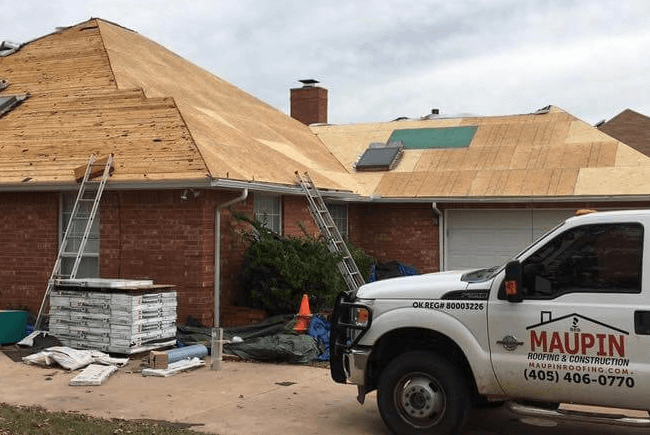
Whether it’s sealing gaps, fixing shingles, or upgrading drafty windows, our home exterior services cover everything you need to get winter-ready. At Maupin Roofing, we make the prep easy so you can focus on staying warm, not on emergency repairs.
Give us a call at 405-703-3843 or visit our website to get started!
Mansard Roofs: Elegant Architecture for Modern and Historic Homes
There’s beauty in function, and mansard roofs’ elegant architecture for modern and historic homes proves it. Designed to maximize attic space and make your home
Asphalt Shingles for Residential Roofs: Why They’re Ideal
There’s no shortage of stylish roofing materials out there, but not all of them are built for wind, rain, or heat. Asphalt shingles for residential
How Upgrading Your Gutter System Can Offer Better Roof Protection
You’ve probably thought about roof shingles, flashing, or ventilation when it comes to protecting your home, but what about your gutters? In a local climate
TPO Roofing Energy Efficiency for Your Business
It’s amazing how much a roof upgrade can change the way a building feels inside. TPO roofing energy efficiency is a perfect example of that.
Winter-Proofing Your Home Exterior: 15 Tips for the Season
Most folks remember to grab extra batteries and crank up the heat when winter hits. But winter-proofing your home exterior? That’s the step too many
Synthetic Roofing Materials for Homes: Affordable Versatility That Protects and Performs
Your roof protects your family, defines your home’s character, and directly impacts your energy bills. At Maupin Roofing, we’ve installed hundreds of roofs across Oklahoma,