
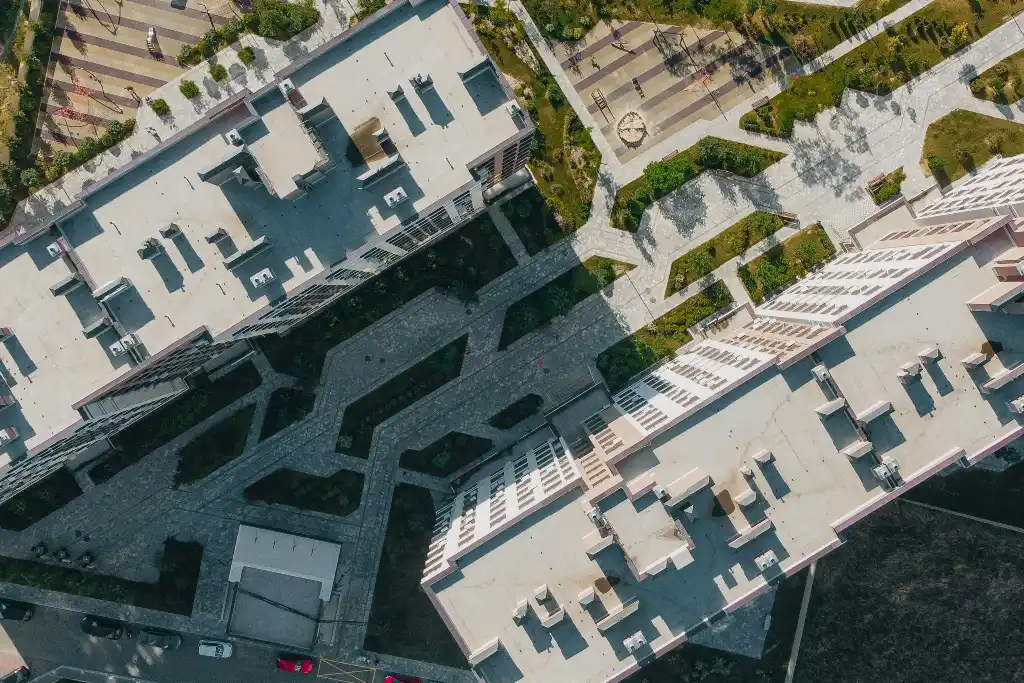
Many commercial buildings in OKC rely on flat roof systems for commercial properties because they’re versatile, sturdy, cost-effective, and easier to maintain. But how do you know which flat roof is best for you? Maupin Roofing is here to present your options so your next commercial roofing project delivers lasting performance and cost savings.
Commercial Roofing Systems: An Overview
When you start asking about commercial roofing systems, what you really need is a map of the options. Some commercial buildings favor slope roofs, but most commercial flat roofing systems make more sense for slight-slope roofs, low-slope roofs, or completely flat roofs. Choosing between single-ply systems, mod bitumen, built-up roofing, or even metal panel roofs depends on the flat roof surface you’re working with, what it needs to do, and what your investment looks like.
Compared to other roofing systems, flat roof systems for commercial structures are known to give you usable space on top for HVAC units, solar panels, or just access for maintenance. And when it comes time for roof replacement or adding roof coatings, knowing your roofing materials (and how they perform under UV light, high winds, and heavy foot traffic) matters.
Types of Commercial Flat Roofing Systems
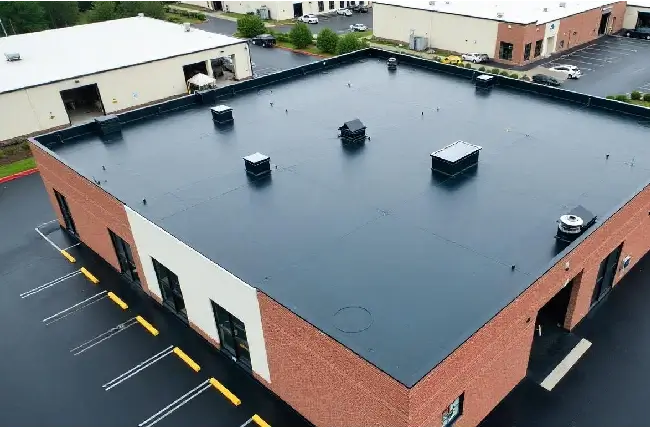
Here are the main types of commercial flat roofing systems, explained with insights and details we see in OKC.
1. Single-Ply Membranes: EPDM, TPO, and PVC
These are single-ply membrane systems, typically installed right over the roof deck or existing roof, making them lighter and faster to get up. Single ply roofing systems include:
EPDM Roofs (Synthetic Rubber)
This is a black or white synthetic rubber membrane that’s affordable and flexible. Our installers love it for existing roof coverage, because it’s easy to apply and blends with ballasted or fully adhered roofing materials. It resists thermal shock well, handles foot traffic when properly maintained, and lasts decades with regular maintenance. On low-slope roofs, it handles Oklahoma’s heat surprisingly well, though the black version can increase cooling costs unless you add reflective roof coatings.
TPO Roofs (Thermoplastic Polyolefin)
TPO is one of the most common roofing membranes out there for low-slope commercial roofs. It’s flexible, energy efficient, fire resistant, and reflective; specifically, white TPO helps reduce cooling costs and supports energy conservation. The seams are heat-welded for a smooth surface, and it resists ultraviolet light, chemicals, and mold. It’s affordable to install and low maintenance, making for an attractive combination.
PVC Roofing Systems
PVC offers top-tier chemical resistance, fire resistance, and durability, especially for industrial properties or restaurants. It handles grease, oils, and pollutants better than EPDM or TPO. It’s more expensive, but its long lifespan and UV protection make it worthwhile in the right setting.
2. Built-Up Roofing (BUR roofing system)
Built-up roofing is a classic commercial roof made of multiple layers: roofing felts and bitumen, capped with gravel or reflective coating. It’s thick, durable, and handles foot traffic well. With multiple layers, a single puncture doesn’t turn into a leak. Its layered nature and UV protection give it longevity, though installation is heavier and more labor-intensive.
3. Modified Bitumen Roofing Systems
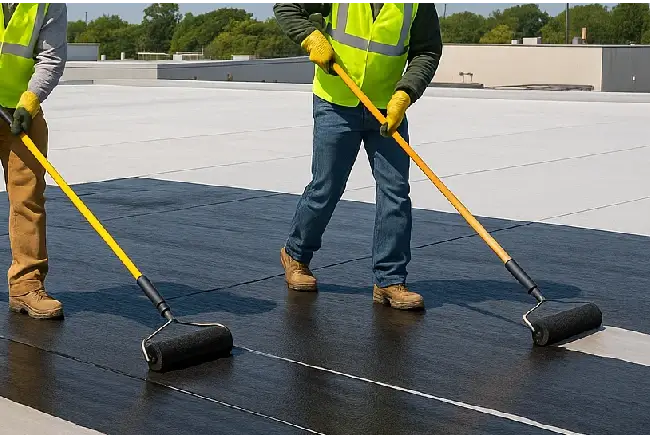
This is like a modern twist on BUR—asphalt-based, polymer-reinforced. Modified bitumen is flexible, strong, and applied with self-adhesive or torch-down methods. It holds up well to foot traffic and thermal movement and is fairly cost-effective. The seams are reliable when done right, though installation requires skill and safety measures.
Benefits of Flat Roof Systems for Commercial Buildings
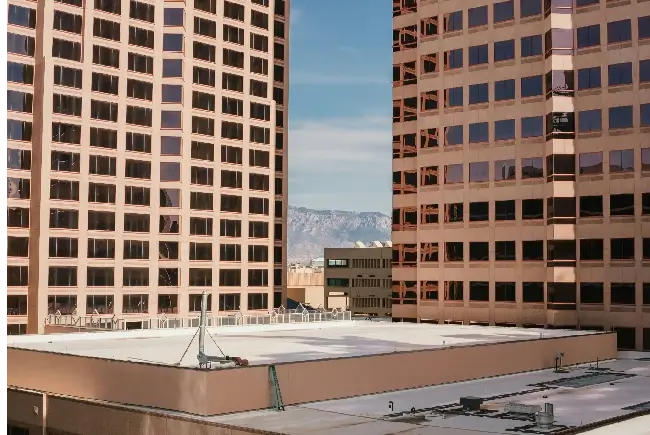
Below, you’ll find out where commercial flat roof systems really shine and why building owners often choose them over other types of commercial flat roofing systems.
Usable Space and Equipment Support
A flat roof surface means simpler placement of HVAC units, solar panels, or even small rooftop gardens. You can walk on it, work on it, and access it safely, especially with BUR or modified bitumen roofing systems designed for foot traffic. Trying to maintain rooftop equipment on slope roofs is a hassle in comparison.
Energy Efficiency and Cooling Cost Reductions
White TPO or PVC membranes sharply reflect sunlight. That keeps buildings cooler, improves energy conservation, and cuts HVAC energy costs in summer. Over time, that can significantly offset upfront investment.
Durability under Commercial Roofing Conditions
Flat roofing materials like EPDM, TPO, PVC, BUR, and modified bitumen hold up well when properly maintained. BUR’s multiple layers and TPO’s reinforced membranes offer resilience. A properly installed single-ply membrane can easily last 20–30 years. Regular maintenance keeps them performing well.
Flexible Roof Replacement and Maintenance
You can often install new roofing over an existing roof (called a roof recovery), saving tear-off costs. Spot repairs are straightforward with single-ply membranes, while roof coatings can extend life. With flat roofing materials, you have options to patch, resurface, or fully replace based on budget or timing.
Other Commercial Roofing Materials
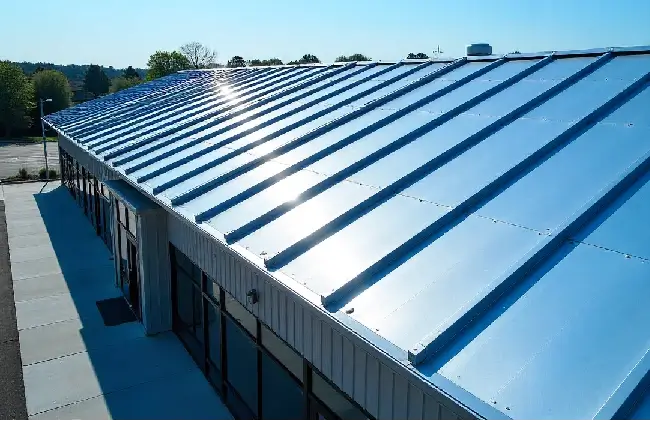
Considering roofing options other than flat roofing systems? Here are a few other materials to think about.
Metal Roofing and Metal Roof Systems
Metal panel roofs on low-slope commercial roofs can be durable and energy efficient. They resist high winds, offer UV protection, and last for decades. The investment is higher upfront, but the lifespan and resistance to fire make it a solid long-term value.
Asphalt Shingles and Liquid Applied Roofing
Asphalt shingles don’t belong on flat roofing systems. They’re for sloped or sloped roofs and will fail on a flat roof surface. Liquid-applied roofing, on the other hand, can waterproof oddly shaped sections or patch areas. But it doesn’t replace a reliable membrane for an entire roof.
Vegetative Roofs or Green Roofs
Green roofs add insulation and environmental value by layering soil and vegetation over a waterproof membrane. They reduce heat island effect and stormwater runoff, but require load-bearing structure and careful waterproofing. It’s more of a specialty application than mainstream flat roofing.
Commercial Roofing System Cost Considerations
Talking dollars? Some of the factors that affect the price of your flat roof system includes:
Material choice and thickness: EPDM and TPO tend to be more economical; PVC or metal costs more but offers durability or specialized resistance.
Labor and installation complexity: Torch‑down modified bitumen or BUR adds time and safety needs. Heat welding single ply is faster but requires equipment.
Tear‑off or roof recovery: Removing the existing roof adds cost. Recovering can be cheaper but depends on existing roof condition.
Roof size and features: Penetrations like skylights, HVAC stacks, or drains add flashing and labor.
Insulation and drainage design: Tapered insulation, slope for drainage, or a system for thermal performance influences cost.
Warranty and R-value: Higher performance or longer warranty systems may cost more initially, but lower overall maintenance expenses.
We recommend requesting a project estimate from a trusted roofer like Maupin Roofing for more accurate costs. Request a free quote from our team today!
How to Extend the Life of Commercial Roofs with Preventive Care
The best thing you can invest in isn’t just materials—it’s regular care and smart attention.
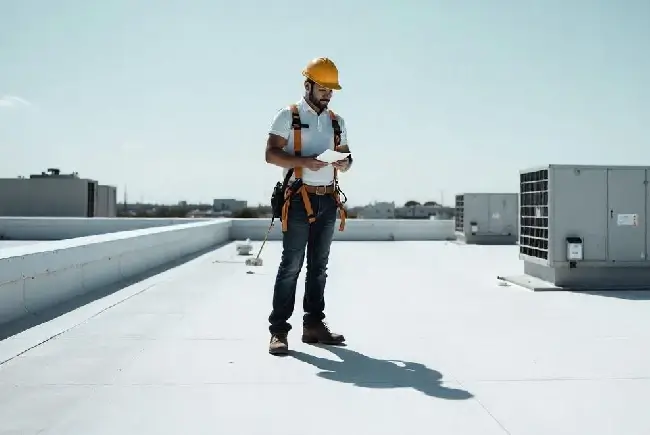
Regular maintenance: Schedule inspections at least twice a year, plus after storm events. Watch for ponding water, seam damage, worn coatings, blocked drains, or heat-weld failures.
Keep drainage clear: Flat roofs rely on drains and scuppers. Keeping them clear prevents pooling water that can degrade roofing membranes.
Prompt spot repairs: A small split or blister can be patched quickly. Waiting leads to leaks and more severe damage.
Add roof coatings: Reflective or waterproof roof coatings add UV protection and extend membrane life. This is especially helpful for EPDM or BUR roofs.
Control foot traffic: All roofing systems slow down under foot traffic. Use walk pads on single ply, and avoid dragging equipment.
Protect from tree damage: Trim branches to stop scrapes or punctures. This prevents damage to flat roofing materials and seals.
Let’s Talk About Your Next Commercial Roofing Project
If you’re planning a new build or replacing an aging system, Maupin Roofing is here to help with expert commercial roofing in OKC. We’ve been a trusted commercial roofing contractor since 1985, working with everything from retail centers to warehouses, office buildings to residential structures with flat roof sections. Whether your property needs TPO membranes for better energy performance, a long-lasting BUR system for high-traffic commercial rooftops, or guidance on what works best for industrial buildings, we bring decades of hands-on experience and honest recommendations.
Let’s talk about what your roof needs and build a plan that protects your property for the long haul!

Wind-Resistant Roofing Options for Edmond Homes
If you’ve lived in Oklahoma for any length of time, you know the wind here doesn’t mess around. For homeowners in Edmond specifically, the question
Roof Repair: Hail Damage in Oklahoma City
Hail storms can be devastating, and hail can cause substantial damage to homes, vehicles, and businesses, leading to costly repairs. This article focuses on roof
Sawtooth Roofs: A Modern Look for Contemporary Homes
Lorem ipsum dolor sit amet, consectetur adipiscing elit. Ut elit tellus, lu Walk past a century-old textile factory in New England, and you will likely
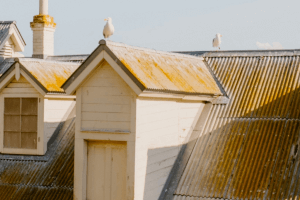
Dormer Roofs: Adding Space and Character to Your Home
A dormer roof is a roofed structure that projects vertically beyond the plane of a pitched roof, creating extra headroom and usable floor space within
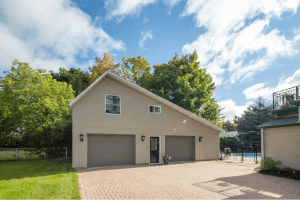
What Is a Saltbox Roof? | Design Features, Benefits, and Drawbacks
Saltbox roofs aren’t the flashiest trend on the block, but they’ve quietly stood the test of time. Originating in England and brought to the US
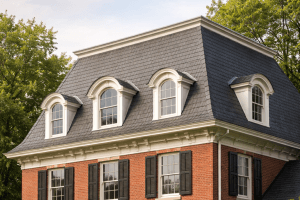
Mansard Roofs: Elegant Architecture for Modern and Historic Homes
There’s beauty in function, and mansard roofs’ elegant architecture for modern and historic homes proves it. Designed to maximize attic space and make your home