
If you’ve lived in Oklahoma for any length of time, you know the wind here doesn’t mess around. For homeowners in Edmond specifically, the question isn’t whether your roof will face a high wind event — it’s when. That’s why experienced roofers in Edmond often emphasize wind-resistant systems from the start.
Wind resistant roofing isn’t just a premium upgrade anymore. In areas prone to damaging winds and tropical storms pushing inland, it has become a practical necessity. A properly designed roof system protects your home’s structure, prevents costly repairs, and preserves your roof’s integrity when wind speeds start climbing.
What is Wind Resistant Roofing and Why High Winds Matter
At its core, wind resistant roofing refers to a roofing assembly engineered to resist uplift pressure and maintain performance during strong winds. The biggest threat isn’t always the sideways push people imagine. Instead, the real danger often comes from wind uplift.
As wind moves across the roof’s surface, it creates temperature and pressure differences in the surrounding air within the earth’s atmosphere. Those shifts can form negative pressure zones that create upward pressure, literally trying to lift the roofing material off the roof decking. When wind uplift forces exceed the roof’s ability to resist uplift, damage begins — often starting at roof edges and working inward across the entire roof.
In high wind areas like Edmond, even sustained winds well below hurricane force winds can create significant stress on a roof structure. Over time, repeated wind conditions can loosen fasteners, create missing shingles, and allow water intrusion that weakens the system further.
For homeowners in high wind or hurricane prone areas across Oklahoma, investing in high wind resistance isn’t overkill — it’s smart protection.
Common Roofing Materials and Wind Performance
Not all roofing materials respond to wind force the same way. Some provide good wind resistance by design, while others rely heavily on proper installation techniques to perform well. Some perform better than others when wind speeds climb.
In general, the roofing materials with the strongest documented wind uplift resistance include:
Standing seam metal roofing
Properly installed metal panels
Slate roofing and tile roofing systems
High-wind-rated asphalt shingles
Certain synthetic steep slope roofing products
The best roofing material for your home depends on several factors: roof pitch, building height, exposure to open wind conditions, and budget. Gable roofs, for example, often experience higher uplift pressure at the edges and ridges, making material choice and fastening patterns especially important.
Let’s look at how each major category performs and what factors influence them.
1. Asphalt Shingles
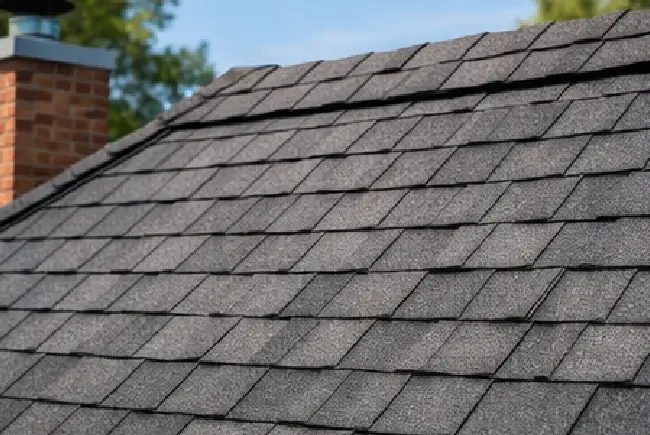
Asphalt shingles remain the most common roofing material in Edmond, largely because they balance affordability and performance. Modern architectural shingles can provide respectable wind uplift resistance when installed correctly.
Most standard products are rated for varying degrees of wind speeds, often between 110 and 130 mph. High-performance options designed for high wind areas can withstand winds even higher when the manufacturer’s specifications are followed precisely.
Asphalt shingles work best on typical residential roof structures with moderate slopes. However, they are more vulnerable to wind damage if installation shortcuts occur. Loose shingles, missing flashing, and incorrect nail placement are among the top causes of premature failure.
For homeowners choosing shingles, the key is simple: follow the manufacturer nailing pattern exactly and select products specifically rated to withstand high winds in your region.
2. Metal Roofing
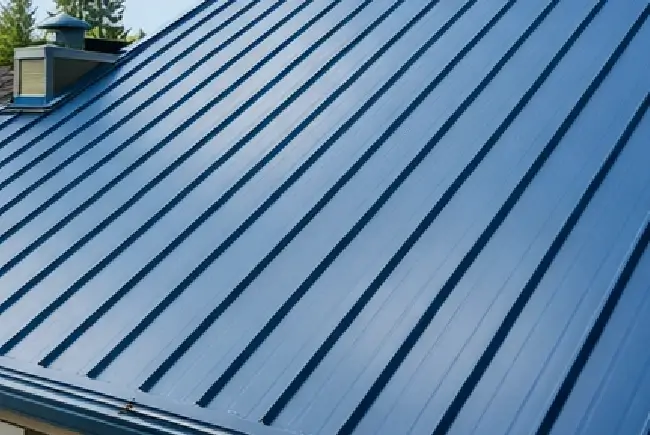
There’s a reason metal roofing has built such a strong reputation in high wind areas. Properly installed standing seam metal roofing systems routinely achieve some of the highest wind uplift resistance ratings in the residential market.
Because metal panels interlock and fasten securely to the roof decking, they are less likely to experience the progressive failure that can occur with shingles during extreme winds. Many systems are tested to withstand winds exceeding 140 mph when properly engineered.
Metal roofing works especially well for homes exposed to strong winds, open terrain, or high wind prone areas. However, performance depends heavily on installation techniques.
Upgrading clip systems and fasteners can significantly improve wind uplift resistance. Panel spacing, sealant quality, and edge detailing also matter. When installed correctly, metal roofing offers one of the most durable wind resistant roof material options available today.
3. Tile, Slate, and Heavy Coverings
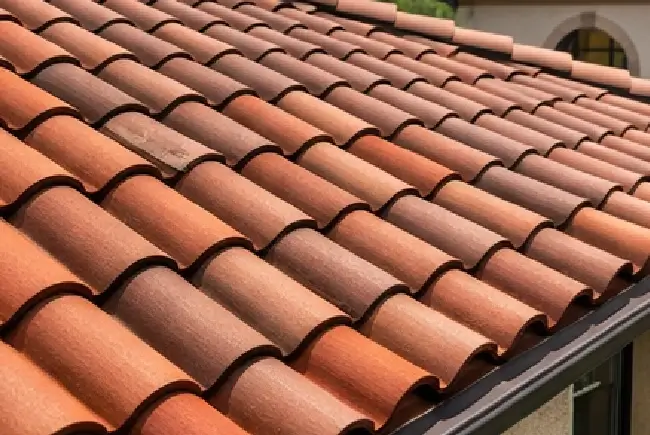
Tile roofing — including clay tiles, concrete tiles, and slate roofing — provides excellent wind resistance due to its weight and durability. Concrete tile roofs and clay and concrete tiles can withstand winds very well when mechanically fastened and properly detailed.
These systems are often used in hurricane force winds regions and high velocity hurricane zones because of their proven performance. However, they do come with important structural considerations.
Because concrete tiles and slate roofing are heavy, the roof structure and roof decking must be reinforced to support the load. Mechanical fastening is critical to achieve proper uplift resistance. Simply relying on mortar or adhesive is not enough in high wind speeds.
Homeowners should also understand that while tile roofing resists high wind uplift well, brittle failures can occur if flying debris — such as tree branches — strike the roof during a wind event. Impact resistance matters just as much as uplift performance.
4. Synthetic and Single-Ply Options
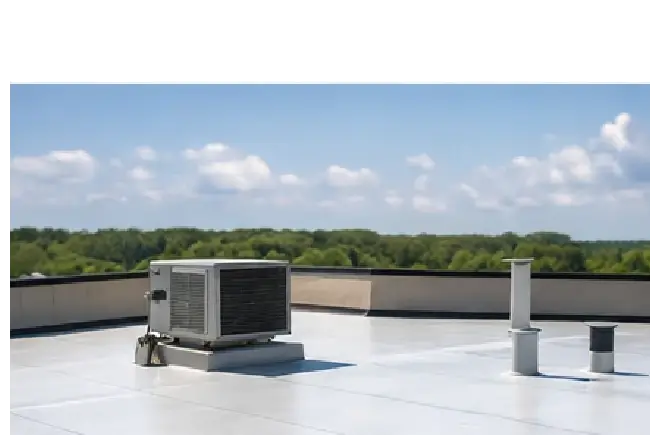
Synthetic steep slope roofing products have improved dramatically in recent years. Many composite shingles now offer strong wind resistance combined with enhanced impact durability.
For flat or low-slope roof systems, single-ply membranes like TPO and EPDM can perform very well in high wind areas when properly attached. The key factor is the attachment method — whether fully adhered, mechanically fastened, or ballasted.
Before specifying any synthetic roofing material, homeowners and contractors should carefully review tested wind speed ratings and uplift pressure data. Not all products perform equally, and documented testing matters.
Wind Forces, Design Wind Speeds, and Wind Uplift
To understand how roofs are engineered, you have to look at design wind speeds. These values, established by building codes and standards, estimate the wind conditions a structure must resist.
Professionals typically consult ASCE-7 wind maps or local Oklahoma code requirements to determine the specific wind speeds a roof system must handle. From there, engineers translate those wind speeds into expected uplift pressure across different areas of the roof’s surface.
Roof edges, corners, and ridges typically experience the highest wind uplift forces. That’s why many high-performance roofing assembly designs include enhanced fastening in those zones.
For Edmond homeowners, understanding these design principles helps explain why proper installation matters just as much as material selection.
Testing, Ratings, and Code Compliance for Wind Uplift Resistance
Not all wind ratings are created equal. Reliable products are tested under recognized standards such as ASTM, UL, and FM uplift protocols. These tests simulate wind uplift forces and measure how well the roofing system resists failure.
Before choosing a wind resistant roofing product, homeowners should verify the listed wind speeds the system is rated to withstand. It’s also essential to confirm the roof system meets local building code requirements for areas prone to high winds.
A reputable contractor will provide documentation showing compliance — and explain what those numbers actually mean for your home.
Roofing System Components that Affect Wind Uplift Resistance
Even the best roofing material can fail if supporting components are weak. Wind performance depends on the entire roof system working together.
Critical elements include the roof decking, fasteners, flashing, underlayment, and edge details. Small weaknesses in any of these areas can compromise the roof’s ability to resist uplift.
Homeowners should insist on a thorough inspection before any reroofing project begins. Documenting the existing condition helps identify upgrades that will improve overall performance.
Roof Decking and Substructure
The roof decking is the foundation of the roofing assembly. If it’s loose, rotted, or poorly attached, wind uplift resistance drops dramatically.
Contractors should inspect the decking carefully and replace compromised sections promptly. In high wind areas, upgraded sheathing attachment schedules — including closer nail spacing — can significantly improve performance.
This step is often overlooked but plays a major role in how well a roof can withstand winds.
Flashing, Missing Flashing, and Roof Penetrations
Wind often exploits the smallest weak points. Missing flashing, loose seams, or poorly sealed penetrations can allow both uplift and water intrusion.
After any high wind event, homeowners should check for bent or missing flashing around chimneys, vents, and skylights. Penetration collars must be fastened according to manufacturer requirements to maintain the roof’s integrity.
Ignoring these small details is a common cause of roof damage in strong winds.
Fasteners, Underlayments, and Adhesives
Fastener type and length directly influence uplift resistance. Using the wrong nail or screw can reduce performance dramatically.
High-wind underlayment products add another layer of protection, helping the roof resist uplift even if the primary covering is compromised. In cooler weather, contractors may need to hand-seal shingles or use approved adhesives when temperatures prevent proper curing.
These behind-the-scenes details often make the difference between a roof that holds up and one that fails early.
Common Signs of Wind Damage to Spot
After a wind event, early detection matters. Homeowners should watch for lifted or missing shingles along roof edges, which are often the first failure points.
Other warning signs include bent flashing, exposed fasteners, and debris impacts. Inside the attic, water stains or damp insulation can signal hidden breaches in the roofing system.
Catching problems early can prevent much more expensive repairs later.
Inspection, Maintenance, and After a Wind Event
In high wind prone areas, roofs should be professionally inspected at least once a year and after any major storm producing damaging winds.
Documentation is important, especially for insurance claims. If significant roof damage occurs, temporary tarping should be installed immediately to prevent water intrusion while permanent repairs are scheduled.
Routine maintenance remains one of the most cost-effective ways to extend the life of wind resistant roofing.
Choosing a Contractor in High Wind Areas: Why Maupin
Selecting the right contractor is just as important as choosing the best roof material. Homeowners in Edmond should request a written wind resistant roofing proposal that clearly outlines materials, fastening patterns, and wind ratings.
Maupin Roofing understands the demands Oklahoma weather places on homes. Their team evaluates the entire roof structure, verifies code compliance, and recommends installation techniques designed specifically for high wind areas.
If you’re planning a roof upgrade or concerned about your current roof’s wind resistance, Maupin Roofing offers FREE quotes and insurance assistance for Edmond-area homeowners. A properly engineered roof today can help your home withstand winds for decades to come.
Roof Insurance Claims Guide for Norman Property Owners
Dealing with a damaged roof can feel overwhelming, especially when you’re facing a long insurance claim process while rain is still leaking through your ceiling.
New Roof Financing in Yukon: Affordable Plans Explained
For many homeowners in Yukon, Oklahoma, getting a new roof is one of the most important investments they will ever make in their home. Whether
Asphalt Shingle Replacement in Oklahoma City Suburbs
If you live in the Oklahoma City suburbs, you already know your roof does not get a break. Between sudden storms, heavy hail, and long

Wind-Resistant Roofing Options for Edmond Homes
If you’ve lived in Oklahoma for any length of time, you know the wind here doesn’t mess around. For homeowners in Edmond specifically, the question
Roof Repair: Hail Damage in Oklahoma City
Hail storms can be devastating, and hail can cause substantial damage to homes, vehicles, and businesses, leading to costly repairs. This article focuses on roof
Sawtooth Roofs: A Modern Look for Contemporary Homes
Lorem ipsum dolor sit amet, consectetur adipiscing elit. Ut elit tellus, lu Walk past a century-old textile factory in New England, and you will likely