
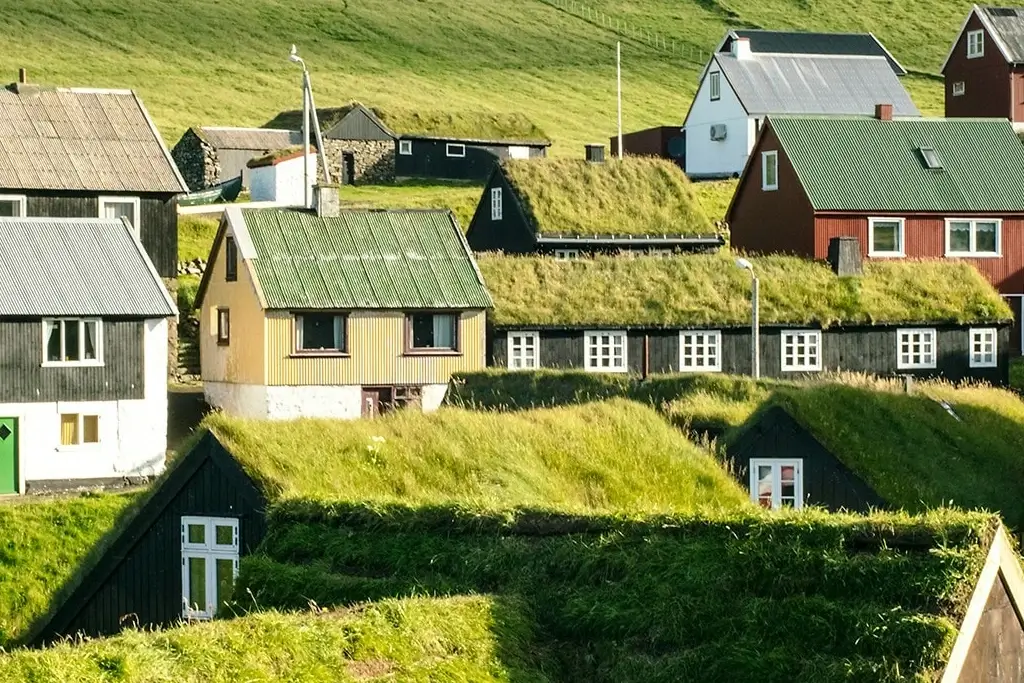
Eco-friendly living has made its way to rooftops, and the results are impressive. Green roofs for residential homes are helping families reduce energy costs while adding beauty and sustainability to their neighborhoods. As one of the leading roofing companies in OKC, Maupin Roofing has seen how these projects create long-term benefits for both homeowners and the environment, and we’re here to share everything you should know.
How Do Green Roof Systems Work?
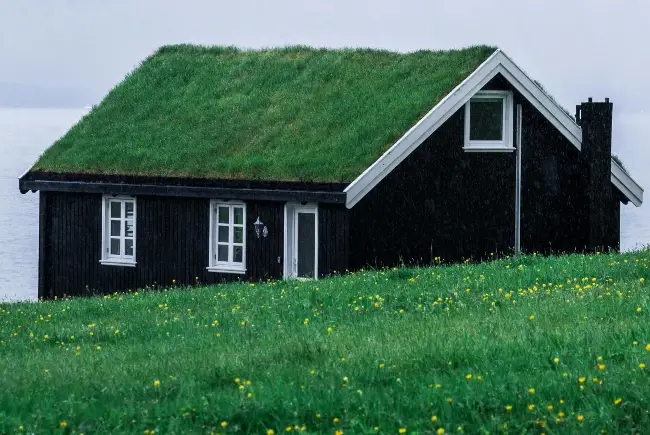
Green roof systems are a layered, carefully engineered system. At the base, there’s always a waterproofing membrane and a roof membrane that protect the existing roof. This barrier keeps leaks at bay even when the system is retaining water. Above that is often a filter cloth and drainage layers. Some setups even use plastic trays to hold substrate and water evenly.
Then comes the growing medium, which is not your typical backyard dirt. It’s a lightweight mix designed to encourage plant growth, resist compaction, and drain properly. On top of that, you’ll see the green roof plants themselves: sedums, drought-resistant plants, grasses, or even native plants suited to specific climate zones. These suitable plants form the visible part of the roof, and their ability to thrive in challenging conditions makes them ideal.
Together, the layers of a living green roof retain rainwater, reduce stormwater runoff, and add thermal resistance to the home. Instead of water rushing into drains, green roofs provide temporary storage, filtering through the system and reducing strain on sewers. In simple terms, this is modern green roof technology at work: combining waterproofing, drainage, and plant life to turn a traditional roof into part of a larger green infrastructure.
Energy Efficiency and Comfort Benefits
One of the most convincing reasons to install green roofs on homes is their impact on energy efficiency. Oklahoma homeowners know how expensive air conditioning can be in summer and how frustrating heating bills are during cold snaps. A green roof installation changes how heat moves through the building.
The extra layers act like insulation, giving your home thermal resistance. During summer, evapotranspiration from plants lowers the roof’s surface temperature, which means lower cooling costs. In winter, the soil and vegetation trap heat, reducing the need for extra furnace use. This cuts down overall heating and cooling costs, leading to real energy savings.
Your house stays more comfortable with less demand on your HVAC, and less demand on power plants translates into environmental benefits for the entire city. This is how residential green roofs contribute to both family budgets and healthy cities.
Ecological Benefits of Green Roofs
The ecological benefits of green roofs are wide-reaching. First, they help reduce stormwater runoff by holding rain in the soil and slowly releasing it. That means cleaner water flowing into the community since living plants and soil act as natural filters that catch pollutants.
They also contribute to urban ecosystems by creating habitat pockets. Pollinators like bees, butterflies, and birds can thrive in these rooftop spaces. In some cases, designers even include elements of urban agriculture, like small vegetable patches or herb gardens supported by green roof technology.
Another benefit is air quality. The plant life on your roof absorbs carbon dioxide and produces oxygen, a small but meaningful way to improve the local environment. Altogether, adding green roofs to more homes helps balance out the ecological impact of city living.
Financial Benefits of Installing a Green Roof
It’s no surprise that adding a green roof project to your home requires upfront investment. Costs are usually measured per square foot, and can range widely depending on the design. An extensive green roof with low-growing sedum and minimal soil depth will generally cost less per square foot than intensive green roofs, which support deeper soil, shrubs, or even small trees.
The good news is that the financial benefits stretch far beyond initial costs.
Since your roof is shielded from the elements, the underlying roofing material lasts much longer than on a conventional roof.
The energy savings from lower heating and cooling costs add up every year.
A living roof can boost home value because sustainable features and green roof designs often appeal to buyers.
Some homeowners even pair green roof types with solar panels, maximizing energy efficiency and cutting both cooling costs and electricity use. While Oklahoma doesn’t yet offer the same rebates as cities like downtown Toronto, where green roof design teams and city codes are far ahead, the trend is spreading. As more American cities invest in green infrastructure, incentives may come to Oklahoma, too.
Tackling the Heat Island Effect
If you’ve ever stepped out in Oklahoma City on a hot summer afternoon and thought it felt hotter downtown than in the suburbs, that’s the urban heat island effect. Urban heat islands form because traditional roof surfaces and asphalt absorb sunlight and radiate heat.
Green roof types, by contrast, reflect less heat and cool themselves through evaporation. As more homeowners begin adding green roofs, the heat island problem decreases. In fact, large-scale adoption across an entire city could noticeably lower summer temperatures. Lower surface temps also mean less reliance on air conditioning, which reduces pollution from power plants.
This is why many landscape architects and planners see green roofs as part of the solution for healthy cities.
Planning Your Green Roof Project
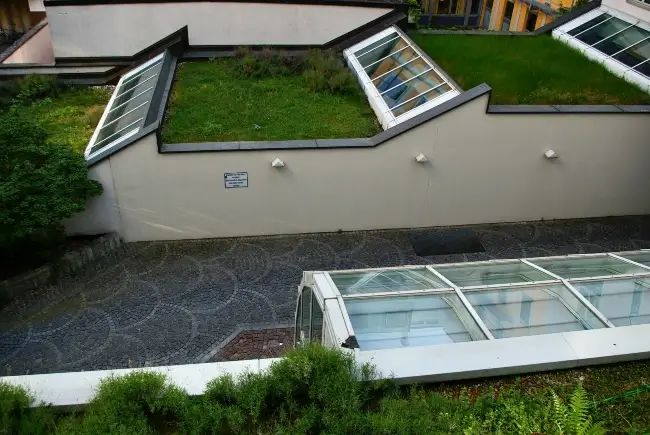
If you’re interested in a green roof installation, great planning is half the success. Here are the major areas to consider:
1. Structural Assessment
Since soil and plants add weight, the first step is checking your existing roof. A flat roof is often ideal, but sloped roofs can also work with the right design. Structural engineers and a qualified green roof design team will calculate whether your home can support the load safely.
2. Choosing Between Green Roof Types
Homeowners usually pick between extensive green roofs (lighter, thinner, less maintenance) and intensive green roofs (heavier, deeper, more versatile). Both green roof types have their place, depending on your budget and goals.
3. Budgeting
Expect to see costs quoted per square foot. This covers the waterproofing membrane, drainage layers, growing medium, and installation of suitable plants. While prices are higher than a conventional roof, remember the financial benefits and energy savings down the line.
4. Plant Selection
In Oklahoma, you’ll want native plants or drought-resistant plants that can handle heat waves, heavy rain, and windy conditions. Sedum, grasses, and wildflowers are common choices, but a good roof design team can help pick the most suitable plants for your roof and climate zones.
5. Partnering With Experts
Work with roofers who know modern green roof technology and have experience with green roof installation. Maupin Roofing has been handling roofing material and exterior projects in Oklahoma City for over 35 years, making our team a reliable local option if you want to turn your green roof project into reality.
What to Expect During Green Roof Installation
The process of green roof installation is structured but straightforward.
Contractors start by preparing the existing roof and applying a waterproofing membrane and a roof membrane.
Next, they lay down a filter cloth and drainage layers (sometimes using plastic trays).
Then comes the growing medium, spread evenly across the surface, followed by the green roof plants.
Depending on the size and complexity, this can take a few days to a few weeks. If your home has a flat roof, the process may be quicker, but sloped roofs require more anchoring and design work. The result is a living green roof that transforms the way your home interacts with the environment.
How to Maintain Green Roofs
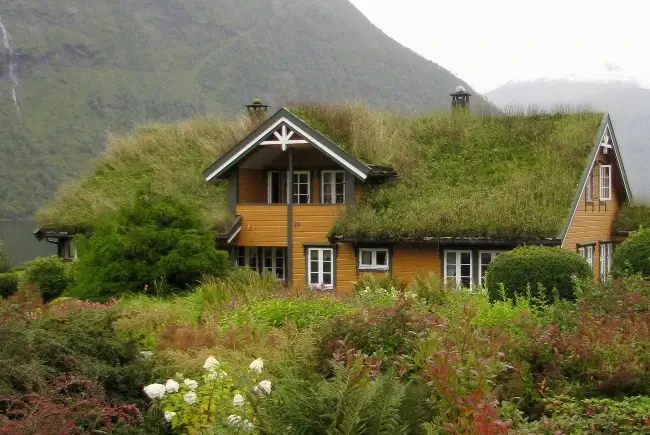
Maintenance depends heavily on the green roof types you choose.
Extensive green roofs are designed for minimal maintenance. After the first year, when watering and weeding are more frequent, upkeep typically drops to seasonal inspections. Intensive green roofs require more attention, just like a garden. You’ll need to water regularly, fertilize occasionally, and manage weeds.
General care includes checking drains for debris, monitoring plant coverage, and replacing any failed vegetation. With the right plants, your roof should thrive year after year.
Other Helpful Considerations
Urban Agriculture: Some homeowners turn their rooftops into small gardens. Herbs and vegetables can be grown with the right soil depth, expanding the ecological benefits of the project.
Warranty and Insurance: Since green roof technology is more complex than a traditional roof, make sure you understand warranties on both the roof membrane and vegetation system.
Climate Zones: Oklahoma sits in a region with hot summers, so select suitable plants that can withstand extreme conditions.
Design Integration: Work with landscape architects to choose green roof designs that complement your house and property.
Start Your Green Roof Project Today
Green roofs are part of building healthy cities, reducing the heat island effect, and creating homes that work with nature. Green roofs provide advantages that go beyond your own property, including lowering heating and cooling costs and cutting cooling costs in summer, reducing stormwater runoff, and adding natural beauty.
If you’re considering adding green roofs to your home, Maupin Roofing in Oklahoma City is a name you can trust. With over 35 years of experience and knowledge of both traditional roof methods and modern green roof technology, we’re ready to help you design and build a system that fits your budget, your roof, and your vision.
Call us today to talk about your own green roof project and see how this investment can pay off in comfort, sustainability, and long-term financial benefits.

Wind-Resistant Roofing Options for Edmond Homes
If you’ve lived in Oklahoma for any length of time, you know the wind here doesn’t mess around. For homeowners in Edmond specifically, the question
Roof Repair: Hail Damage in Oklahoma City
Hail storms can be devastating, and hail can cause substantial damage to homes, vehicles, and businesses, leading to costly repairs. This article focuses on roof
Sawtooth Roofs: A Modern Look for Contemporary Homes
Lorem ipsum dolor sit amet, consectetur adipiscing elit. Ut elit tellus, lu Walk past a century-old textile factory in New England, and you will likely
Dormer Roofs: Adding Space and Character to Your Home
A dormer roof is a roofed structure that projects vertically beyond the plane of a pitched roof, creating extra headroom and usable floor space within
What Is a Saltbox Roof? | Design Features, Benefits, and Drawbacks
Saltbox roofs aren’t the flashiest trend on the block, but they’ve quietly stood the test of time. Originating in England and brought to the US
Mansard Roofs: Elegant Architecture for Modern and Historic Homes
There’s beauty in function, and mansard roofs’ elegant architecture for modern and historic homes proves it. Designed to maximize attic space and make your home