
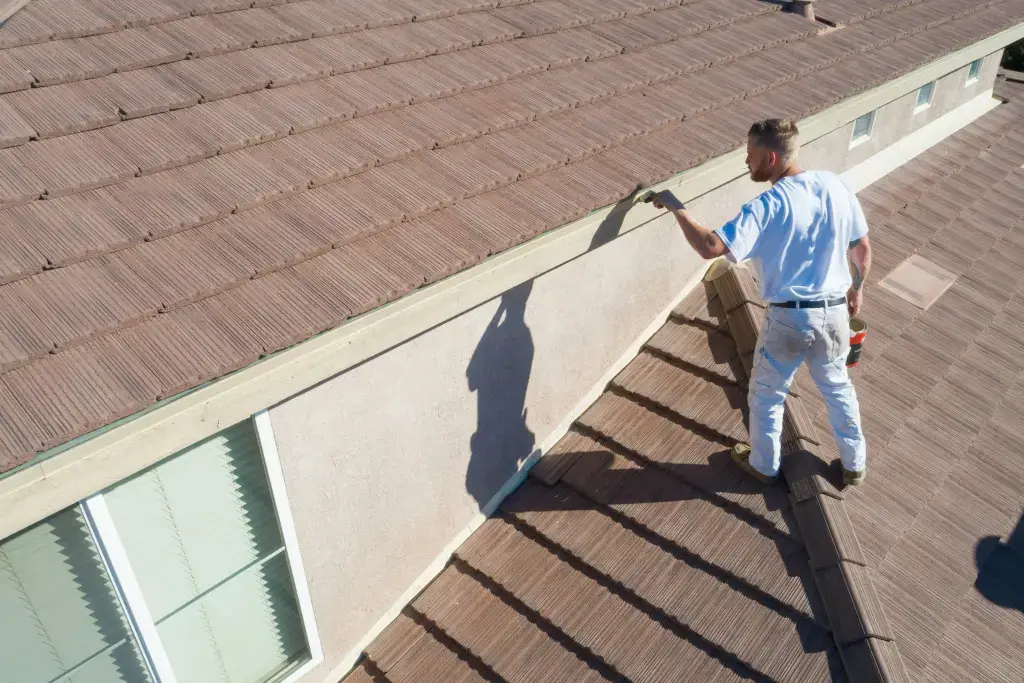
Protecting roofing health means protecting the whole structure, the people living inside, and the air everyone breathes. For Oklahoma homeowners, regular roofing checks are especially important because the weather doesn’t hold back. Strong winds, heavy rain, hail, and blazing heat all wear down roofs faster than expected. Small issues turn into big ones before anyone notices, and those problems don’t stop at the shingles.
This guide breaks down everything you need to know about roofing health. Maupin Roofing has been helping families and businesses stay ahead of roofing problems for over 35 years, so if any of these signs sound familiar, we’re ready to help!
Signs That Your Roof Needs Attention
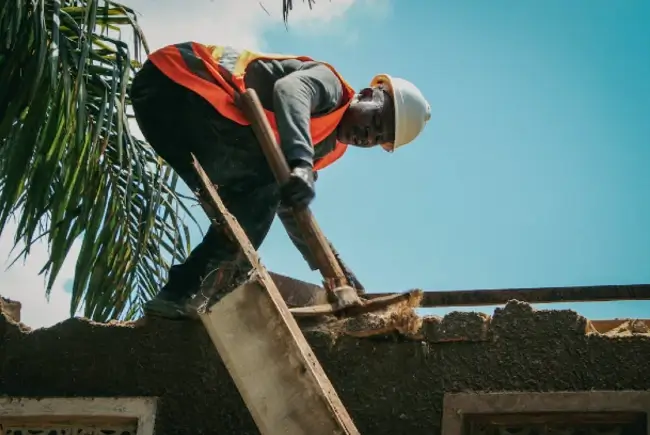
Roofing problems usually show up long before water starts dripping from the ceiling. Learning how to spot these signs can help protect the structural integrity of the home and the well-being of everyone inside.
Keep an eye out for:
Shingles That Are Cracked, Curling, or Missing
This is where most trouble starts. Shingles keep water out and protect the roofing materials underneath. Once they start to curl, crack, or fall off, water seeps in. Even minor leaks can cause long-term structural damage and mold growth if not handled quickly. In severe cases, mold spores can spread throughout the attic and into living spaces.
Sagging or Uneven Sections
Dips and low spots often point to damage beneath the surface. This could be weakened decking, softened by water, or framing that’s starting to rot. Left untreated, sagging areas can collapse under heavy rain or snow. These kinds of structural issues affect both safety and comfort for building occupants.
Water Stains, Musty Odors, and Increased Indoor Humidity
Dark stains on ceilings or walls are a common sign of roof leaks. Along with the stains often comes a musty smell that’s caused by trapped moisture or mold growing in hidden spots. These are the same areas that may release mold spores into the air, which can worsen asthma symptoms and contribute to long-term respiratory problems.
Mold Growth and Mildew in the Attic
Once water gets in, the warm, dark nature of attic spaces makes them perfect for mold to spread. Mold spores affect indoor air quality and can irritate the respiratory tract. For those with asthma, exposure to mold can lead to more frequent asthma attacks and other health issues, especially in children or those with lung conditions.
Clogged or Damaged Gutters
Gutters that don’t drain properly cause water to back up onto the roof, leading to leaks or rotted fascia. Standing water around the edges of the roof can break down roofing materials and attract pests, adding to the stress on the entire system.
Health Risks From an Unchecked Roof
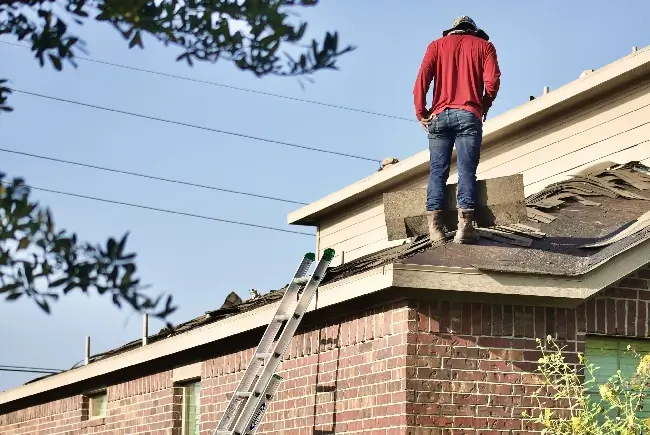
Most people don’t think about health when looking at a roof, but the connection is more serious than it seems. The National Roofing Contractors Association and others in the roofing industry often stress how roofing health majorly affects the safety and comfort of a home.
These are some of the potential health risks that come with a neglected roof:
Mold Growth and Poor Air Quality
Water leaks lead to mold. Mold affects air quality, especially in closed or poorly ventilated areas. Breathing in mold spores over time causes respiratory issues. In severe cases, it can trigger asthma attacks or create symptoms that feel like allergies or sinus infections but don’t go away.
Indoor air quality matters more than most realize. A roof in bad shape can quietly introduce hazardous materials like mold and mildew that make life miserable for anyone with asthma, allergies, or sensitive lungs. For some families, this leads to chronic coughing, headaches, or breathing problems that doctors can’t fix until the source is removed.
Serious Health Risks From Roofing Exposure
Damaged roofs, especially older ones, might include hazardous materials such as lead paint or old insulation. These materials pose risks to both workers and residents during roofing work. Roof repairs that don’t follow safety guidelines can expose workers to asphalt fumes, dust, and airborne fibers. Without proper personal protective equipment, these substances can irritate the skin, lungs, or even the eyes.
Asphalt fumes are a common concern in the roofing industry. Prolonged exposure may affect respiratory health, especially in enclosed work areas. This is why good roofing companies follow specific methods to protect their teams and the families inside the home.
Safety Hazards From Unstable Structures
A neglected roof with soft spots or hidden leaks could collapse without warning. If someone walks across the roof or into an attic without knowing the extent of damage, the risks are high. These situations affect not just the roofing contractor doing the job but also anyone else who needs access to those areas.
Step-by-Step Guide: Roofing Health Checklist
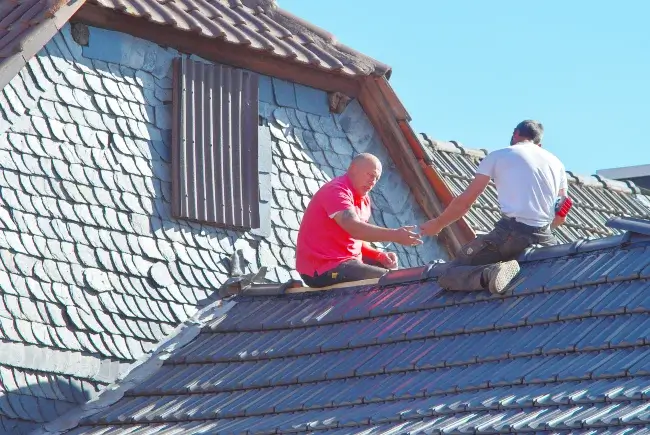
Checking the health of your roof doesn’t have to involve climbing up there with a toolbelt and risking your own safety. In fact, most of the useful stuff can be seen from the ground, from the attic, or by standing on a ladder with a flashlight and a notepad.
Here’s how to actually assess roofing health in a way that helps prevent future headaches.
Start With a Walk Around the House
Look up from the ground. Check for shingles that look warped, lifted, or missing. Notice any dark streaks or patchy areas. Listen for dripping sounds inside during rain, as those might point to hidden leaks.
Check the Gutters
Gutters filled with granules are a sign that your shingles are breaking down. Clogged or sagging gutters let water pool at the edge of the roof, and this moisture leads to mold growth, which affects the structural integrity of the roof edges over time.
Look at Chimneys and Skylights
These areas are common leak zones. Cracked flashing, rust, or gaps around seals are signs that water might already be getting in. Prompt repairs here can prevent bigger problems down the line.
Go Into the Attic
This is where the hidden problems show up. Feel the insulation; if it’s damp or musty, that’s a sign of trapped moisture. Smell the air. Musty odors often mean mold has started to spread. Use a flashlight to check for mold growth or signs of water damage.
Check the rafters and sheathing for stains or dark patches. Water stains can mean minor leaks are getting worse. Even a little exposure here can pose long-term health risks if mold starts growing.
After Every Storm
Storms can pull up shingles or drive rain into places it doesn’t belong. After each storm, give the roof a quick visual check. Look for anything new that wasn’t there before, like limbs on the roof, dented vents, or loose flashing.
Additional Things to Consider During Roofing Projects
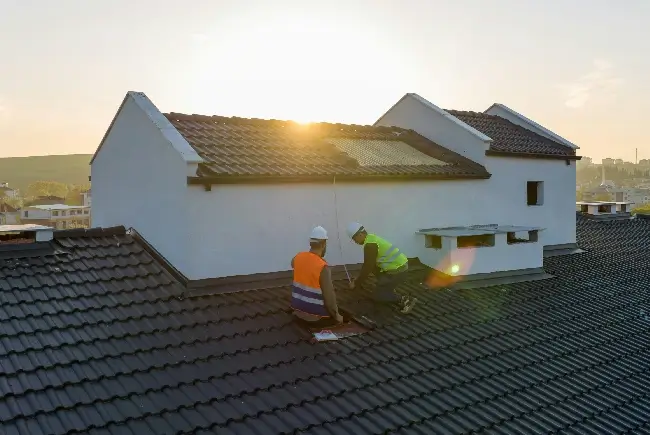
Once the work starts, there’s more to consider than just picking shingles and waiting for the job to finish.
Watch for Hazardous Materials
If the roof is older, there may be lead paint, asbestos, or other hazardous materials that need special handling. Roofing contractors need to follow local regulatory requirements for removal. This protects both workers and building occupants.
Keep Work Areas Safe
Roofing work creates noise, dust, and debris. Make sure work areas are blocked off to keep kids and pets safe. Good roofing companies set up barriers and manage waste properly, keeping the home livable while the process is underway.
Prioritize Proper Ventilation
Proper ventilation helps protect respiratory health and keeps air moving through the attic. It reduces the chances of mold growth and helps the HVAC system work more efficiently.
Use Personal Protective Equipment (PPE)
Roofing workers should wear personal protective equipment (PPE) during installation or repair. This protects against asphalt fumes, sharp edges, heat exposure, and other safety hazards common to the job.
Choose Safe Roofing Materials
Some roofing materials release fewer fumes during installation. Choosing products that meet newer safety standards can contribute to a healthier home environment. Ask your contractor about options that help reduce poor air quality during and after roofing projects.
How to Find the Right Roofing Companies or Roofing Contractor
Look for Proper Licensing and Experience
Experienced roofing contractors follow industry best practices, use quality roofing materials, and follow all regulatory requirements. Maupin Roofing, for example, has been serving Oklahoma City for decades with a strong reputation built on doing things the right way.
Ask About Safety Measures and Training
Roofing involves risks. Make sure the contractor’s team is trained to handle exposure to asphalt fumes, hazardous materials, and steep slopes. Workers should use proper safety harnesses and wear the right PPE on every job.
Get Clear Estimates and Timelines
Good roofing companies provide clear pricing, written estimates, and a breakdown of work methods. They explain the process and the materials used without rushing you through the decision.
Read Reviews and Ask Around
Word of mouth still works. Ask neighbors who they used. Read reviews online. Look for signs that a company took proactive measures during projects and responded quickly to concerns.
Book a Roofing Health Check With the Pros
Staying ahead of roofing problems starts with a good look at what’s happening up top. Taking proactive measures now helps avoid costly surprises later, especially in a place like Oklahoma, where the weather can shift fast. Small issues turn into big ones quickly, and ignoring them only leads to increased risk of leaks, damage, and even health problems inside the home.
That’s why regular inspections and prompt repairs are not just helpful—they’re crucial. If you’re looking for roofing OKC homeowners can trust, Maupin Roofing is here to help.
Remember: a checkup today could save your home tomorrow!

Wind-Resistant Roofing Options for Edmond Homes
If you’ve lived in Oklahoma for any length of time, you know the wind here doesn’t mess around. For homeowners in Edmond specifically, the question
Roof Repair: Hail Damage in Oklahoma City
Hail storms can be devastating, and hail can cause substantial damage to homes, vehicles, and businesses, leading to costly repairs. This article focuses on roof

Sawtooth Roofs: A Modern Look for Contemporary Homes
Lorem ipsum dolor sit amet, consectetur adipiscing elit. Ut elit tellus, lu Walk past a century-old textile factory in New England, and you will likely
Dormer Roofs: Adding Space and Character to Your Home
A dormer roof is a roofed structure that projects vertically beyond the plane of a pitched roof, creating extra headroom and usable floor space within

What Is a Saltbox Roof? | Design Features, Benefits, and Drawbacks
Saltbox roofs aren’t the flashiest trend on the block, but they’ve quietly stood the test of time. Originating in England and brought to the US
Mansard Roofs: Elegant Architecture for Modern and Historic Homes
There’s beauty in function, and mansard roofs’ elegant architecture for modern and historic homes proves it. Designed to maximize attic space and make your home