Opens in a new tab

Roof Maintenance Information Hub

Your Complete Guide to Roof Care

Whether you own a brand-new home or a property that has weathered decades of Oklahoma storms, your roof is the single most critical barrier between your family and the elements. This roof maintenance hub was built to give homeowners, property managers, and first-time buyers a complete, easy-to-follow roof care guide — from basic seasonal tasks to knowing exactly when to call a licensed professional.

FOR OKC Residents

Roof Maintenance

By the time the damage becomes visible inside your home, the repair bill has already grown well beyond what routine maintenance would have cost. This hub exists to help you stay ahead of that curve.

Inside, you will find printable seasonal checklists, a step-by-step inspection walkthrough, cost breakdowns, and expert-backed prevention strategies. Studies consistently show that proactive maintenance can add 10 to 20 years to a roof’s serviceable lifespan — and that regular upkeep prevents roughly 80% of the major damage homeowners face. That is not a small margin. It is the difference between a $300 service call and a $15,000 emergency replacement.

Scroll down to access your free seasonal checklists, or use the sections below to navigate directly to the topic that matters most right now. This resource is updated regularly to reflect best practices for Oklahoma and Texas climates, where hail, high winds, and rapid temperature swings put roofs under unique stress. Bookmark this page and return every season — your roof will thank you for it.

Blogs That Could Help You

Keep On Top Of Roofing Issues

Learn how routine inspections differ from residential care, how to build a maintenance schedule that works around business hours, and how preventive upkeep on a flat roof directly reduces long-term operating costs.

Learn More →

    Your roof doesn’t maintain itself in isolation — it works as part of a connected system that includes gutters, fascia, soffits, and siding. Our home exterior resources help OK homeowners understand how these elements interact.

    Learn More →

    Our new roof installation resources help you recognize when that moment has arrived and what to expect when it does. From choosing the right shingle to timelines, this guide prepares you to make informed decision.

    Learn More →

    Even with a consistent maintenance routine, Oklahoma’s severe weather has a way of creating problems that go beyond routine upkeep. Learn more about roof repairs.

    Learn More →

    Owning a home in Oklahoma means making roofing decisions that balance budget, aesthetics, longevity, and storm readiness — often all at once. Our residential roofing tips section expands on the maintenance fundamentals covered in this hub.

    Learn More →

    Explore More

    Maupin Roofing Info Hubs

    This roof maintenance hub is just one part of a larger library of roofing resources built specifically for Oklahoma homeowners and business owners. Whether you are planning a new installation, dealing with storm damage, or trying to understand how your entire exterior system works together, the guides below will point you in the right direction.

    Roof Maintenance

    A Checklist For Every Season

    A consistent seasonal roof maintenance checklist is the foundation of any effective upkeep plan. Run through these tasks each season. A task that takes 30 minutes twice a year can prevent a repair bill that takes years to recover from financially.

    Spring Roof Maintenance Tasks

    Spring is the most critical season for a thorough spring roof check. After months of freeze-thaw cycles, wind, and ice, winter reveals itself in ways that need immediate attention before summer heat sets in.

    Spring Checklist:

    • Clear all debris from roof surface and valleys
    • Inspect shingles for cracking, curling, or missing sections
    • Check flashing around chimneys, vents, and skylights
    • Clean and flush gutters and downspouts
    • Inspect attic for moisture, mold, or daylight penetration
    • Trim overhanging branches within 10 feet of the roof
    • Look for algae or moss growth and treat if present
    • Confirm soffit and ridge vents are clear and functional
    worker installing gutter guards
    residential roof maintenance tips for longevity

    Tools Needed for Spring Inspection

    You do not need to get on the roof to conduct a thorough homeowner inspection. The right roof inspection tools let you assess condition safely from the ground and attic:

    • Extension ladder with stabilizer attachment
    • Binoculars or zoom camera
    • Safety harness (if accessing roof surface)
    • Work gloves
    • Flashlight or headlamp
    • Notepad and phone for documentation
    • Moisture meter (optional but useful)

    Safety note: Never walk on a wet, icy, or steeply pitched roof without proper equipment and a spotter on the ground. Most homeowner inspections can and should be conducted from a ladder at eave level or from the attic interior.

    Fall Roof Maintenance Essentials

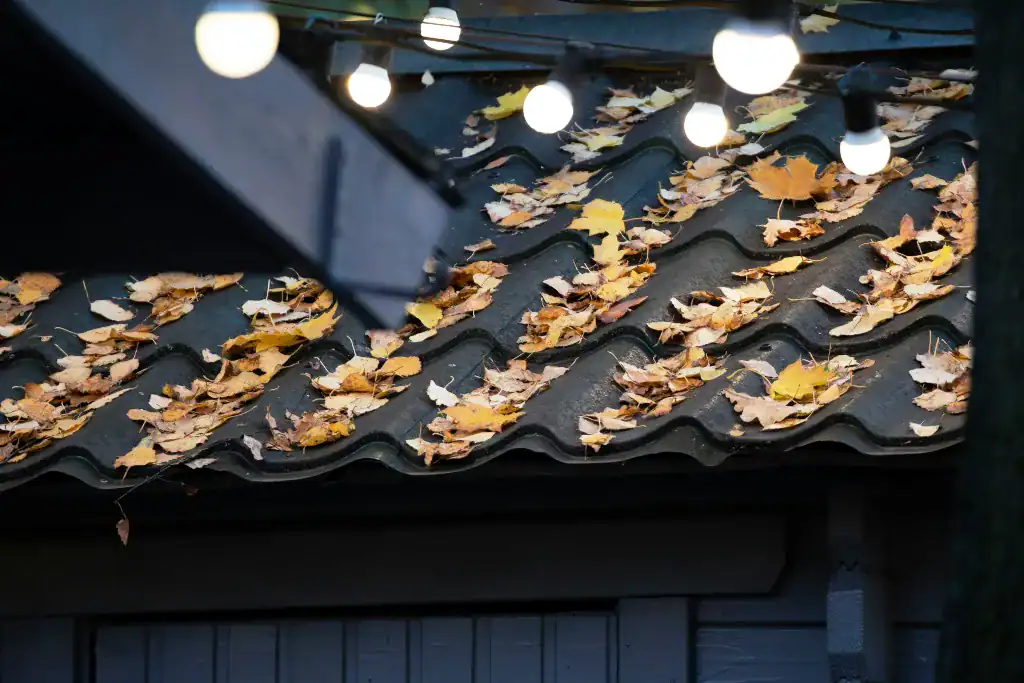
    Fall is your last opportunity to address vulnerabilities before winter weather arrives. Fall roof prep focuses on two priorities: clearing the roof of leaf debris that traps moisture, and sealing every potential water entry point before temperatures drop.

    Fall Checklist:

    • Remove fallen leaves from roof surface and gutters
    • Inspect shingles and flashing before winter storms
    • Seal any open gaps around chimneys and vents
    • Install gutter guards if not already in place
    • Check attic insulation to prevent ice dam formation
    • Schedule a professional inspection before peak storm season

    Pay particular attention to valleys — the angled channels where two roof planes meet — as leaf accumulation here creates prolonged wet conditions that accelerate shingle breakdown. Schedule any needed repairs at least six weeks before the first anticipated freeze to allow sealants to fully cure.

    Fall Roof Maintenance Essentials

    Exterior Inspection Checklist

    Step-by-Step Roof Inspection Guide

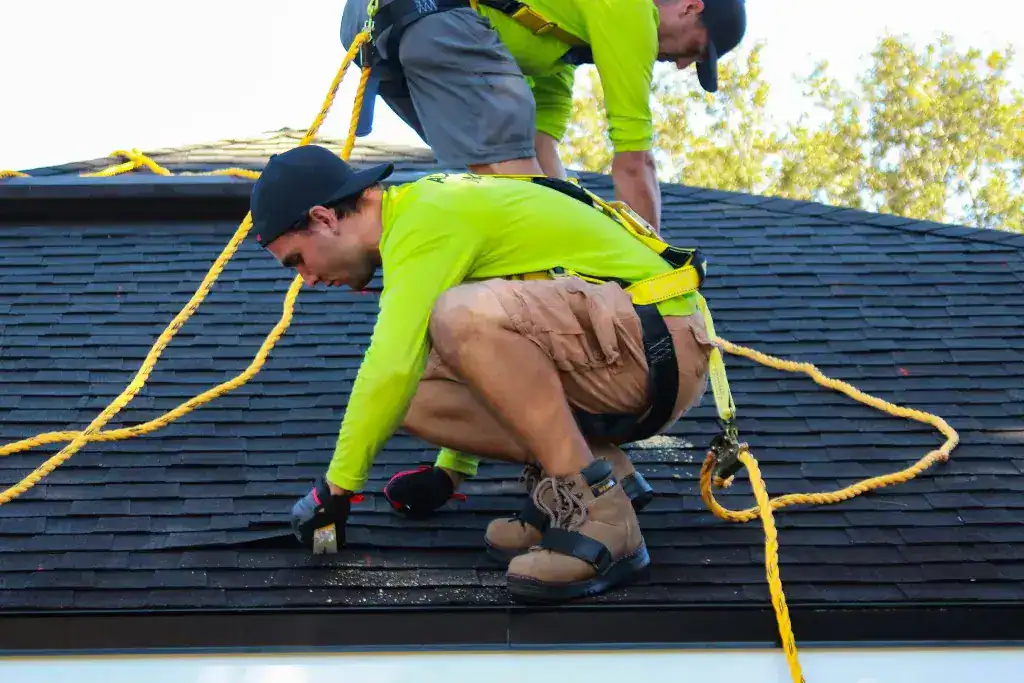
    A thorough DIY roof inspection follows a structured sequence covering both the exterior surface and the interior of your home. Plan to spend 45 minutes to an hour on a complete inspection. The goal is identifying early-stage problems before they become expensive ones.

    roofer inspecting a commercial building's bur system
    • Ridge line
      Check for sagging, displaced ridge cap shingles, or open gaps at the peak.
    • Shingles
      Look for curling edges, cracked tabs, missing sections, or dark patches indicating granule loss. Check gutters for granule accumulation as a secondary sign.
    • Flashing
      Inspect all metal flashing at chimneys, dormers, skylights, and pipe boots. Look for rust, lifted edges, or gaps in sealant.
    • Valleys
      Open valleys should have clean, unobstructed metal lining. Closed valleys should show no cracked or misaligned shingles.
    • Gutters and Fascia
      Check for rust staining, granule buildup, sagging, or detachment from the fascia board.
    • Vents and Pipes
      Confirm all roof penetrations have intact boots and no visible gaps in surrounding sealant.

    Interior Warning Signs

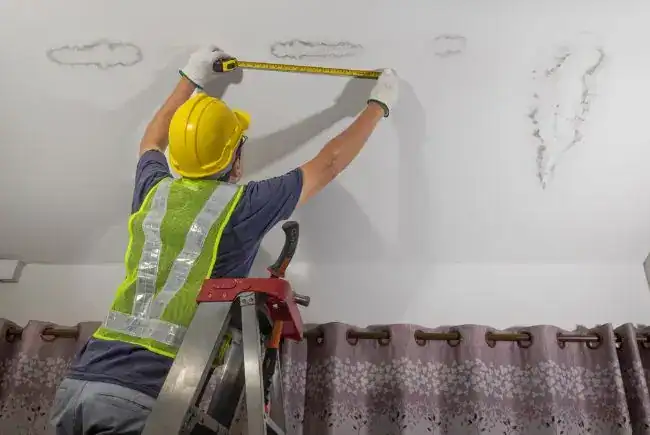
    Many homeowners skip the attic, but roof leak signs inside often appear here before damage shows on ceilings below:

    professional attending to interior damage of leaking roof
    • Water stains or dark streaking on rafters or sheathing
      signs of active or past moisture infiltration
    • Daylight visible through roof boards
      any light penetration means gaps that allow water entry
    • Musty odors
      a strong indicator of mold developing in insulation or wood framing
    • Sagging ceiling drywall in living areas
      often the last sign to appear; damage is already significant by this point
    • Frost or ice on attic framing in winter
      signals poor ventilation allowing warm, moist air to escape from living spaces

    Roof Maintenance

    Costs and Savings

    Understanding roof maintenance costs puts the investment in perspective. Most homeowners overestimate annual upkeep costs and dramatically underestimate the cost of doing nothing.

    Service

    Typical Cost

    vs. Neglect

    Professional inspection

    $300 – $500/year

    Prevents $3K–$15K in repairs

    Gutter cleaning (pro)

    $100 – $250 (2x/year)

    Prevents fascia rot and leaks

    Minor flashing repair

    $200 – $500 as needed

    Prevents $2K+ water damage

    Moss/algae treatment

    $150 – $400 every 2–3 years

    Prevents shingle degradation

    DIY seasonal checklist

    $0 – $50 quarterly

    Catches issues early

    Annual total estimate

    $200 – $600

    vs. $8K–$20K+ replacement

    The return on investment for proactive maintenance is among the highest of any home improvement category. A well-maintained roof also supports a higher appraised home value and can reduce homeowner’s insurance premiums with carriers that reward documented maintenance history.

    Essential Roof Maintenance Tasks

    How to Clean Your Roof Safely

    Routine upkeep goes beyond inspections. These roof cleaning tips and minor repair tasks are the hands-on work that keeps your roof in peak condition between professional visits.

    Cleaning is one of the most impactful maintenance tasks for extending shingle life and preventing algae-related deterioration. The right approach for safe roof cleaning depends on your material:

    Asphalt shingles

    Use a low-pressure garden hose or a 1:1 bleach-water solution with a soft-bristle brush. Never use a power washer — the pressure strips granules and voids most warranties.

    Metal roofs

    Mild detergent and a low-pressure rinse. Check manufacturer guidelines for approved products. Focus on preventing standing water in seams.

    Tile roofs

    Manual debris removal is preferred. Chemical treatments work for algae, but walk carefully — tile is brittle and improper foot placement causes cracking.

    For moss and algae, zinc strip installations at the ridge prevent regrowth long-term by releasing zinc oxide during rainfall. This is one of the most cost-effective preventive installations available to homeowners.

    Faqs

    Frequently Asked Questions

    Routine upkeep goes beyond inspections. These roof cleaning tips and minor repair tasks are the hands-on work that keeps your roof in peak condition between professional visits.

    When to Hire Professional Roofers

    Knowing when to hire a roof maintenance professional is as important as knowing what you can handle yourself. Certain conditions require licensed expertise for both safety and warranty preservation.

    After any severe Oklahoma thunderstorm or hail event, schedule a professional inspection within 30 days. Many insurance policies have claim filing windows, and documentation by a licensed roofer is typically required to process a claim successfully.

    When selecting a contractor, verify state licensing, request proof of liability and workers’ compensation insurance, and ask for references from jobs completed in your area. Local roofers familiar with Oklahoma’s wind and hail patterns provide better storm-specific assessments than out-of-state crews that follow large weather events.