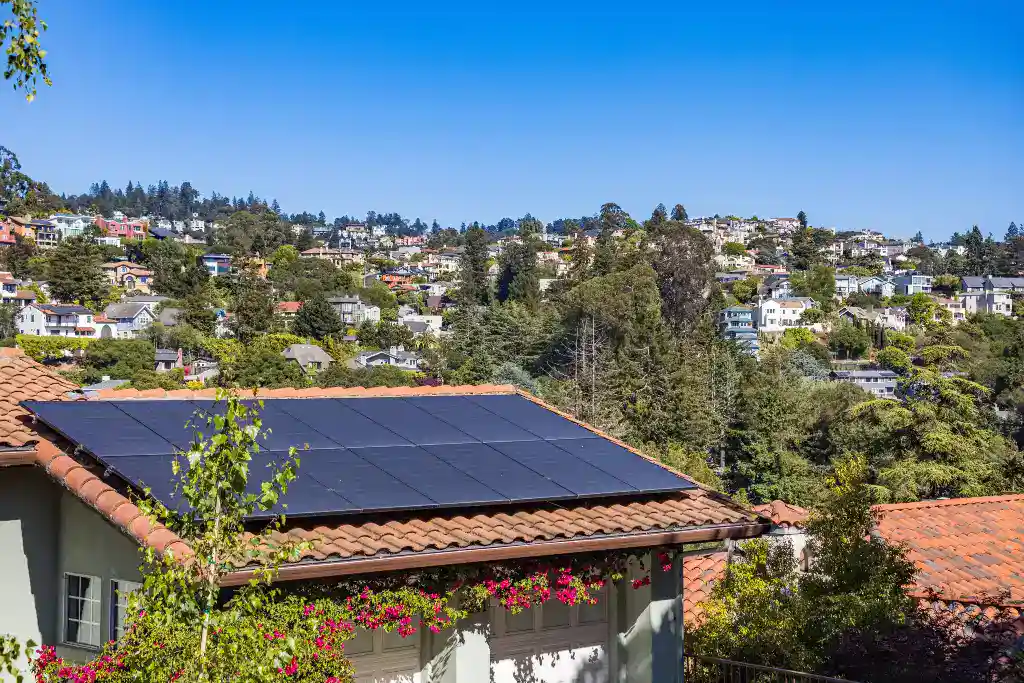
Solar has changed the way many homeowners think about the roof. It still protects against Oklahoma heat, hail, wind, and rain, but with solar panels, it can also become part of a larger energy system. That is why battery storage and roof compatibility deserve attention before adding new equipment.
Battery storage lets a home hold excess solar energy instead of sending all of it back to the electrical grid. That stored energy can be used later in the day, during a power outage, or when electricity costs are higher. For some homeowners, the goal is energy independence and reducing reliance on fossil fuels.
The roof, solar array, inverter, electrical equipment, and battery storage systems all need to work seamlessly. At Maupin Roofing, we look closely at the roofing side of that equation. If your roof is aging, damaged, or due for replacement, it makes sense to address that before investing further in solar and battery equipment.
What Does Battery Storage and Roof Compatibility Really Mean?
Battery storage and roof compatibility can sound as if the battery belongs on the roof. Usually, it does not. Battery systems are generally installed in an approved garage, utility room, exterior location, or other suitable space. The roof matters because it supports the residential solar panels that generate the solar power used to charge the battery.
The panels collect solar energy, an inverter converts the electricity, and the battery bank stores surplus energy for later use.
Compatibility depends on the existing solar system, inverter type, battery model, electrical service, available roof space, and the homeowner’s energy goals. Most modern lithium-ion battery systems include a Battery Management System, or BMS, that monitors charging, discharging, temperature, and other operating conditions.
Start With the Condition of the Roof
Before you install battery storage or expand a solar array, look at the roof underneath the panels. A solar plus storage system works best when the roof is ready for the long term. Solar panels can remain in service for decades. The U.S. Department of Energy reports that the average operational lifespan of a solar panel is about 25 to 35 years, so installing panels over a roof that may need replacement soon can create unnecessary work later.
At Maupin Roofing, roof condition is where we can help most directly. For homeowners comparing roofing companies in Oklahoma, our residential roofing work includes inspections, repair, replacement, installation, and maintenance. Worn shingles, soft decking, storm damage, flashing problems, or active leaks should be considered before additional solar work moves forward.
The roofing material also needs to be compatible with the mounting hardware used for the panels. Attachments must be installed correctly so the roof can continue shedding water while supporting the solar array.
Roof age matters too. If replacement is already on the horizon, completing that work first may be more cost-effective than removing and reinstalling panels later. A sound roof with plenty of life remaining may simply need inspection and routine care.
Roof Space, Sunlight, and Solar Energy Production
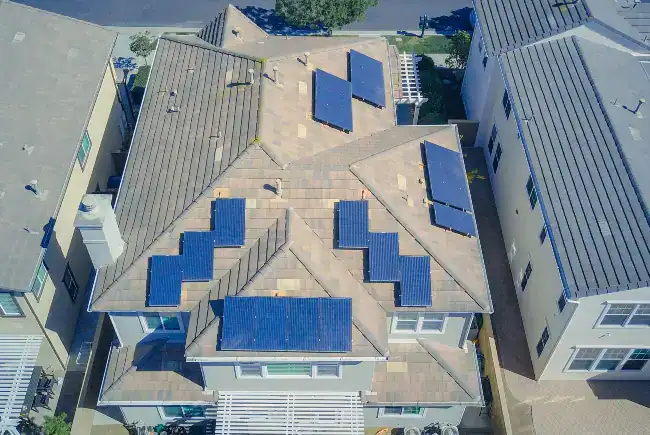
For homeowners who want to store their own solar energy, the amount of power available for charging depends heavily on how much the solar system produces.
Good sun exposure may let panels cover daytime energy use while creating excess solar energy for storage. Heavy shade, a smaller roof, or limited panel capacity may leave less surplus energy for the battery on a sunny day.
A smaller solar array does not rule out battery storage. It may simply change the battery size that makes sense based on household electricity use and backup power goals. Someone who wants to keep a refrigerator, lights, and a few outlets running may need a different setup than someone hoping to provide power to the entire home during outages.
Future expansion matters, too. Homeowners planning to add electric vehicles, more panels, or larger electrical loads should discuss those plans before choosing storage systems.
Your Inverter Can Be Just as Important as Your Roof
The inverter is a critical part of integrating battery storage.
Solar panels produce DC electricity. Most household equipment runs on AC power. The inverter handles that conversion from DC power to usable electricity. A system may use a string inverter, traditional inverters, panel-level microinverters, or a hybrid inverter that manages both solar and storage.
Unlike a traditional grid-tied inverter designed primarily for solar, a hybrid inverter can manage both solar generation and compatible battery storage through one inverter. That can make future expansion or battery integration easier when compatible equipment is selected.
In a hybrid or DC-coupled system, battery voltage, communication protocols, and inverter specifications must be compatible. AC-coupled batteries typically use a separate battery inverter, which changes those compatibility requirements. Simply choosing a battery with enough storage capacity does not guarantee that it will be compatible with an existing solar system.
AC-Coupled and DC-Coupled Battery Systems
There are two common ways to connect solar and battery storage.
In a DC-coupled arrangement, solar power can charge the battery before conversion to AC. A charge controller or hybrid inverter may manage that flow, which often makes sense when solar and battery equipment are planned together.
AC coupling is often considered when solar is already installed. The existing system continues producing AC electricity while separate battery equipment manages charging and discharging. It can reduce the need to redesign the entire system, although compatibility depends on the products involved.
The tradeoff is efficiency. Because electricity may go through additional AC-to-DC and DC-to-AC conversions, an AC-coupled setup can lose a little more energy along the way. For an existing solar system, though, the easier retrofit can make that tradeoff worthwhile.
Neither design is automatically best for every home. Efficiency, equipment age, backup goals, budget, and monitoring capabilities all matter. Most systems should be evaluated as a complete package rather than by one component alone.
What Happens During a Power Outage?
One of the biggest reasons people consider energy storage is battery backup and reliable battery power. Solar panels by themselves usually will not keep a grid-connected home powered during an outage. For safety, most standard grid-tied systems shut down when utility power goes out.
A properly designed battery backup system can isolate the home or selected circuits from the electrical grid and provide power from stored energy. How much power is available depends on battery capacity, the loads being served, and the system configuration.
Some battery storage systems support essential circuits, while others can support more of the entire home. Off-grid systems need even more planning because solar and battery equipment must cover energy needs without normal grid support.
Expectations matter. A battery that handles lights, internet equipment, and refrigeration during outages may not be sized to run every appliance and high-demand device at once.
Where Should Battery Storage Systems Be Installed?
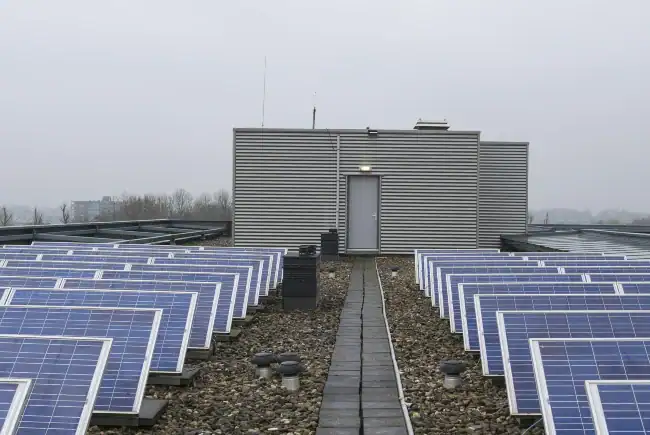
The battery may not go on the roof, but its location still requires planning. Many lithium-ion batteries used for residential energy storage have manufacturer requirements for clearance, temperature, weather exposure, and mounting.
Depending on local requirements, storage may be installed in a garage, utility room, or approved exterior location. Installers also account for electrical equipment, access, wiring routes, and fire safety.
Electrical integration should be handled by qualified electrical professionals. In Oklahoma City, rooftop solar installations require permitting, and the City requires an electrical contractor license for solar-panel permit submissions. Battery installations may involve additional electrical or code requirements depending on the project.
Roofers, solar professionals, electricians, and battery installers each handle a different part of the project. At Maupin Roofing, our role is to make sure the roof is ready to protect the home and support the solar installation.
Think About How You Actually Use Energy
The best battery is not necessarily the largest one. It is the one that fits the home’s energy use and goals.
Review utility bills and when the household uses the most electricity. If solar production is high during the day but energy use rises in the evening, stored energy can shift solar power into those later hours and may help manage electricity costs.
Some homeowners want sustainability benefits; others want backup power or more energy independence. Some may eventually join a virtual power plant program where available. Different goals lead to different storage systems.
Plan the Roof and Energy System Together
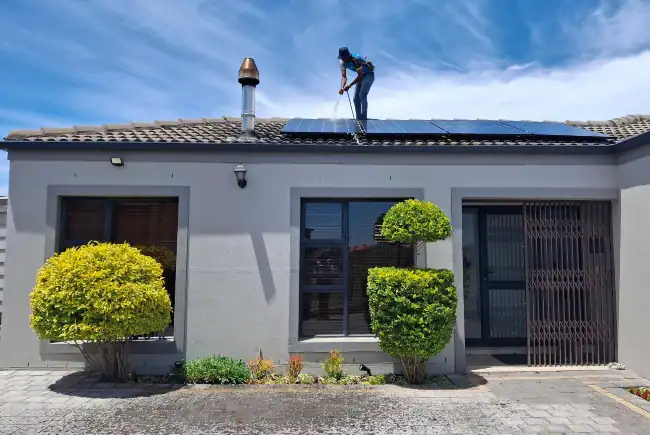
If you are considering residential solar panels, battery storage, or both, it is better to plan the roof and electrical equipment as one system before installation.
The roof should be sound and have enough usable space for the planned solar array. Panels should be positioned for practical solar production. The shingles and mounting hardware need to work together, while inverters and battery systems must be electrically compatible. The electrical system also has to safely control power moving between solar, storage, the home, and the grid.
Monitoring capabilities can show panel output, storage levels, and when stored energy is used.
At Maupin Roofing, we can help homeowners understand the condition of the roof before solar equipment is added or expanded. If repairs or replacement are needed, taking care of them first gives the energy system a better foundation and can help avoid disturbing the solar installation later.
Is Battery Storage Right for Your Roof and Home?
For many homeowners, integrating battery storage makes sense when the roof is sound, the solar system produces enough energy, and backup or sustainability goals justify the equipment.
Start with the roof. Check for hidden damage, aging material, or an upcoming replacement. Then evaluate the inverters, battery, available space, control equipment, and future expansion plans.
Battery storage and roof compatibility are really about making every part work together. When the roof, panels, inverters, battery, and electrical system are planned as one system, homeowners are better positioned to use renewable energy efficiently, prepare for outages, and get more value from the solar already installed.
If your roof needs attention before solar and battery storage moves forward, Maupin Roofing can assess its condition and recommend repair or replacement when needed. Just contact us at 405-703-3843, and we’ll help you build a dependable roof that serves as both a strong and an efficient foundation for everything above your home.