After a windy Oklahoma night, you might find a shingle in the yard but have no way to see the far side of your roof. That is where drone roof inspections can help.
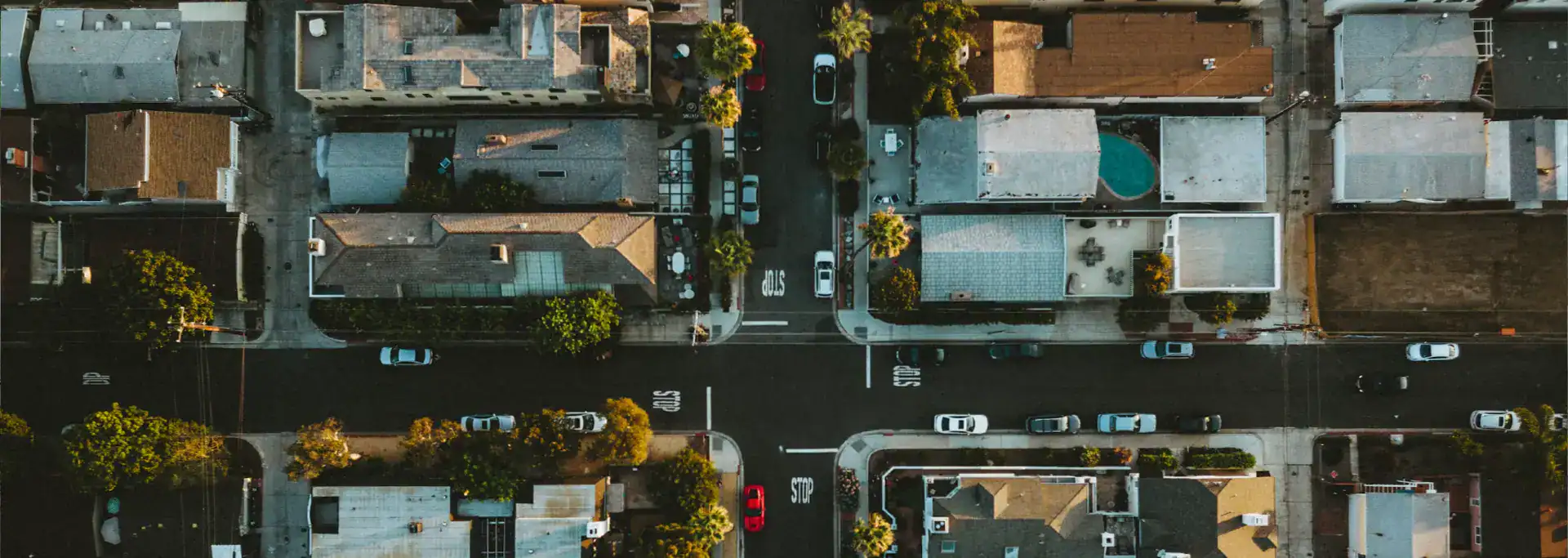
A drone can capture detailed images of places that are difficult to see from the ground. A roofing professional reviews those images alongside the age and history of the building.
At Maupin Roofing & Construction, we care about the answer behind the picture: Does this roof need a repair or closer testing? We serve homeowners and businesses across the Oklahoma City area with roof inspections, repairs, maintenance, and replacements. For commercial assessments, our team also uses drone photography and infrared imaging when the project calls for them.
Here is what an aerial inspection can show and when it makes sense for your Oklahoma property.
What Is a Drone Roof Inspection?
A drone roof inspection uses an aircraft with high-resolution cameras to photograph the roof from useful angles. Instead of asking an inspector to physically climb every slope, a roof inspection drone gathers visual data that can be enlarged and documented.
The images are useful, but a drone cannot diagnose a leak. A trained roofing professional has to assess roof conditions and interpret the inspection data. A photograph might show a displaced shingle but cannot tell you exactly what is happening below the surface.
For Maupin, the goal of detailed roof inspections is to support a useful decision. If images raise questions about hidden damage, we can recommend a hands-on look before anyone commits to a larger project. If repairs or replacement are needed, we can also discuss roofing materials and installation details that affect wind resistance.
How Does a Drone Roof Inspection Work?

This step-by-step guide describes the usual process. The approach depends on the roof, weather, and your concerns.
Planning the Visit and Flight
The inspector asks what you have noticed: a ceiling stain, missing shingles, or standing water. They consider critical areas such as flashing and drains. A drone pilot checks airspace, wind, and lighting conditions before making a flight plan. The flight path should get useful views without putting people or property at risk.
In the United States, paid drone flight is subject to FAA commercial rules. The operator should be qualified to do that work; a good roofing assessment also needs someone who understands roofs. Those may be two different people.
Capturing and Reviewing Images
During the drone flight, a drone equipped with a camera takes overview shots and closer images. Camera settings, shadows, and glare affect what is visible. High-quality images need the right angle. On larger jobs, drone roof inspection software may organize photos or help with roof measurement and data processing.
After data collection, a roofer reviews the drone data alongside ground-level observations. A useful report explains what appears concerning and what needs to be verified in person. At Maupin, we want owners to understand the roof inspection work before deciding on a repair or replacement.
What Can Drone Inspections Reveal?

On a sloped residential roof, high-resolution images may show missing shingles, lifted edges, exposed underlayment, damaged ridge caps, or debris left by a storm. Close views can help identify issues near skylights, vents, and chimney flashing. They may also reveal clogged gutters, which Maupin can repair or replace as part of our exterior services.
Commercial roof inspections have different priorities. Aerial views can highlight pooling water, blocked drains, questionable seams, or debris. Property managers can use detailed imagery to track changes and plan a closer manual inspection where needed.
The roofing material changes what a camera can show. A loose tile, dented metal panel, and stressed membrane do not look alike. An image may suggest roof damage without showing its extent. That is why Maupin pairs documentation with roofing knowledge when discussing repairs or replacement.
What About Thermal Imaging?
Some inspections use thermal cameras to collect thermal data alongside photos. Thermal imagery can reveal temperature differences invisible to the naked eye that may suggest trapped moisture, insulation gaps, heat loss, or other insulation issues. They are clues, not proof of hidden leaks or water intrusion.
Sun exposure, recent rain, and roof construction affect the reading. Advanced sensors do not replace expert interpretation or appropriate moisture testing. Maupin uses infrared imaging and core sampling in commercial assessments, where confirming a concern can affect a repair-versus-replacement decision.
Why Use a Drone Instead of Traditional Methods?
There are good reasons to keep feet off a roof when possible. A steep slope, brittle tile, or an area weakened by storm damage can pose significant risks. A drone can inspect roofs from a safer position and photograph sections that are hard to reach with a ladder. That is especially useful after severe weather events, when the condition of the surface is still uncertain.
Owners can revisit a dated photo and compare it with later findings. For a business, that record helps organize maintenance. For a homeowner, it makes a proposed repair easier to understand.
Drone inspections can be faster than traditional methods while reducing the need to walk a risky roof. They can sometimes lower inspection costs by reducing access equipment or labor costs. They do not always save money: a small roof may be simpler to examine using traditional inspections, and follow-up testing adds to the job.
What Are the Limits of an Aerial Roof Inspection?

A drone sees the exterior surface. It cannot lift a shingle, feel a soft deck, examine an attic, or trace a stain through several layers of a building. Even an excellent camera may miss a small defect hidden by an overhang or a piece of equipment. A roof that looks tidy from above can still have trouble below its covering.
That is why we would not treat aerial photographs as a substitute for every manual inspection. If water appears indoors, the source could be at a wall junction, around flashing, or far from the spot where it finally drips. A roofer may need to check the attic, inspect accessible details by hand, and look at previous repairs. A suspicious thermal pattern also needs to be checked before anyone calls it moisture damage.
This matters for insurance claims and roof certification. Photographs document visible conditions but cannot guarantee claim approval or satisfy every insurer or lender. Ask what documentation is required. At Maupin, we help document storm-related concerns; the insurer decides coverage.
When Is a Drone Roof Inspection Worth Considering?

After an Oklahoma hailstorm or high-wind event, an aerial view may help locate visible trouble before someone walks a questionable roof. It can also establish a record before and after a repair. If you see water stains, do not wait for the next scheduled flight; call for a roof inspection so a professional can look for the source and help prevent more damage.
For commercial buildings, repeatable photos help property managers budget for maintenance and compare roof conditions. Maupin provides commercial repair, maintenance, and installation services, so those findings can start a practical conversation about repairs, upkeep, or whether the existing system needs a closer assessment.
Home inspectors and real estate agents may find images useful during home inspections, while explaining their limits. Planning solar panels? An aerial view can document visible roof conditions and obstacles before solar panel installation. It cannot replace a roofing assessment or any structural or infrastructure inspections the project requires.
How Much Does a Drone Roof Inspection Cost?
There is no single drone roof inspection cost for every property. National consumer guides commonly quote around $150 to $400 for an average residential drone assessment. Larger or more complex roofs can increase flight time and the work needed to review the images, which may raise the inspection cost. A commercial building or a request for thermal imaging and detailed reports can cost more. Those are published market examples, not Maupin prices.
Ask what the quote includes: image collection alone, a roofer’s analysis, annotated photos, measurements, or a follow-up visit. Some contractors include aerial photos in a broader roofing assessment or provide a free estimate for proposed work. Maupin advertises free roof inspections and estimates; ask our team what the assessment for your specific property will involve. A free estimate, a paid independent report, and a formal roof certification are different services. If a lender or insurer requests roof certification, ask whether it carries a separate fee. One national pricing guide lists an additional $75–$200, but requirements and local prices vary.
Check who will interpret the photos. A flight alone is different from an assessment, and expensive technology does not automatically produce more accurate data.
How Do You Choose the Right Inspection Provider?
Start with the question you need answered. If your concern is a leak, ask whether the provider can examine more than the outside surface. If you manage a commercial building, ask how they document seams, drainage, and previous problem areas. For a storm-related claim, ask for dated photos and a clear description of visible findings.
Ask who pilots the aircraft and who reviews the roofing details. Commercial drone operators must follow applicable flight rules, but a commercial drone pilot is not automatically a roofing specialist. Even the best drones cannot make up for poor angles. Safe operation and sound interpretation both matter to drone roof inspection work.
If you are looking for the best roofing company in OKC, our team can explain the findings and the repair options clearly. At Maupin, we would rather recommend a closer look than make a confident claim from an incomplete image.
Drone Roof Inspection FAQs
Can a drone find the source of a roof leak?
It can show visible clues, such as displaced roofing or a concern near flashing. It cannot reliably confirm every source of water intrusion. Hidden leaks may require attic access, hands-on checks, or additional testing.
Is a drone inspection as thorough as walking the roof?
It depends on the concern. A drone can provide wide coverage and detailed images without walking a fragile surface. A roofer may still need direct access to check fastening, membrane seams, soft areas, or concealed conditions. Often the two approaches work together.
Can drone photos help with an insurance claim?
They can document visible storm damage and give an adjuster useful context. The insurance industry has its own documentation and coverage requirements, so photos alone do not guarantee a claim will be accepted. Maupin can discuss the visible damage and the repairs your roof may need.
Do all roof inspections need thermal cameras?
No. Ordinary photos may be enough to document missing shingles or a blocked drain. Thermal imaging is most useful when the roof type, conditions, and question being investigated make temperature differences meaningful. Any suspicious pattern should be checked before it becomes a diagnosis.
How long does an inspection take?
The aerial portion of a straightforward residential inspection can often be completed in under an hour, but that is not a promise for every roof. Site checks, collecting data, data processing, image review, and any hands-on follow-up add time. A larger or more complex property may need a longer visit.
Can a drone inspect a roof in every season?
Not necessarily. Coastal properties may schedule checks around hurricane season; in Oklahoma, hail and high-wind events are the more relevant triggers. Rain, high winds, poor visibility, and airspace restrictions may delay a flight. After a major Oklahoma storm, wait until conditions are safe before arranging an inspection.
Start With the Roof, Not the Gadget
Good inspection technology helps when it gives you a clearer answer. If your Oklahoma City area property has taken a hit from hail, wind, or age, Maupin Roofing & Construction can explain your options. We handle residential and commercial roof inspections, repairs, maintenance, and replacements, along with exterior work such as gutters. Tell us what you have seen, and contact us at 405-703-3843 to discuss the most useful way to inspect your roof.