It’s amazing how much a roof upgrade can change the way a building feels inside. TPO roofing energy efficiency is a perfect example of that. It gives you excellent performance, exceptional value, and steady comfort during the hottest stretch of the year. And when it’s time for an efficient TPO roof installation, many businesses turn to our team at Maupin Roofing.
Curious if TPO roofing might be a great choice for you? Learn more about it below.
Related Article: Sawtooth Roofs: A Modern Look for Contemporary Homes
What Is TPO (Thermoplastic Polyolefin)?
TPO stands for thermoplastic polyolefin, and it’s one of the most widely used single-ply roofing membranes in today’s commercial roofing industry. At its core, TPO is a flexible, durable sheet made from a blend of polypropylene and ethylene propylene rubber. That blend is what gives the membrane its strength, heat resistance, and long service life on flat roofs and low-slope buildings.
TPO was originally developed as a more energy-efficient alternative to traditional roofing materials. The membrane’s light color creates a reflective surface that pushes back a large percentage of sunlight and UV radiation instead of absorbing it into the building. That simple advantage supports lower heat absorption, steadier indoor temperatures, and reduced cooling costs for businesses that deal with extreme heat during Oklahoma summers.
Why Choose TPO Roofing Systems With Energy Efficiency for Your Commercial Building?
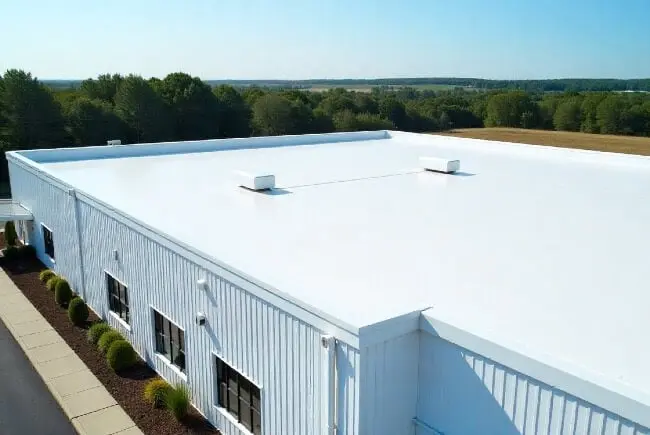
Commercial buildings in Oklahoma see plenty of extreme heat, sunlight, high winds, and seasonal weather shifts. A roofing system has to handle all of it without wearing down too quickly or sending your energy bills through the roof. TPO roofing systems were designed with those challenges in mind. Built from thermoplastic polyolefin, a TPO membrane works as a single-ply membrane that reflects sunlight, limits heat absorption, and supports energy-efficient roofing systems on flat roofs and low-slope structures.
Below, we break down the major benefits business owners see after choosing TPO roofing.
1. Energy Savings
Energy savings are one of the biggest reasons businesses switch to TPO membranes. Because TPO offers a reflective surface, it pushes back a large percentage of UV radiation instead of absorbing it into the roof deck. That means the interior of your building stays cooler for longer periods, reducing how often your HVAC system cycles on throughout the day.
For a commercial facility with large square footage, even a slight reduction in energy consumption makes a noticeable difference. Many business owners tell us they switch to TPO primarily to reduce cooling costs in summer, and the difference becomes obvious once the first round of energy bills arrives after installation. Ultimately, the better your roof is at reflecting sunlight, the less strain your HVAC system experiences. Lower strain usually means less maintenance, fewer repairs, and a longer service life for your equipment. That adds up to saving money in more ways than one.
2. Lower Heat Absorption and Lower Cooling Costs
Heat absorption is a major factor in how much a building pays in energy costs each year. Traditional roofing materials tend to hold heat, especially darker surfaces that soak up sunlight all day. A TPO membrane does the opposite. Its reflective surface keeps rooftop temperatures significantly lower, even during extreme heat.
This matters for Oklahoma businesses because the sun can drive roof temperatures high enough to affect indoor comfort. When your roof is cooler, your indoor spaces stay stable. Your HVAC system doesn’t have to “catch up” every afternoon, and the steady temperature helps minimize fluctuating energy usage.
3. Cost-Effective
TPO’s cost-effectiveness is another reason it has become a go-to roofing solution for commercial buildings. The material itself is reasonably priced compared with other roofing membranes, and because it is lightweight and available in wide rolls, the installation process tends to be faster.
TPO can be installed as:
- mechanically fastened,
- fully adhered, or
- mechanically attached with insulation and cover board systems.
These installation options give building owners flexibility depending on budget, structure, and roofing needs. Add in lower energy bills, fewer HVAC issues, and reduced long-term maintenance, and TPO often becomes one of the most cost-effective upgrades a business can make to its building.
4. Environmentally Friendly
A growing number of businesses want roofing materials that help reduce their environmental footprint. TPO supports that goal in several ways. First, since it reflects sunlight and limits heat absorption, it naturally reduces energy consumption throughout the building. That lighter load on the HVAC system lowers long-term energy usage, emissions, and the overall environmental impact of the property.
Second, the manufacturing process for TPO avoids certain chemicals used in other materials, and some TPO roofing membranes are recyclable after their service life ends. For building owners seeking roofing solutions that support environmental benefits without sacrificing performance, TPO is a smart choice.
5. Low Maintenance
A commercial roof should not be something you constantly worry about. One of the standout benefits of TPO is its low-maintenance design. The membrane resists dirt, mold, algae, and many common rooftop issues that affect traditional roofing materials. Due to seams being heat-welded, they form strong, durable bonds that stand up well to high winds and various weather conditions. This reduces the risk of leaks and extends the overall service life of the roofing system.
Most TPO roofs only require simple periodic inspections, basic cleaning, and occasional repairs over time. For busy building owners who already handle plenty of day-to-day responsibilities, TPO can provide peace of mind knowing the roof will not demand constant attention.
Comparing TPO With Other Commercial Roofing Material Alternatives
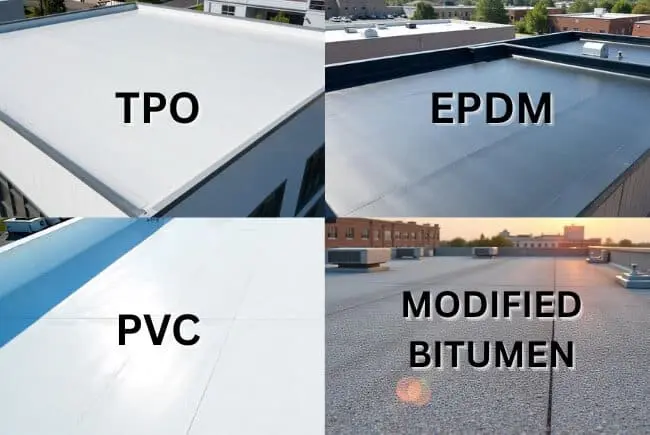
How does TPO stack up against other commercial roofing materials? Below, we compare TPO with EPDM, PVC, and modified bitumen. Each option has strengths, but the differences become clear once you look at heat performance, durability, installation, and cost effectiveness.
1. EPDM (Ethylene Propylene Rubber)
EPDM (ethylene propylene rubber) is another popular choice in single-ply roofing. It offers strong durability and a long history of reliable performance. However, EPDM’s major drawback is heat absorption. Most EPDM membranes are dark, which means they hold heat rather than reflecting sunlight.
That heat increase leads to higher cooling costs and greater strain on the HVAC system. While EPDM is cost-effective upfront, its impact on energy usage often outweighs the initial savings, especially in hot climates like Oklahoma. However, EPDM does perform well in colder regions where absorbing heat is a benefit. But for a commercial property in the OKC area, TPO generally offers better energy efficiency and long-term value.
2. PVC Roofing
PVC is another single-ply roofing material known for chemical resistance, durability, and strong performance in tough environments. If your commercial facility deals with grease, oils, or chemical exposure (such as restaurants or industrial buildings), PVC may offer advantages over other roofing membranes.
PVC also reflects sunlight, though not always as well as high-quality TPO. The downside is the upfront price. PVC typically costs more than TPO or EPDM, and the installation process can be more labor-intensive. For building owners needing high chemical resistance, PVC is a dependable option. For general energy efficiency, cost effectiveness, and broad-use performance, TPO is often the better long-term choice.
3. Modified Bitumen
Modified bitumen is a multi-layer roofing system often found on older commercial buildings. It handles foot traffic well and delivers strong durability. However, it is heavier, often requires more labor to install, and does not offer the same energy efficiency as single-ply roofing membranes.
Since modified bitumen roofs absorb more heat, cooling costs may rise compared with reflective membranes like TPO. Over time, the financial difference between absorbing and reflecting heat can become substantial for large buildings.
Summarized Table
| Roofing Material | Energy Efficiency | Cost Effectiveness | Durability | Heat Performance | Best For |
|---|---|---|---|---|---|
| TPO(thermoplastic polyolefin) | High, reflective surface, reduces energy consumption | Strong long-term value, efficient installation | Long service life with low maintenance | Excellent in extreme heat and sunlight | Most commercial properties, energy savings, businesses seeking efficiency |
| EPDM(ethylene propylene rubber) | Low due to dark surface | Affordable upfront | Durable but absorbs heat | Higher cooling costs | Cooler climates or tight budgets |
| PVC | Good heat resistance, reflective options available | Higher upfront cost | Strong chemical resistance | Good UV resistance | Facilities with chemical exposure or grease |
| Modified Bitumen | Moderate, lower efficiency | Installation costs vary | Durable and rugged | Absorbs more heat | Older buildings, high foot traffic |
Start Saving on Energy With a Smarter Roof Installation
TPO is built for energy savings, strong performance, and steady protection against wind uplift. If you want commercial roofing in OKC that actually lowers your long-term costs, our team can walk you through the best TPO setup for your building.
Reach out today at 405-703-3843 and let’s talk about your energy goals!
From flat roof systems to TPO membrane installations, our Commercial Roofing Information Hub covers everything Oklahoma City business owners and property managers need to know about commercial roofing.