Choosing a new roof is about more than replacing worn shingles. The roof is a major part of what you see from the street, so its color can change how the whole house feels. The right choice can sharpen curb appeal, tie together siding, brick, trim, and stone, and give an older exterior a fresh look.
At Maupin Roofing & Construction, we help homeowners balance appearance with performance. In this guide, we’ll cover practical roof color choices, how to pair shingles with common exterior colors, when light or dark shades make sense, and what to check before your final decision. We’ll also look at undertones, architectural style, Oklahoma heat, and current color trends so you can narrow the options with confidence.
Why Roof Color Selection Matters
Your roof takes up a lot of visual space, so its color has a bigger impact on the exterior than homeowners sometimes expect. The roof sits above the siding, shutters, trim, stone, and brick, so even a subtle change in shingle color can shift the balance of the home’s exterior. Dark shingles can create crisp contrast against a white home, while light gray or weathered wood can soften a neutral color palette.
A coordinated exterior can strengthen your home’s curb appeal and may also support resale value by making the property more attractive to future buyers. A neutral palette is often easier to work with over time because it can complement more paint, siding, and masonry combinations.
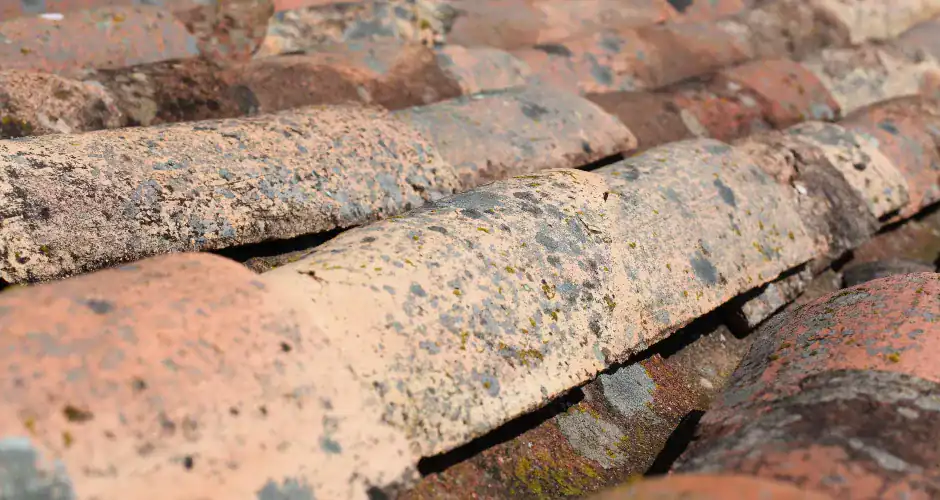
Roof color selection also depends on the roofing material. Asphalt roof shingles, metal, slate, and wood all present color differently. With asphalt shingles, color granules are blended across the surface, so a roof that appears simply gray from the street may include brown, blue, green, silver, or even purple undertones up close.
Start With Colors Your House Already Has
Before looking at a sample board, step outside and study the colors already on the house. Siding colors, brick, stonework, trim, shutters, doors, and landscaping give you a useful starting point.
If the exterior already has several strong colors, a neutral color on the roof may keep the structure from looking busy. If the house is mostly white, cream, gray, or tan, you may have more freedom to introduce a richer hue. The goal is not to match every surface. The best color for your home should complement the existing exterior while creating enough contrast to keep each material distinct.
Warm Colors vs. Cool Tones
It helps to look past the main color and pay attention to its undertones. Warm colors often lean toward brown, tan, gold, rust, red, or yellow. Cool colors include blue, slate, silver, green, and cooler shades of gray.
A beige house with warm stone may look natural with weathered wood, desert tan, or another brown blend. Weathered wood blends use varied neutral tones to create some of the character and depth associated with naturally aged wood.
Cool tones in blue-gray siding may work better with pewter gray, charcoal, or a gray roof that does not introduce too much red or gold. Some gray shingles also carry purple undertones, which may look neutral on a small sample but much richer across a full roof.
Roof colors have expanded well beyond basic gray and brown. Today, homeowners can choose from blended shades with blue, green, plum, tan, and earthy undertones. Homeowners looking for something different can also consider slate blue, muted greens, or deeper multi-tone blends. Even if a roof color is gaining popularity, it should still complement the siding, brick, stone, and overall architectural style of the home.
Roof Colors for White, Gray, Tan, and Brick Homes
There is no single right shingle color for every house, but certain combinations naturally create balance.
White Homes
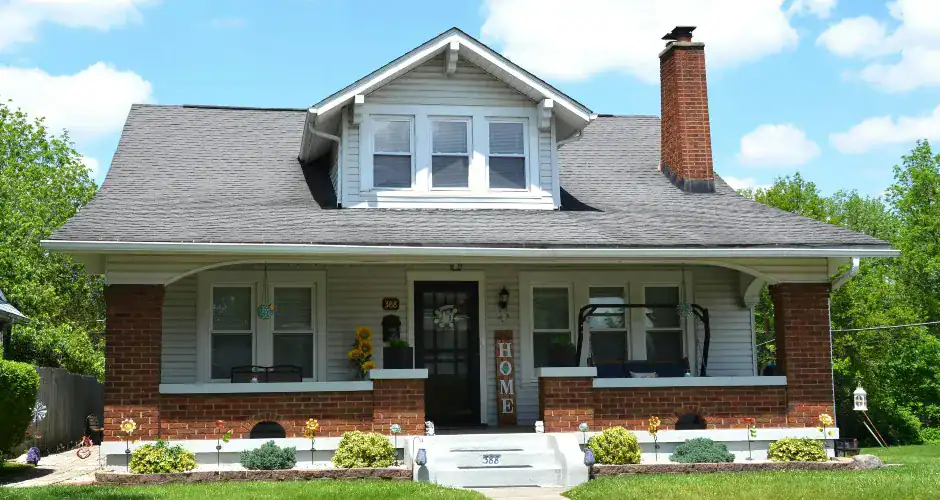
White siding gives homeowners plenty of flexibility. A charcoal or black roof can give a white home a bold, clean outline, especially when dark shutters or trim repeat that color elsewhere. Gray and pewter gray create softer contrast, while weathered wood adds warmth.
Muted greens or blue-gray shingles can also complement white when those tones appear in landscaping, doors, or other colors on the exterior. Slate blue can create a cool, coastal-inspired look without overpowering the structure. The goal is to connect the roof with another part of the exterior rather than letting it feel separate.
Gray Homes
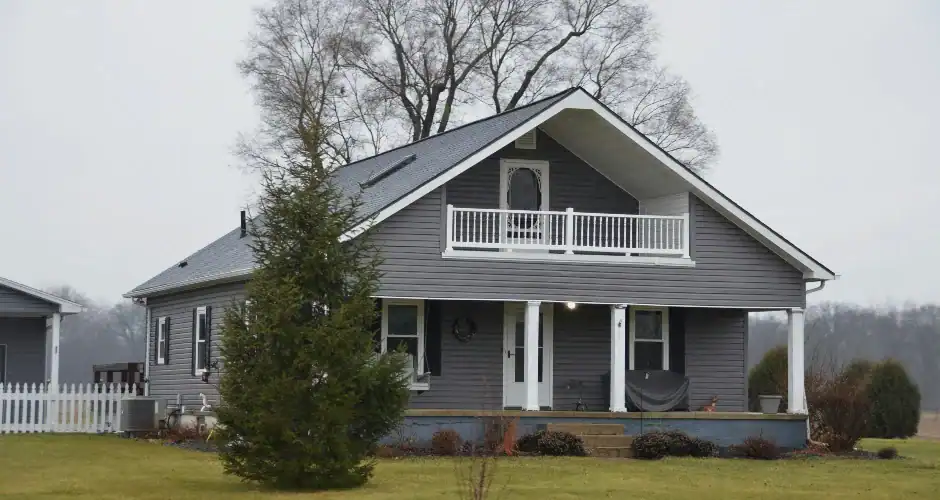
Gray siding can lean warm, cool, blue, brown, or slightly purple. Cool gray exteriors often pair well with charcoal, slate, silver-gray, or deep blue-gray shingles. A warmer gray may blend better with weathered wood or brown-gray shingles.
Pairing light gray siding with a darker gray roof adds definition. If the siding is already dark, a lighter roof can keep the house from feeling visually heavy.
Tan and Beige Homes
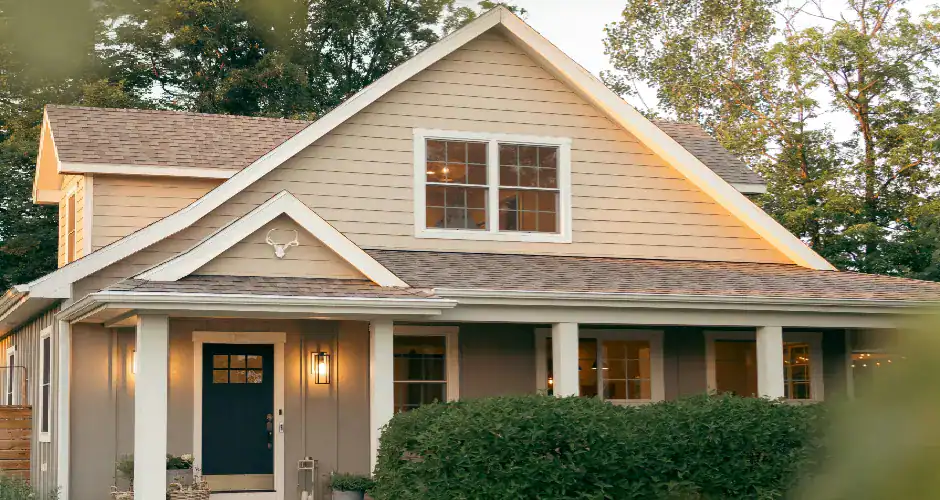
Tan, cream, and beige houses naturally suit a warm neutral palette. Brown, desert tan, weathered wood, and warm gray are strong options. A dark brown roof can add rich depth, while a lighter blend keeps the overall picture relaxed.
The roof does not need to match the siding exactly. A subtle variation between warm tan siding and a brown-gray shingle, for example, can create more depth than using nearly identical colors.
Brick Homes
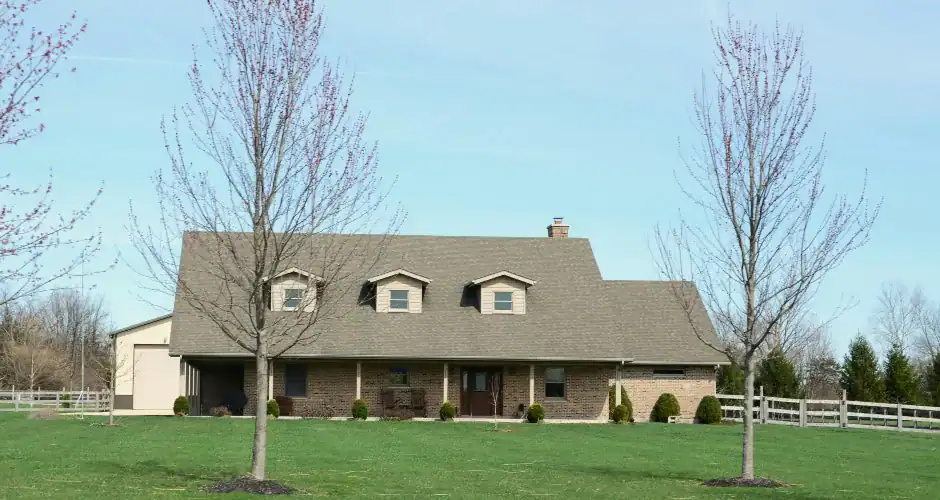
A brick house deserves a closer look because brick is rarely one flat color. Red brick may contain brown, black, cream, orange, or gray. Rather than choosing a roof based only on the words “red brick,” step back and determine which secondary tones appear across the masonry.
Charcoal and deeper gray can provide clean contrast. Brown and weathered wood bring out warmer tones, while some slate blends work when the brick includes cooler accents. For tan or brown brick, look for a roof that connects with those warm notes without turning the entire house into one shade.
Light Roof or Dark Roof?
Homeowners often ask whether a roof should be light or dark. Visually, a dark roof creates stronger contrast and a more defined sense of structure. A lighter roof feels softer and can help a large roof surface blend more gently with the house.
Oklahoma City regularly deals with extreme summer heat, including temperatures above 100°F, so solar reflectance is worth considering when comparing roofing options.
The Oklahoma Department of Environmental Quality notes that cooler, more energy-efficient roofs are generally lighter in color and more reflective than conventional roofs.
In general, darker roofs absorb more solar energy, while lighter and more reflective roofing can reduce the heat absorbed at the surface. The U.S. Department of Energy also notes that cool roofs reflect more sunlight and can reduce cooling demand in warm climates.
Still, color alone does not determine performance. Solar reflectance, ventilation, insulation, roofing material, and the complete roof system all matter. At Maupin, we help homeowners compare actual roofing products instead of assuming every light shingle is automatically “cool” or every dark option performs the same way.
Match the Roof to the Architectural Style
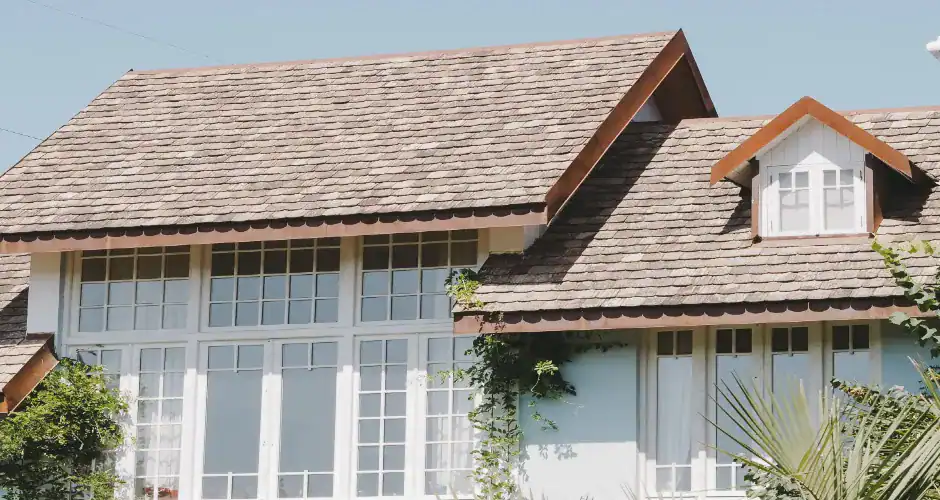
Your home’s architectural style can narrow the field quickly. Traditional homes often look natural in gray, brown, charcoal, or weathered wood. Craftsman and ranch styles work well with earthy tones tied to wood, stone, and nature. Farmhouse styles often use a dark roof against white siding for a simple, high-contrast look.
Contemporary homes can support black, slate, silver, deep gray, greens, or blue tones. A rich hue usually feels more intentional when it connects with shutters, trim, stone, or landscaping instead of being introduced as an isolated accent.
How Shingle Color Looks on Your Home
A sample is useful, but it is not the finished roof. Sunlight, shade, surrounding trees, and the direction a roof faces can change how a shingle reads.
Take samples outside and place them near the siding or brick at different times of day. A gray that looks neutral indoors may appear blue in morning light. A brown blend may look warmer in afternoon sun. If possible, view a completed roof using the same product. That gives you a much better picture of the blend, contrast, and color granules.
Maupin Roofing & Construction provides roof inspections, roof repair, roof replacement, and new roof installation across Edmond, Oklahoma City, and surrounding communities. We help homeowners compare roofing materials, shingle styles, and colors while keeping Oklahoma weather and the home’s architecture in mind.
Common Roof Color Mistakes to Avoid
One common mistake is trying to match the roof to the siding exactly. A little contrast usually gives the exterior more depth. Another is choosing a trendy color without considering permanent materials such as brick or stone. Paint can change later; masonry usually will not.
Try not to make the final call from a small digital swatch, either. A phone or computer screen cannot show exactly how the shingles will look in the light around your home.
Do not forget gutters, shutters, windows, and fencing. Maupin also handles gutters, windows, fences, and gates, helping homeowners coordinate broader exterior work while improving protection, appearance, and security.
Choose a Roof Color You Will Still Like Years From Now
The best roof color choices make sense with your house, existing materials, and the way you want the exterior to feel. Start with the fixed colors, determine whether the home leans warm or cool, and compare several shingles outdoors before you narrow the choices.
If you want bold contrast, make it deliberate. If you prefer a neutral color, look for a blend with enough variation to keep the roof from feeling flat. Trends can be useful for inspiration, but the right roof shingle color is the one that works with your home’s exterior year after year.
If you are planning a roof replacement in Edmond or elsewhere in the Oklahoma City metro, contact Maupin Roofing & Construction at 405-703-3843, and we can help you compare colors, materials, and practical options for your home. As an experienced Edmond roofing company, we help homeowners choose roofing and exterior options that look good, hold up to Oklahoma weather, and make sense for the home.