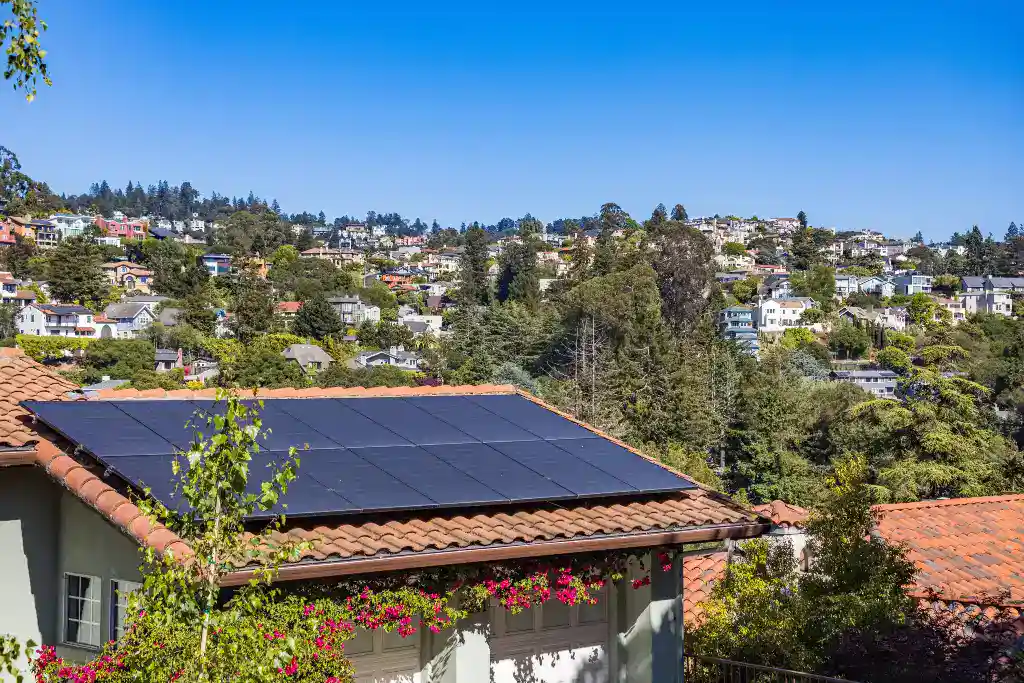
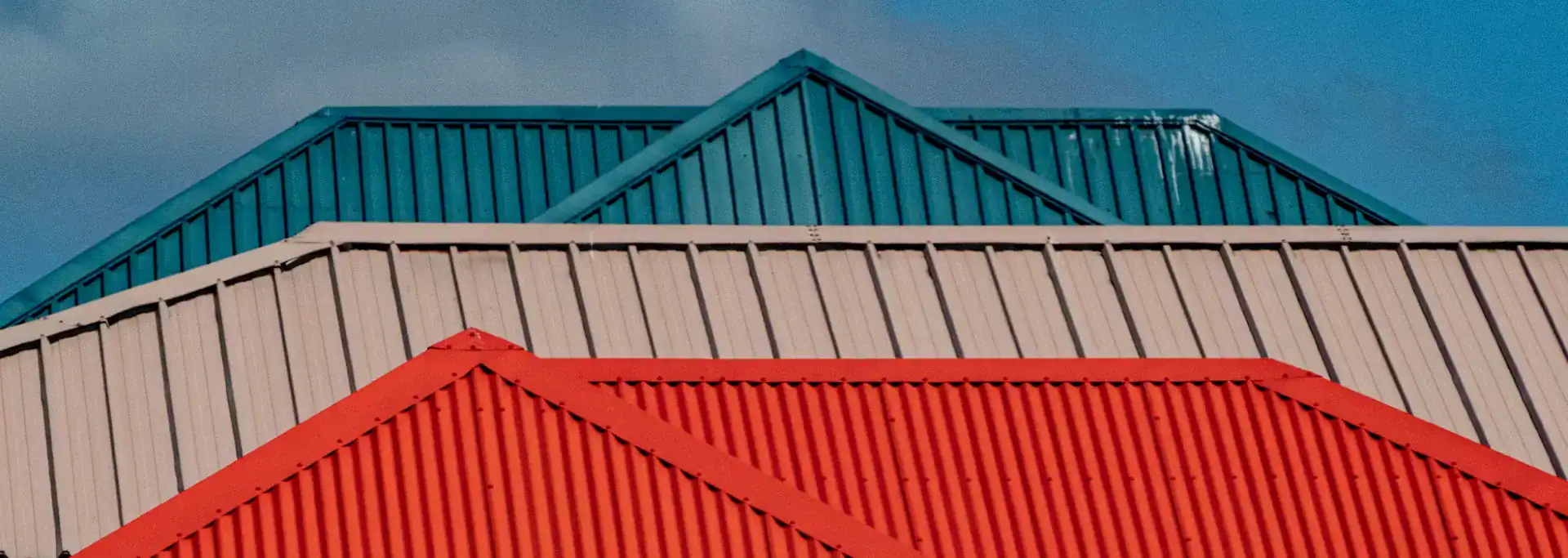
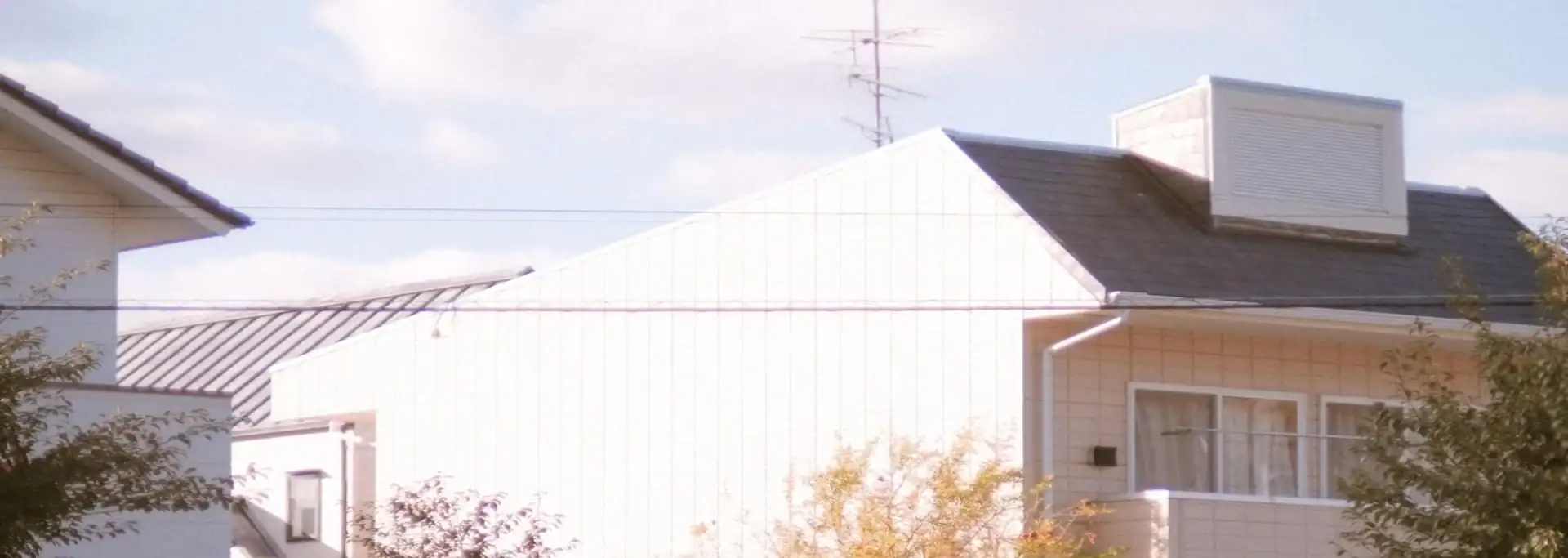
Drive through almost any Oklahoma neighborhood, and you can see how roofing choices have changed. Some homes still have familiar asphalt shingles, while others are leaning into darker colors, dimensional profiles, metal accents, and materials built for tougher weather. The best neighborhood roof trends are not just about looks. Homeowners today are also thinking about durability, energy efficiency, insurance costs, and long term performance.
At Maupin Roofing & Construction, we see those priorities come together every day. A roof has to fit the house, complement the entire exterior, and stand up to Oklahoma’s unpredictable weather. In this guide, we’ll look at the roofing materials, colors, energy-efficient options, storm-resistant features, and design choices shaping neighborhoods today. We’ll also explain how to choose a trend that makes sense for your home, budget, and long-term needs.
Why Neighborhood Roof Trends Are Changing
The roofing industry has given Oklahoma homeowners more choices than the basic gray shingles many people remember, with more options today in color, texture, durability, and storm performance. Many homeowners want more character without making their house look out of place. At the same time, extreme weather, rising energy bills, and growing demand for products with a smaller environmental impact are influencing what goes on the roof.
A new roof can play a major role in curb appeal and resale value. Because the roof makes up such a large part of what people see from the street, roof color, texture, and shadow lines can add depth and change the character of the whole house.
Neutral palettes are still popular because they coordinate easily with brick, stone, siding, and trim. A cohesive exterior can make the home feel more finished and appealing to buyers in today’s market, while a well-coordinated roof can also strengthen curb appeal and help protect home value.
Still, a roofing project should never be based on appearance alone. Performance, maintenance, local weather, and material selection matter just as much.
Architectural Shingles Still Lead the Neighborhood
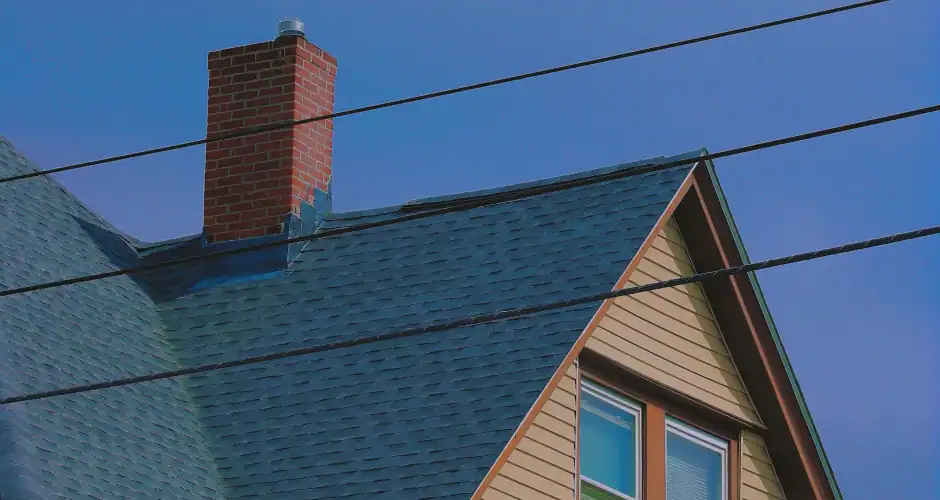
Around Oklahoma, architectural shingles remain a go-to choice for a lot of homeowners. They’re practical, work with many architectural styles, and give the roof more dimension than basic three-tab shingles. Their layered shadow lines can increase curb appeal without making a home feel overly trendy.
Weathered wood continues to be a popular choice because its mix of brown and gray works with just about everything. Dark brown, charcoal, and blended gray also create an updated look. For historic homes, dimensional asphalt shingles can echo the appearance of cedar shakes or slate without dramatically changing the character of the house.
At Maupin, we install and repair residential roofing systems using materials selected for Oklahoma conditions. If minor issues like cracked, missing, or storm-damaged shingles are caught early, roof repairs may be enough. Once the roof is worn out or repairs are becoming too frequent, roof replacement usually makes more sense than continuing to patch minor issues and can provide better lasting protection.
Roof Color Trends Are Getting Bolder
There isn’t one color taking over every Oklahoma neighborhood. We’re seeing both ends of the spectrum in current roof color trends: bold charcoal and black roofs on one hand, and lighter, more reflective choices on the other.
A darker roof in charcoal or black pairs especially well with white siding and modern farmhouses, creating a clean, contemporary appearance. Dark brown works naturally with warm brick, cream siding, and wood accents. On the other end of the spectrum, some light colors can help reflect heat, depending on the roofing product.
The amount of sunlight hitting the roof matters, too. A west-facing roof, for example, may receive more sunlight during an Oklahoma afternoon, which can mean more heat and greater demand on the roofing system. That means color and material performance deserve attention along with appearance. On sunny days, that can make roof performance just as important as appearance.
That’s why we encourage homeowners to look at the entire home—not just a small roofing sample—before settling on a color.
Metal Roofs Are Showing Up on More Homes
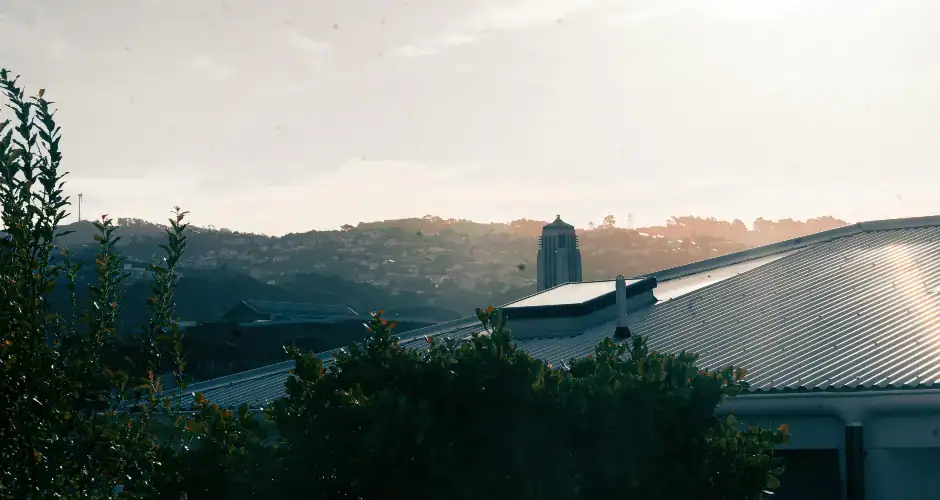
Metal roofs were once associated mostly with barns and commercial buildings, but that has changed. More homeowners are choosing metal for complete roofing systems, porch sections, dormers, and accents because it offers clean lines and a modern look.
A properly installed metal roof can last 50 years or longer, depending on the system and maintenance. That durability can provide long term value by reducing how often roofing materials need to be replaced.
Maupin Roofing & Construction handles residential and commercial roofing, including metal roofing. As a local roofing contractor, our goal isn’t to push a material just because it’s popular. We’d rather explain the pros and cons and help you decide what fits your home and budget.
At a dependable roofing company, that same standard should run through the whole team, from the crew working on your house to the vice president overseeing operations: explain the options clearly and recommend what actually makes sense.
Energy-Efficient Roofing Is Becoming More Important
As energy costs continue to affect household budgets, energy efficient roofing is getting more attention. Cool roofs, reflective granules, and certain reflective coatings are designed to reflect more solar energy instead of absorbing as much heat.
Depending on the home and roofing system, this may lower roof temperatures, ease peak cooling demand, and contribute to energy savings. Actual savings vary, of course, so homeowners should look at the full home—not the roofing material alone—when considering energy costs.
A sustainable roof does not have to be bright white. Shingles, metal finishes, and other sustainable roofing materials can combine solar reflectivity, durability, recyclability, and a smaller environmental footprint.
If solar panels may be part of your plans later, it also makes sense to think ahead during a roof replacement. A solar-ready roof can make future installation easier by considering material compatibility and layout from the beginning.
Ventilation is easy to overlook, but we pay attention to it for a reason. It plays a critical role in roof performance. Good attic airflow helps move excess heat and moisture out of the attic. Without it, moisture can build up and shorten the useful life of roof components. Proper insulation and ventilation also help the home stay more energy efficient.
Storm Resistance Is a Trend With Real Value
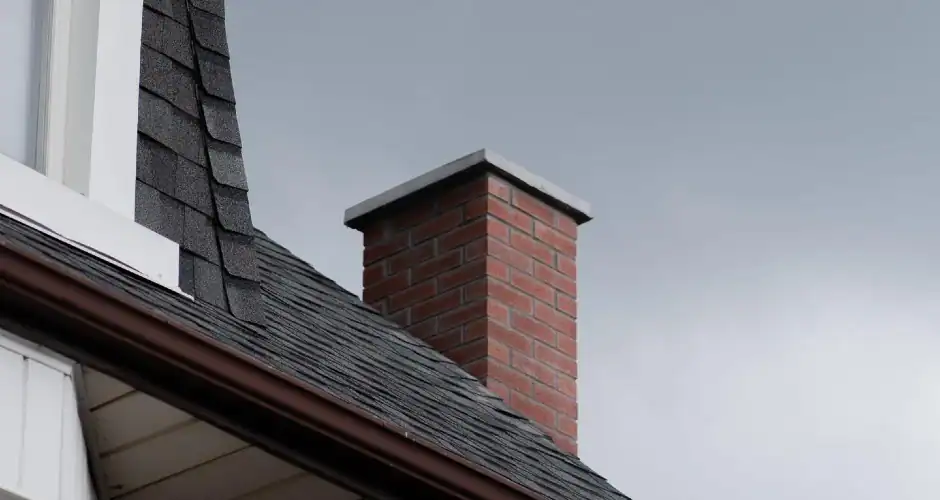
In Oklahoma, one trend matters more than color: impact resistance.
Heavy rain, hail, high winds, and rapidly changing weather can put a roof through a lot. We see more Oklahoma homeowners asking about impact-resistant shingles, and that makes sense. Hail can turn a good-looking roof into a repair job quickly.
According to the Oklahoma Insurance Department, severe hail affected 64.7% of Oklahoma roofs statewide in 2025, the highest percentage in the country that year.
Impact-resistant roofing may have a financial benefit as well. Depending on the carrier and system installed, homeowners may qualify for insurance discounts or lower premiums. Always confirm those details with your insurer before choosing a roof based on potential savings.
Roof design also matters during extreme weather. Hip roofs generally perform better in high winds than gable roofs because they have fewer sharp corners and exposed gable ends. But roof shape alone isn’t enough. Fastening, flashing, underlayment, ventilation, and workmanship all play a major role.
For Oklahoma homeowners, storm-resistant roofing has real value. It’s less about chasing roofing trends and more about choosing a system built for the conditions we actually see here.
What About Slate, Cedar, and Concrete Tiles?
Not every neighborhood calls for the same material. Slate can complement high-end or historic homes, while cedar shakes bring natural texture. Concrete tiles and clay tiles can offer long service life and strong fire resistance.
Those materials are much heavier than asphalt shingles, though, so some houses may need structural evaluation or reinforced framing before installation.
Synthetic composites, including faux slate products, are another option for homeowners who want a slate-like appearance without using natural stone. Depending on the product, they may also offer useful impact and weather resistance.
The right choice comes down to more than the label. We look at weight, maintenance, expected lifespan, local climate, installation requirements, and whether the structure can properly support the roofing material. The best choice is one that provides reliable long term performance, not simply whatever is trending this year.
Choose a Roof That Fits Your Home, Not Just the Trend
Neighborhood roof trends are useful for inspiration, but your home should still look like your home. The best roof balances curb appeal, protection, energy efficiency, material quality, budget, and long-term performance.
At Maupin Roofing & Construction, we’ve been working on Oklahoma roofs since 1985, so we know that what looks good also has to hold up here. Whether you need roof repairs, a complete roof replacement, new roof installation, maintenance, storm damage work, or simply an honest opinion about what your roof needs, we’ll walk you through the options and keep you informed.
If your home is inside Oklahoma City limits, permits are another detail to keep in mind. Since August 1, 2025, re-roofing work exceeding 500 square feet on an existing single-family home or duplex requires a City permit. Oklahoma City currently follows the 2018 International Residential Code, with local amendments.
Not sure whether you need a repair or whether it’s time to replace the whole roof? Give Maupin Roofing & Construction a call at 405-703-3843. We’ll take a look, explain what we find, and recommend something built for Oklahoma weather. Contact us for a free estimate and practical guidance on your next roofing project.