Your roof’s shingles get all the attention. But the layer sitting directly beneath them, the roofing underlayment, is often what separates a roof that lasts 25 years from one that causes problems at year 10. In Oklahoma City, where a single spring can deliver baseball-sized hail, 70 mph wind-driven rain, and a late freeze all within the same month, what goes under your shingles matters just as much as what goes on top. A high-quality underlayment repels water, stands up to the elements, and helps extend the life of your roof in ways most homeowners never think about.
At Maupin Roofing, we install and replace roofs across the OKC metro. We see what holds up and what fails. That hands-on knowledge shapes how we approach every project. This guide covers the most important underlayment choices available to homeowners, why the roofing industry has moved away from older materials, and how the right upgrade can protect your property for decades.
What Roofing Underlayment Actually Does
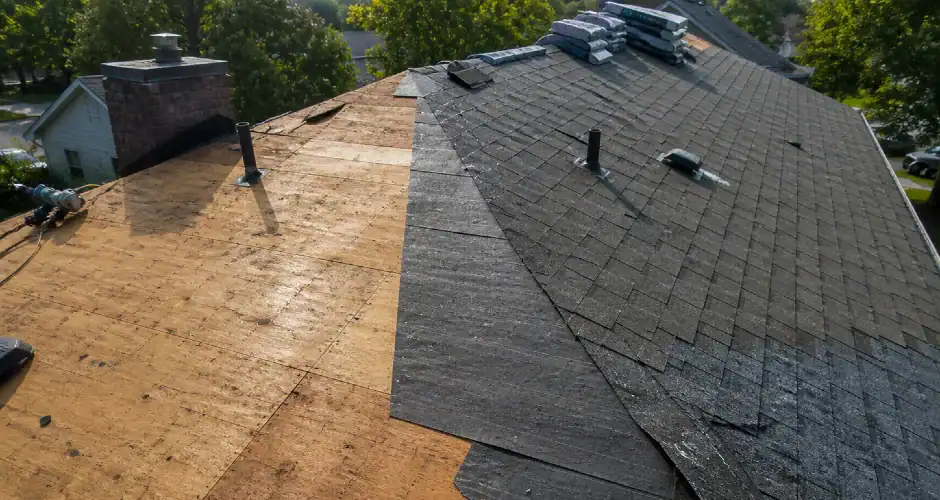
Roofing underlayment is installed directly over the roof deck before shingles or tile go on. It is not a backup product. It is an active part of your roofing system.
When wind pushes rain up under shingles, when ice backs up along the eaves, or when a hailstorm cracks a shingle, and water finds a gap, the underlayment is what stops moisture from reaching your decking and attic. Without it, water damage and mold can develop in places you will not see until the problem is already expensive.
Asphalt shingles are built to shed water, not seal it out completely. Underlayment fills that gap. It is the layer that handles what shingles miss.
Traditional Felt vs. Synthetic Underlayment
For decades, felt underlayment, also called asphalt-saturated underlayment or traditional felt, was the standard across the roofing industry. It worked well enough for its time. But it has real limitations that show up under demanding conditions:
- Absorbs moisture instead of repelling it
- Tears more easily during high winds and installation
- Heavier and harder to roll out flat on the deck
- Degrades quickly when exposed to UV rays before the shingles go on
Synthetic underlayment addresses all of those issues. It is lighter, far more resistant to tears, and does not absorb moisture. It holds up better to heat, UV exposure, and the temperature swings that Oklahoma City sees throughout the year.
Most contractors who have worked in this area have moved toward synthetic roof underlayment because they have seen the difference in performance. The roofing industry’s shift away from traditional felt reflects what roofers have observed on real roofs over many years, not just a change in product preference.
Rubberized Asphalt Underlayment: Where It Makes the Biggest Difference
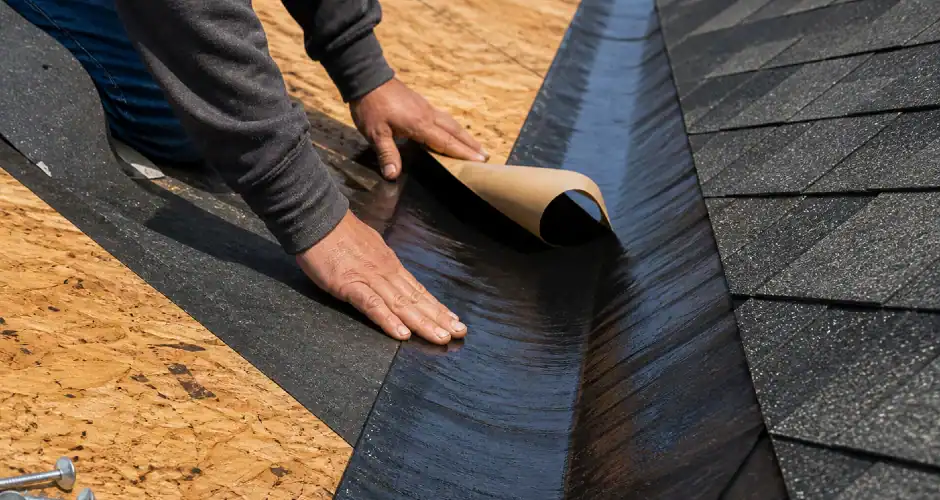
Not every part of a roof carries the same risk. Certain areas are far more likely to leak, and those spots need stronger protection than standard synthetic underlayment alone can provide. That is where rubberized asphalt underlayment comes in.
Rubberized asphalt is a self-adhering, peel-and-stick material that bonds directly to the roof deck. It seals tightly around nails and fasteners, creating a waterproof layer rather than just a water-resistant one.
Roofers typically install rubberized asphalt in three key areas:
- Eaves and the roof edge. These low areas are the first place ice dams form. When snow melts and refreezes near the edge, water backs up under shingles. Rubberized asphalt stops water from reaching the decking regardless of what happens above it.
- Valleys. Roof valleys channel large volumes of water during heavy rain. The concentrated flow makes them a common source of leaks. A rubberized layer adds a secondary barrier built to handle that volume.
- Around skylights and other penetrations. Anywhere the roof surface is interrupted is a potential entry point for moisture. The self-sealing property of rubberized asphalt makes it the right material for these transitions.
In a climate that sees real ice events in most winters and severe rain year-round, these targeted applications are not overkill. They are appropriate protection for the conditions.
How Underlayment Works with the Rest of Your Roofing System
Underlayment is one layer in a system, and each layer depends on the others to perform correctly:
- The roof deck provides the structural base
- Underlayment covers and protects the deck from moisture
- Shingles or tile handle direct exposure to the weather
When all three are properly installed using the right materials at each level, the system functions as a whole. When one layer is weak, the others carry more than they should.
Underlayment also connects to attic performance. When moisture infiltrates the deck, it can degrade insulation and contribute to mold growth before the damage is even visible. Protecting the deck protects the insulation, which affects both your roof’s structural life and your home’s energy performance.
Upgrading Underlayment When You Replace Your Roof
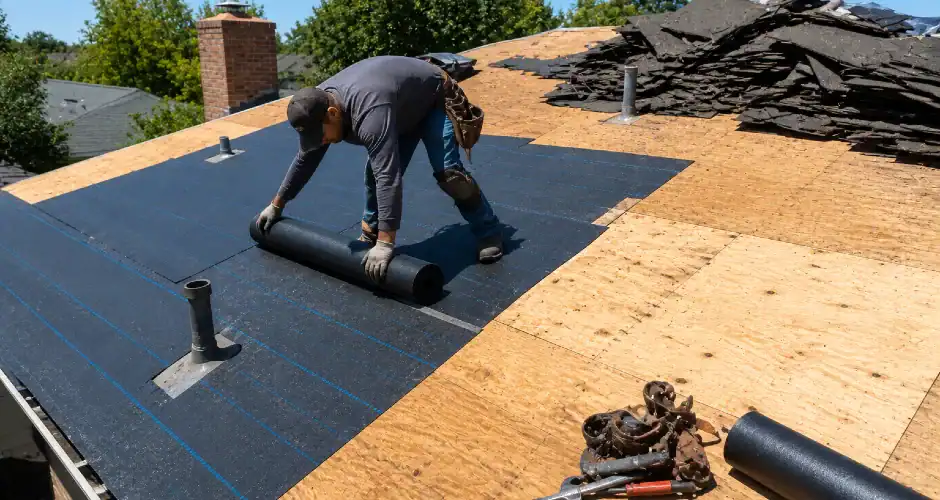
A new roof installation is the right time to reassess what is underneath. Once the old material is stripped back to the deck, the cost of upgrading the underlayment is small compared to the total project cost. Doing it later means pulling up shingles just to reach the layer below.
Many homeowners focus on visible materials when replacing a roof, which makes sense. But choices made below the surface often have more impact on long-term performance than shingle brand or color. A few decisions that tend to cause problems later:
- Choosing felt underlayment to save a few hundred dollars on a project already measured in thousands
- Skipping rubberized asphalt in high-risk areas like eaves and valleys to cut material costs
- Not asking the contractor about different material options at all
When Maupin Roofing works with homeowners on a new roof, we walk through underlayment options and explain where different materials make sense. The goal is not to install the most expensive product everywhere. It is to use the right material in the right place so the roofing system performs over the long run.
What Oklahoma City Weather Demands from Roofing Materials
Oklahoma weather does not follow a predictable pattern. That creates a wide range of conditions your roof needs to handle:
- Hail seasons can be severe and damaging
- Summers that push heat well past 100°F
- Ice storms that are infrequent but hard on roofs when they arrive
- High winds common across every season
Durable roofing materials for this climate need to resist moisture absorption, handle extreme temperature swings, stand up to UV exposure, and stay intact during high winds without tearing. Synthetic underlayment meets all those demands in ways that traditional felt does not.
Storm damage does not always stop at the surface. After high winds lift shingles or hail cracks one, the underlayment becomes the layer protecting the deck below. A material that tears easily or absorbs water in that moment can turn a manageable repair into a much larger issue that spreads into the attic before it is even noticed.
At Maupin Roofing, we’ve built our reputation as the best roofing company in OKC by focusing on the details most people never see. Underlayment is one of those details. It plays a major role in how well a roof performs when Oklahoma weather pushes it to the limit.
Building a Roof That Holds Up
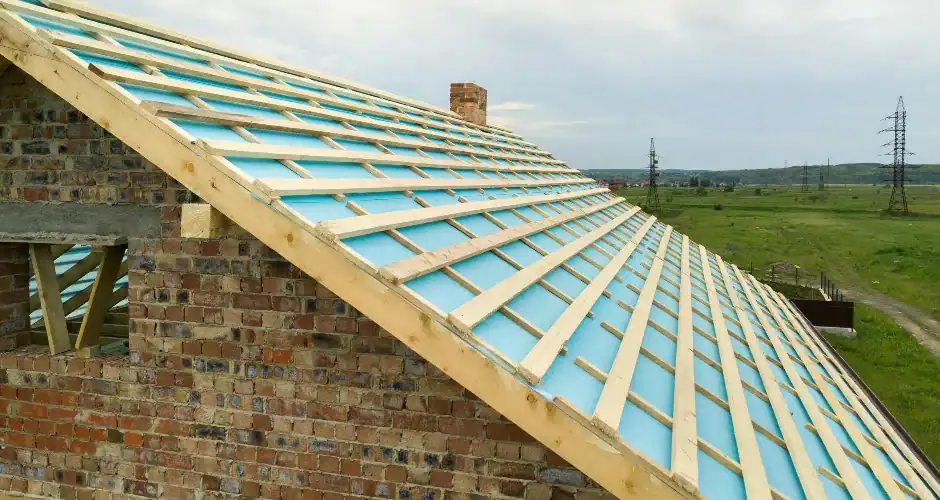
The most durable roofs are built correctly from the deck up, not just finished with quality shingles on the outside. Underlayment is where that foundation is either strengthened or left vulnerable.
For Oklahoma City homeowners, the right combination is a synthetic underlayment across the main field of the roof and rubberized asphalt at the eaves, in the valleys, and around skylights. Ideally, this approach balances performance, durability, and weight without overcomplicating the system. It reflects what the roofing industry has learned from the past and how better materials are now used to solve real-world problems.
When it comes to putting a new roof on your home, the decisions you make below the surface matter more than most people expect. The materials you choose, how they are installed, and where they are used will all play a role in how your roof performs over time. It is not just about what you pay upfront. It is about what you avoid paying for later in repairs and early replacement.
Maupin Roofing works with homeowners across Oklahoma on new roof installations and full replacements. If you are trying to decide what makes the most sense for your home, contact us, and our team can walk you through your options and help you build a roofing system designed to last.