When severe weather rolls through Midwest City, roof damage can happen fast. High winds, hail damage, flying debris, and heavy rain can leave a damaged roof exposed before homeowners even realize how serious the problem is. One missing section of shingles or one small opening in the roof can quickly lead to property damage, leaks, interior damage, and water getting into places it should not.
That is where our emergency roof tarping services can help. An emergency roof tarp is a temporary solution designed to protect the damaged area until permanent repairs can be made. It is not meant to replace roof repairs, but it can help reduce further damage while we complete a roof inspection and prepare the right repair plan.
At Maupin Roofing, we understand how Oklahoma weather works. When disaster strikes, our team is ready to provide emergency roofing services with the care, speed, and safety your home or business needs.
When Do You Need Emergency Roof Tarping?
You may need emergency roof tarping services anytime your roof is open, leaking, or no longer giving your property the protection it should. Sometimes the damage is obvious, such as a fallen tree limb, torn shingles, or a visible hole. Other times, roof damage starts quietly with a small stain on the ceiling, water pooling in the attic, or a slow drip after a storm.
Missing shingles are one of the most common reasons homeowners call for emergency tarping. Once shingles are gone, the layers underneath can be exposed to rain, sun, and UV rays. If the synthetic underlayment or roof decking is also damaged, water can enter the home and lead to costly repairs.
Emergency roof repair may also be needed after hail, wind, or debris hits the roof hard enough to create severe damage. If the roof has been punctured, lifted, or weakened, the problem should be addressed immediately. Waiting too long can turn a temporary roof issue into structural damage, interior repairs, and damage to personal property.
Common Storm Damage Problems in Midwest City Roofs
Oklahoma weather can be hard on a roof. In Midwest City and the greater Oklahoma City area, storms can bring hail, heavy rain, strong winds, and sudden temperature changes. Over time, even a well-built roof can take a beating.
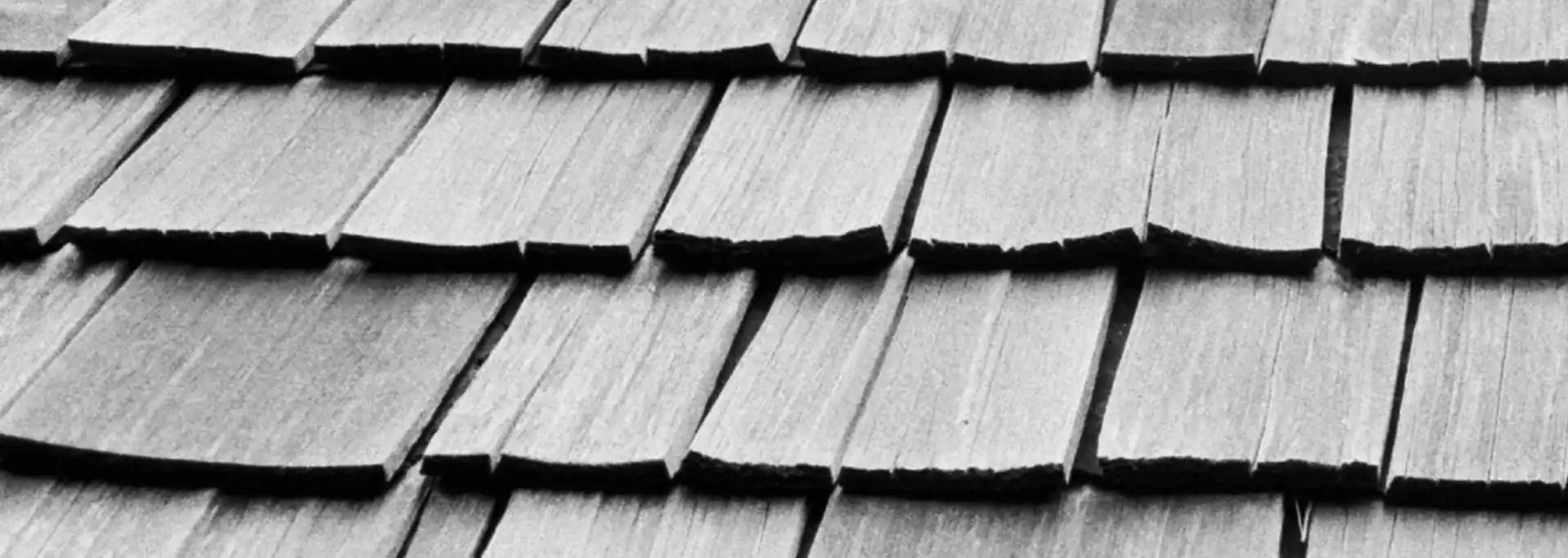
Wind damage often shows up as lifted, curled, creased, or missing shingles. Once the wind gets under the edge of a shingle, it can weaken the seal and leave the roof vulnerable. Hail damage may look like bruising, dents, cracked shingles, or granule loss. Sometimes hail damage is easy to see from the ground, but often it takes a professional roof inspection to know how serious it is.
Leaks may also form around vents, chimneys, skylights, pipe boots, flashing, valleys, or low areas where water pooling occurs. These weak points can become urgent after severe weather. If water finds a path inside, emergency roof tarping may be needed right away to protect the property.
Why Fast Roof Tarping Matters After a Storm
- A roof tarp gives your home a layer of protection when the roof can no longer do its job on its own.
- After a storm, water can travel under shingles, into the attic, behind walls, and across ceilings.
- Once water intrusion starts, it can spread quickly and lead to mold concerns, damaged insulation, stained drywall, and electrical hazards.
- Fast roof tarping services help reduce that risk.
- The goal is to cover the damaged area, secure the tarp, and keep rain from creating further damage until permanent repairs can be scheduled.
- This matters for both commercial and residential properties.
- Whether the roof is on a family home, shop, office, rental property, or commercial building, emergency work should be handled carefully.
- A temporary roof cover can make the difference between a manageable repair and a much larger replacement project.
Our Emergency Roof Tarping Process
Emergency tarping starts with safety. A damaged roof can be unstable, slippery, or dangerous after severe weather. There may be loose shingles, soft decking, exposed nails, fallen branches, power lines nearby, or other hazards on the ground. We do not recommend that homeowners climb onto a roof after a storm, especially if rain, wind, or structural damage is involved.
Our first step is a roof inspection. We look at the extent of the damage, identify the damaged area, check for active leaks, and determine the safest way to install the emergency roof tarp. The roof size, slope, material, height, access, and condition all matter. A low-slope roof may need a different tarping approach than a steep shingle roof. The square-foot coverage of the affected area also affects the amount of tarp material needed.
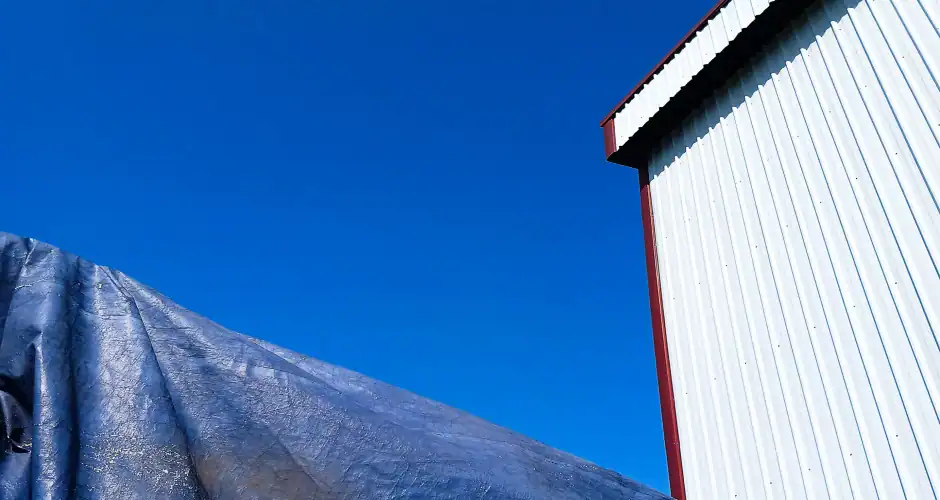
Once we inspect the roof, our team places the tarp over the affected area and secures it as carefully as possible. A proper roof tarp should be tight enough to resist wind and positioned to help direct water away from the opening. This temporary solution helps protect the home while we plan the next steps, but it is still meant to buy time. It can help reduce further water damage, but it is not the same as permanent repairs and should not stay in place longer than necessary.
From there, the next step is a full repair plan. This may include replacing missing shingles, fixing flashing, repairing decking, or recommending roof replacement if the damage is severe. Once the emergency repairs are complete, we explain what needs to happen next. In some cases, only minor roof repairs are needed. In others, the roof may need larger repair work or replacement, especially if storm damage is widespread.
Can Insurance Cover Emergency Roof Tarping?
Many homeowners contact their insurance company after storm damage, especially when water damage, hail damage, or wind damage is involved. Emergency roof tarping may be part of the reasonable steps taken to protect the property from further damage, but every insurance claim depends on the policy, cause of damage, and coverage details.
Before and after emergency tarping, take photos if it is safe to do so. Document the storm date, visible damage, leaks, ceiling stains, damaged shingles, and any affected personal property. Keep invoices, inspection notes, and repair estimates. This information may help make the conversation with your insurance company easier.
We can inspect the roof, explain what we find, and provide documentation for the emergency work performed. However, the final decision on coverage always comes from your insurance provider.
What Homeowners Should Do While Waiting for Emergency Roofing Services
If you need emergency roof tarping after a storm, stay off the roof. Wet shingles, loose decking, and steep slopes can be dangerous. If there are downed power lines, stay far away and contact the proper utility provider or emergency service.
Inside the home, move personal property away from active leaks if it is safe. Place a bucket under dripping water, but do not touch wet electrical fixtures or wiring. Take photos from the ground and inside the home. Then contact a
roofing company that provides emergency roofing services.
Emergency roof tarping helps protect your home from further harm, but the sooner the issue is addressed, the better chance you have of avoiding costly repairs.
Why Choose Maupin Roofing for Emergency Tarping?
When you need emergency roof help, local experience matters. At Maupin Roofing, we understand Oklahoma storms, common roof problems in Midwest City, and the urgency homeowners feel after severe weather. You do not just need someone to throw a tarp over the roof. You need a roofing company that can inspect the issue, secure the damaged area, and help guide you toward the right repair.
We also stay involved after the emergency work is done. Once the tarp is installed, our team can come back, review the extent of the damage, and recommend the permanent repairs needed to restore better protection. That continued support is important, especially when a storm has affected many homes and businesses in the area.
If severe weather has damaged your roof in Midwest City or the Oklahoma City area, contact Maupin Roofing. We can inspect the roof, provide emergency roof tarping, and help you understand the next steps for emergency roof repair or permanent repairs. Our team is here to help protect your home, your business, and the work you have put into your property when you need emergency roofing help the most.
Contact us now at 405-703-3843so we can give you a free quote and immediately assess your roof for emergency roof tarping.
Frequently Asked Questions
How much does emergency roof tarping cost?
The cost of emergency roof tarping depends on several factors, including the roof size, the extent of the damage, the slope of the roof, the damaged area, and how quickly emergency work is needed. A local roofing contractor can inspect the roof and provide a more accurate estimate.
Is roof tarping part of the repair or construction process?
Roof tarping is usually a temporary step before full repair or construction work begins. It helps protect the damaged area from rain, wind, UV exposure, and further water intrusion until permanent roof repairs or replacement can be completed.
Why should I call a local roofing contractor for emergency tarping?
A local roofing contractor understands the storm conditions, roofing materials, and common roof damage issues in your area. They can respond faster, install the tarp safely, and recommend the right next step based on the condition of your roof.