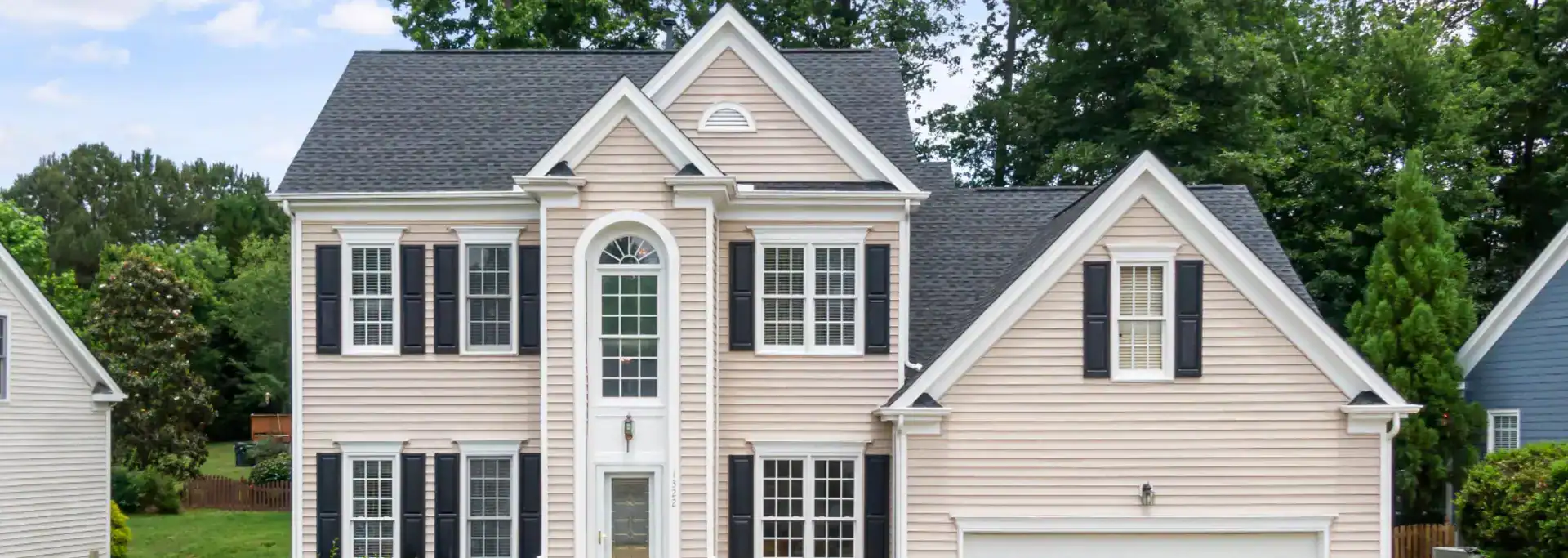
Oklahoma roofs have to deal with more than everyday wear. Heat, wind, hail, heavy rain, and sudden storms can all test the strength of a roofing system. For homeowners who want a roof with long-term durability and standout curb appeal, a tile roof can be a strong option, but only when the home is ready for the weight, slope, and installation requirements.
A tile roof installation is more specialized than a standard roof installation because it involves more than placing roofing tiles on a house. A proper tile roof must account for the home’s roof dimensions, slope, roof deck, structural support, underlayment, flashing, fastening method, and the type of tile being used.
Tile roofing is often chosen for its long-lasting beauty and durability. Clay tile can give a home a classic, warm appearance, while concrete tiles offer strength, design flexibility, and different price options. Compared with asphalt shingles, tile is usually heavier, more rigid, and more complex to install. When planned and installed correctly, a new tile roof can protect a home for decades with minimal maintenance.
What Is a Tile Roof?
A tile roof is a roofing system made from individual tiles that overlap or interlock to shed water. These tiles are commonly made from clay or concrete, though some products can resemble slate, wood, or other roofing materials.
The visible tiles are only one part of the system. A tile roof also needs a strong roof deck, quality underlayment, proper flashing, and secure fastening. The underlayment acts as the main water-shedding barrier beneath the tiles. This matters because wind-driven rain, broken tiles, or small gaps can allow moisture under the tile layer and eventually cause leaks or water damage.
Tile roofing is often used on steep-slope roof designs, where water can drain toward the eaves and away from the home.
Clay Tile vs. Concrete Tiles
Clay tiles are known for their timeless appearance and rich color. They are often used on Spanish, Mediterranean, and traditional-style homes. A clay roof can create a premium look and resist rot and insects, but it may cost more and can be fragile if walked on incorrectly.
Concrete tiles are made from cement, sand, and water. They can be shaped and colored to look like clay, slate, or wood shake. Concrete tile is often chosen because it offers a strong appearance and dependable performance at a lower cost than some clay options.
Both materials can be durable. The better choice depends on the home’s style, structure, budget, roof slope, and long-term plan.
Tile Roof vs. Other Roofing Materials
Tile is one of several popular roofing materials. Asphalt shingles are common because they are affordable, lighter, and easier to install. Metal roofing is durable and lighter than tile, but it has a different look and sound. Wood roofing has a natural appearance but may need more maintenance. Slate is very durable and premium, but it can be heavy and expensive.
A good roofing contractor should not recommend one material for every home. The right choice depends on the roof structure, design, location, and budget.
Why the Roof Deck and Structure Matter
The roof deck is the base beneath the roofing system. It must be strong, dry, and in good condition before tile installation begins. If there is rot, soft decking, sagging, or old water damage, those areas should be repaired before the new roof is installed.
Tile also adds significant weight. Some homes can support clay or concrete tiles without major changes, while others may need to be reinforced. This is why the structure should be inspected before tile is installed. A beautiful roof still needs proper support.
The Role of Underlayment
The underlayment is installed over the roof deck before the tiles are placed. It helps protect the home if water gets beneath the tile layer. This is especially important near valleys, walls, vents, chimneys, and roof edges.
The type of underlayment depends on the tile system, slope, local weather, and manufacturer requirements. Some areas may need upgraded protection, especially around tight transitions, roof penetrations, and the lower sections near the eaves.
How Tile Roof Installation Works
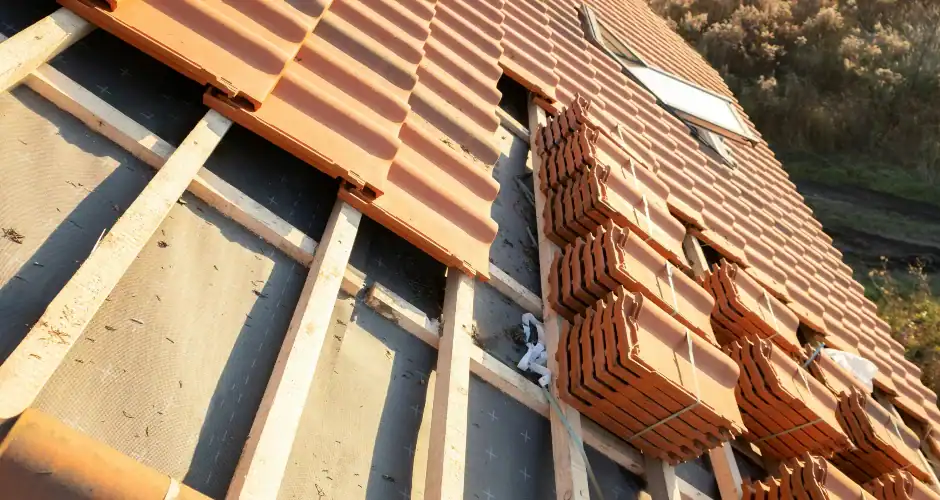
The installation process starts with an inspection and project plan. A professional measures the roof, reviews the roof dimensions, checks the slope, and looks for problem areas. If the project is a replacement, the crew usually removes the old roofing first so the roof deck can be inspected.
After repairs are completed, underlayment is installed. Flashing is added around valleys, walls, vents, skylights, and chimneys. Edge details are prepared along the bottom edge, lower edge, eaves, and rakes.
Depending on the system, battens may be used. Battens are thin strips that help support, align, or elevate the tiles. Some systems use battens, while others place certain tiles directly over the underlayment. The exact method depends on the product and the manufacturer’s instructions.
Once preparation is complete, the tiles are installed from the lower roof area upward. The first row has to follow a straight line so each tile sits in the right place as the crew works up the roof. Fastening may involve nails, screws, clips, adhesive, or other approved methods. In tight spots around vents, walls, valleys, or chimneys, tiles may need to be cut and fitted carefully.
The ridge is finished with ridge tiles or approved ridge components. These pieces cover the peak where roof planes meet and help complete the system.
How Much Does a Tile Roof Cost?
The cost of tile roof installation depends on the roof size, often measured by square foot or roofing squares. It also depends on the tile material, roof complexity, tear-off, underlayment, flashing, structural repairs, equipment needs, and access.
A simple roof may cost less than a roof with multiple valleys, chimneys, steep areas, several roof planes, or difficult access. Clay tile often costs more than many concrete tile options, but product quality, profile, color, and manufacturer requirements also affect pricing.
At Maupin Roofing, we provide accurate pricing through an on-site estimate, so you know what your roof needs before the work begins.
Maintenance and Repairs
Tile roofing can be a low-maintenance option, but it should still be inspected after major storms. Homeowners should watch for cracked tiles, slipping tiles, leaks, damaged flashing, and broken ridge pieces.
Walking on tile incorrectly can crack or shift the material, so repairs should usually be handled by a qualified contractor with the right equipment. Common repairs include replacing broken tiles, fixing flashing, resealing roof penetrations, repairing underlayment, or addressing water damage.
Some homeowners also ask about painting roof tiles. Painting may be possible for some concrete tile systems, but it depends on the product and condition. Clay tile is usually chosen for its natural color, so ordinary painting may not be recommended.
Residential and Commercial Tile Roofing
Tile roofing is common in residential construction, especially on homes where appearance and long-term durability matter. It may also be used on some commercial properties, such as offices, restaurants, and buildings with Spanish or Mediterranean designs.
Whether residential or commercial, tile roofing still requires proper structure, slope, underlayment, flashing, and installation details.
When to Replace a Tile Roof
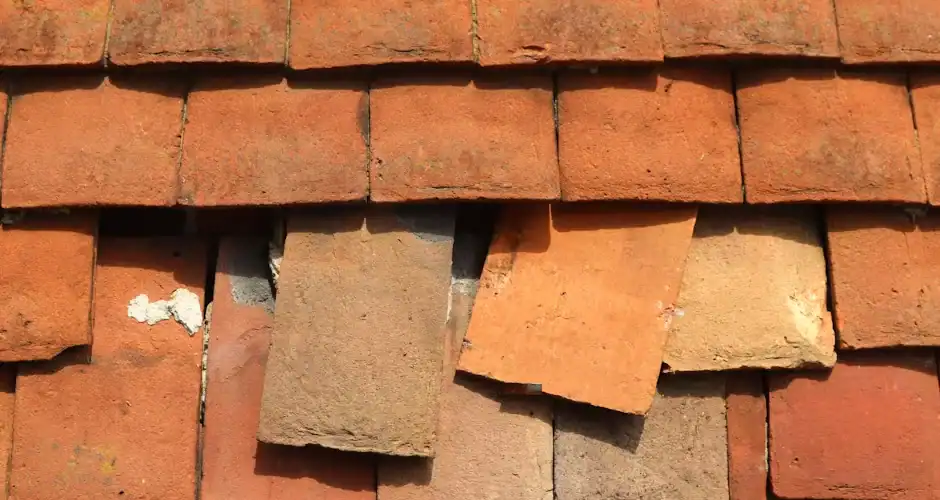
A tile roof may need replacement when there are repeated leaks, failing underlayment, severe storm damage, structural issues, or widespread broken tiles. Sometimes the visible tiles still look usable, but the underlayment beneath them has aged.
Warning signs
- Ceiling stains.
- Soft decking.
- Cracked tiles.
- Slipping tiles.
- Damaged ridge tiles.
- Deterioration around flashing.
If the damage is widespread, a full new roof may be the better choice.
Frequently Asked Questions
Do all the tiles need to be sealed during tile roof installation?
Not always. In many tile roofing systems, the tiles are not individually sealed one-by-one. Instead, the roof relies on proper overlap, flashing, underlayment, and sealed roof penetrations to help prevent leaks.
How do roofing tiles hang on the roof?
Roofing tiles may hang from battens, fasteners, or interlocking edges, depending on the tile system. For example, some clay or concrete tiles are supported by battens, while others are fastened directly to the roof deck.
Is plastic or insulation used under a tile roof?
Some tile roofing systems may include synthetic or plastic-based underlayment, but it depends on the product and manufacturer requirements. Insulation is usually part of the attic or roof assembly, not the tile layer itself.
Considering a Tile Roof? Schedule an Inspection with Maupin Roofing
Maupin Roofing can help homeowners understand whether tile is the right fit for their home. Our team can inspect the existing roof, review the structure, identify repair needs, and explain whether a tile roof is practical. As one of the most trusted roofing companies in Oklahoma City, we know a roof has to be built for local weather, not just curb appeal.
If tile roofing is the right choice, we can help select the material, create a clear installation plan, and manage the project from preparation through cleanup. If another roofing system would serve the home better, we can explain that, too.
A tile roof can be a strong investment in beauty, protection, and durability. With the right material, proper installation, and an experienced contractor, homeowners can enjoy a roof that performs well for years to come. Contact us at 405-703-3843to get a free quote today.