A roof should do more than keep the rain out. It should protect your home, fit your style, and make you feel good every time you pull into the driveway. That is one reason many homeowners are taking a closer look at synthetic shake roofing.
For years, a cedar shake roof has been known for its rustic charm, warm tones, and timeless beauty. Real cedar has a look that feels rich, traditional, and full of character. But as beautiful as cedar shake shingles can be, they also come with more upkeep than many homeowners expect.
That is where synthetic cedar shake roofing comes in. It gives you the hand-split cedar shake appearance many people love, but with modern performance and superior durability built into the material. Instead of worrying as much about splitting, rotting, curling, pests, algae growth, or weather-related wear, you get a roof designed for long-term value and low maintenance.
For homeowners in Moore, that protection matters even more. Local roofs deal with hot summers, strong winds, heavy rain, and sudden weather changes throughout the year. That makes the right roofing material an important choice, especially if you want a roof that looks beautiful but is also built for Oklahoma conditions.
What Is Synthetic Cedar Shake Roofing?
Synthetic cedar shake roofing is designed to look similar to traditional cedar shakes without being made from real wood. These synthetic shingles are usually made from engineered synthetic materials, composite blends, recycled plastic, rubber, polymers, or a proprietary blend created by leading manufacturers in the roofing industry.
Instead of being cut from cedar trees, synthetic shakes are expertly crafted to copy the texture, shape, thickness, and color variation of real cedar shakes. Many products are molded from actual hand-split wood patterns, giving them a realistic appearance from the street and up close. Unlike natural wood, synthetic products are designed to resist common problems like rot, insect damage, moisture absorption, and splitting.
Some homeowners call them composite shakes, synthetic cedar, synthetic tiles, or faux cedar shake shingles. No matter what name is used, the idea is the same. These roofing materials are made for homeowners seeking the aesthetic appeal of cedar with less maintenance and better resistance to the elements.
Why Homeowners Love the Look of Cedar Shake
Cedar shake has remained popular for good reason. Traditional wood shake shingles have a natural beauty that is hard to ignore. They bring depth, shadow, texture, and timeless charm to a home’s exterior.
Unlike flat roofing products, wood shakes have a thicker, more dimensional look. They can make a home feel warmer, more custom, and more established. On the right house, a cedar shake roof can completely change the home’s curb appeal.
Cedar also works with many architectural styles. It looks right at home on cottages, ranch homes, craftsman houses, luxury homes, lake homes, and traditional Oklahoma properties. Its warm tones and natural materials create a look that feels less manufactured and more connected to the home’s surroundings.
But real cedar is still real wood, and that is where the trade-off begins.
The Challenge With Natural Cedar Shakes

In Moore, where storm season can bring wind-driven rain and hail concerns, choosing a roof is not just about appearance. It is also about how well the material can handle years of local weather.
A natural cedar roof is beautiful, but it does ask for attention. Since natural wood reacts to moisture, heat, sun, and storms, it can change over time. Natural wood shakes may split, cup, curl, fade, or absorb moisture if they are not properly maintained.
That does not mean wood shake roofing is a bad choice. It simply means homeowners need to understand the maintenance requirements before making a significant investment.
With real wood, proper care often includes inspections, cleaning, treating, replacing damaged pieces, and watching for signs of rot or mildew. In a place like Oklahoma, where heavy rain, high winds, hail, hot summers, and sudden temperature swings can all show up in the same year, a roof gets tested often.
Benefits of Synthetic Shake Roofing
For Moore homeowners, one of the biggest advantages of synthetic shake roofing is the balance between curb appeal and protection. The roof still gives the rustic charm and natural appearance of cedar, but it is built with synthetic materials that can better resist common roofing concerns like moisture, impact, and weather-related aging.
Many synthetic products are designed to handle high winds, heavy rain, impact resistance, UV exposure, and long-term color stability. Some products include thermal stabilizers to help the material perform better under heat and sunlight. Others are made with recycled plastic or composite materials, which may appeal to homeowners interested in sustainable roofing options.
Another major benefit is low maintenance. You still need to take care of your roof, of course. No roof should be left unchecked. But synthetic cedar typically requires less routine attention than traditional cedar shakes.
Depending on the product and installation requirements, synthetic shake roofing may offer a Class A fire rating. Since fire ratings can vary by product and installation method, homeowners should review the specific rating before making a final decision. When available, a Class A fire rating can provide superior protection compared with untreated natural wood.
Does Synthetic Cedar Shake Look Real?
Moore has a mix of home styles, from established neighborhoods to newer builds, so the right roof should match the character of the property. Synthetic cedar shake works well because it can complement traditional homes, ranch-style houses, craftsman-inspired designs, and upscale exterior finishes.
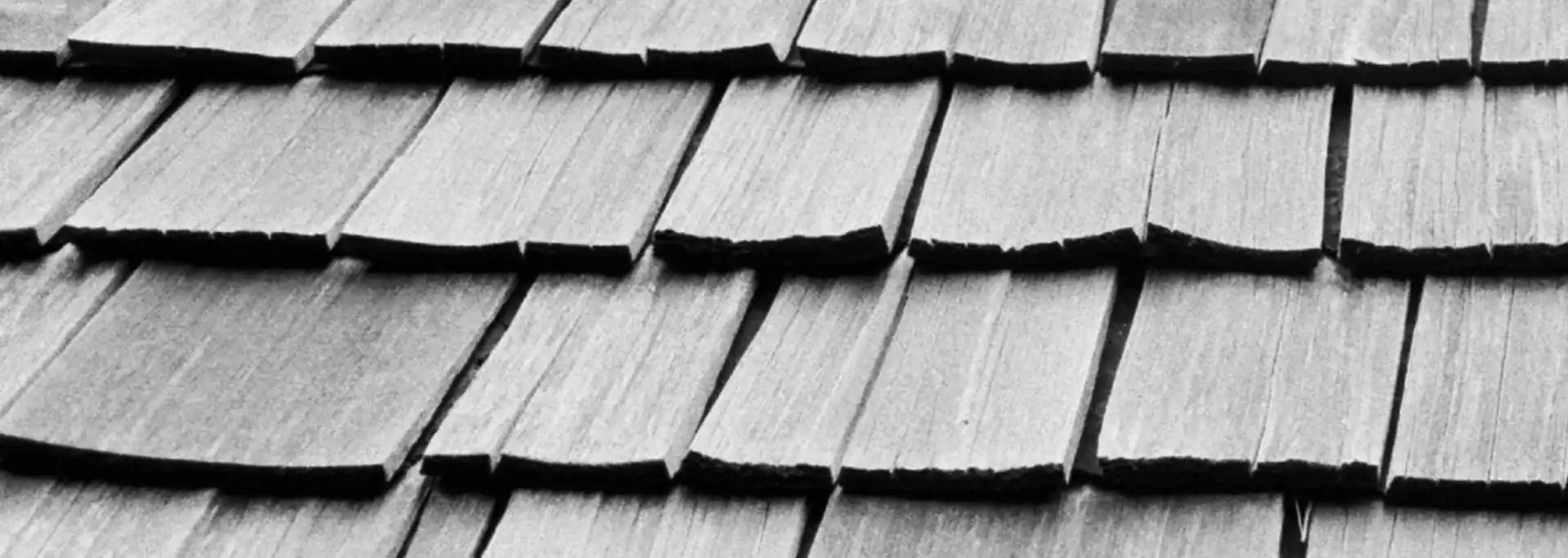
The highest quality synthetic shakes are designed with deep grooves, hand-split texture, natural color variation, and shadow lines that closely resemble real cedar. Some are molded from real cedar shingles or real wood patterns, giving them a more authentic look.
From the street, many synthetic cedar products can look very close to natural cedar shakes. Up close, a trained roofer may be able to tell the difference, but many homeowners are surprised by how realistic today’s synthetic options have become.
You can also choose custom colors, warm tones, weathered finishes, or blends that match your home’s exterior. Whether you want fresh cedar, aged cedar, gray weathered shake, or a richer brown tone, there are plenty of options available.
When Can a Synthetic Shake Replace an Existing Shake Roof?
In many cases, synthetic shake can be a strong replacement option for an existing shake roof. If your current wood shake roof is aging, leaking, curling, or losing pieces, replacing it with synthetic cedar shake may help preserve the original style of your home while improving performance.
Before making that decision, the roof needs a proper inspection. A roofer should check the decking, flashing, ventilation, underlayment, roof slope, and any storm-related damage. If the old roof has allowed moisture into the structure, those issues need to be addressed before the new roof is installed.
A good installation starts below the visible shingles. Even the best roofing materials cannot perform well if the roof deck, ventilation, or flashing details are not handled correctly.
Is Synthetic Shake Roofing Worth the Investment?

For many Moore homeowners, synthetic shake roofing is not just about the first installation cost. It is about choosing a roof that can add long-term value, reduce maintenance concerns, and improve the look of the home.
While it may cost more than basic asphalt shingles, its potential for a longer lifespan, lower maintenance, and premium appearance can make it a smart upgrade. It may also be a good fit if you want the rustic charm of traditional cedar shakes with better resistance to Oklahoma weather.
The best way to know is to compare your options with a roofer who understands both the product and the local climate.
Frequently Asked Questions
Is synthetic shake roofing better than asphalt shingles?
It depends on your priorities. Asphalt shingles are familiar, budget-friendly, and available in many styles. However, if you want the look of a cedar shake roof, synthetic shakes usually offer more texture, thickness, and visual character.
Synthetic shake roofing is often the better choice for homeowners who want a premium wood-shake look with enhanced durability. Asphalt may still be better if budget is the main concern.
How does synthetic shake roofing compare to slate tiles or roof tiles?
Slate tiles, clay roof tiles, and concrete roof tiles can be beautiful and long-lasting, but they may be heavy, expensive, or unsuitable for some roof structures.
Synthetic shake roofing gives homeowners a high-end look without some of the weight concerns of traditional tile or slate. If you want rustic cedar charm, synthetic cedar shake is usually the better fit. If your aesthetic preferences lean toward a slate look, synthetic slate may be worth considering.
Which roofing material is best for my home: synthetic shake, asphalt, slate, or tile?
The best choice depends on your home’s style, roof structure, budget, aesthetic preferences, and long-term goals. Asphalt shingles are practical and cost-effective, while slate and tile may work well for certain homes but can be heavier and more expensive.
Synthetic shake roofing is a strong option if you want the timeless look of cedar shake with lower maintenance and enhanced durability.
Choosing the Right Synthetic Shake Roof for Your Home
A roof should never feel like a one-size-fits-all decision. Your home’s style, slope, neighborhood, budget, color palette, and performance needs all matter.
Some homes look best with thick hand-split profiles. Others need a cleaner synthetic shingle style that feels more refined. Some homeowners want bold color variation, while others prefer a more even, natural cedar tone.
Before choosing synthetic cedar, look at samples in natural light. Ask about fire rating, impact resistance, wind rating, warranty coverage, installation requirements, and maintenance expectations. It is also wise to compare synthetic shake with asphalt shingles, architectural shingle options, slate tiles, roof tiles, and other materials before making a final decision.
A roof is too important to rush. The right product should protect your home and fit the way you want it to look for years to come.
Maupin Roofing Can Help You Find the Right Fit
If you own a home in Moore and are considering synthetic shake roofing, Maupin Roofing can help you choose a roof that fits your home, your budget, and your long-term plans. Our team understands how Oklahoma weather affects local roofs, and we can walk you through material choices, color options, product ratings, installation needs, and maintenance expectations.
Whether you are replacing an existing shake roof or upgrading from asphalt shingles, we will help you compare your options clearly. Your roof should protect your home, improve curb appeal, and stand up to the conditions Oklahoma can bring.
Contact Maupin Roofing today 405-703-3843for a free quote. We’ve got you covered, Oklahoma.